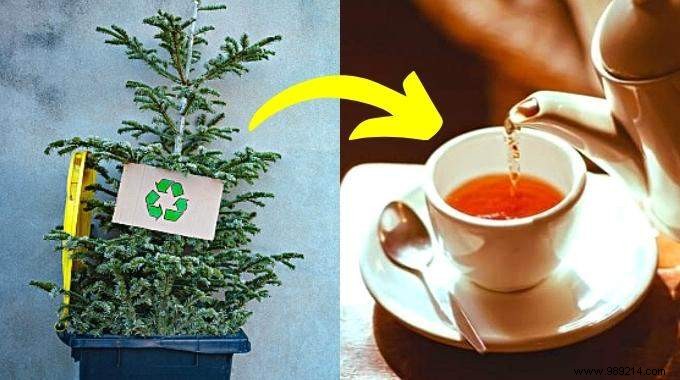
Christmas celebrations are over, but what to do with your old fir tree? Once the star of your holiday gatherings, it's now dry and shedding needles.
Don't toss it in the trash. As green waste, your cut Christmas tree deserves a second life. My local nurseryman shared these proven methods with me—they're practical, eco-friendly, and incredibly simple.
Here are 10 expert tips for recycling your Christmas tree. Watch how easy it can be:
Important: It's illegal to abandon trees on public roads—fines apply. Use these responsible recycling options instead.
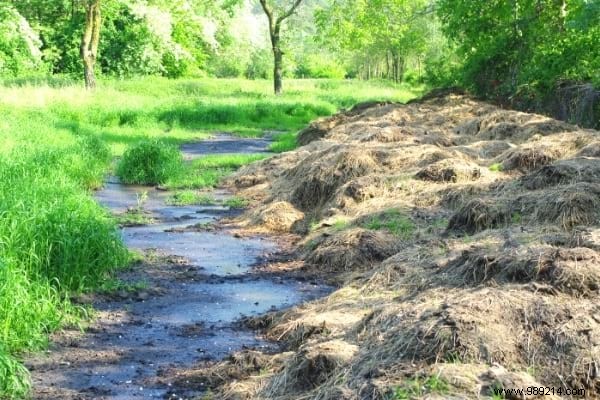
If you have a garden compost bin, this is the simplest option. Cut the tree into small sections, bag them, and add to your heap. Smaller pieces decompose faster.
Caution: Pine is acidic, so it may alter your compost's pH. Add gradually over time, especially for larger trees, to maintain balance.
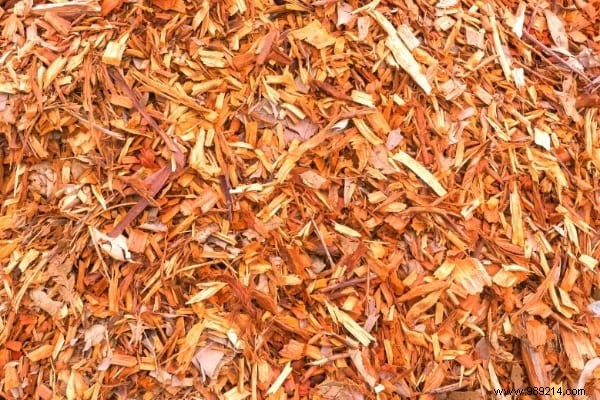
Use a garden shredder to turn branches into mulch. Fir's acidity suits plants like heather, hydrangeas, and rhododendrons.
It suppresses weeds, deters slugs and snails—especially around vegetable seedlings—and protects plants from cold when spread as a layer.
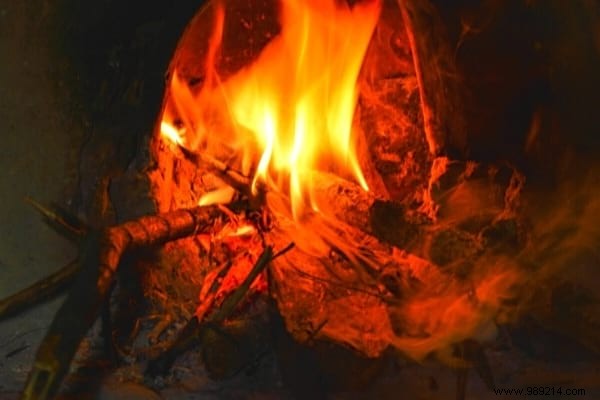
Though not the hottest-burning wood, fir works well in fireplaces or wood stoves. Cut large branches, remove needles for kindling, and dry the wood in a sheltered spot.
Allow at least 4 months to season before burning for safe, efficient use.
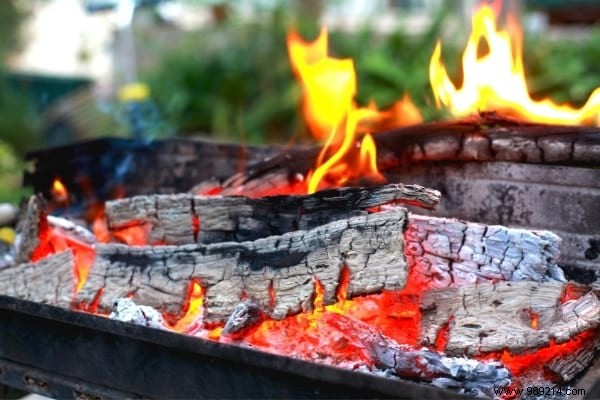
No time to wait? Use dry branches for summer barbecues—they ignite quickly. For smokers, pine adds a fragrant flavor to meats and fish.
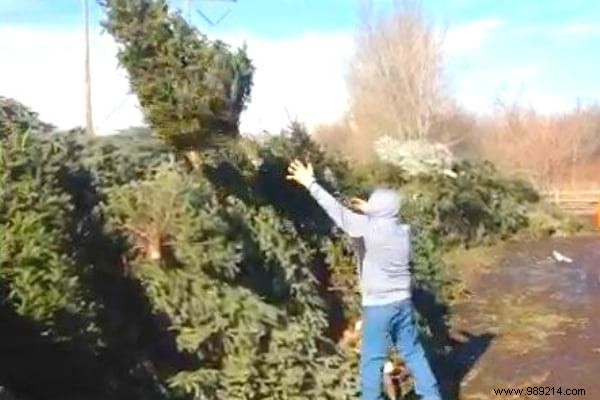
Take it to your local dump's green waste area. Trees are shredded into mulch or ground cover to prevent weeds and shield plants from winter frost.

Many areas offer mid-January pickups. In my town, a horse-drawn cart collects curbside trees, donating them to goat farms (goats love them) or farmers for mud control.
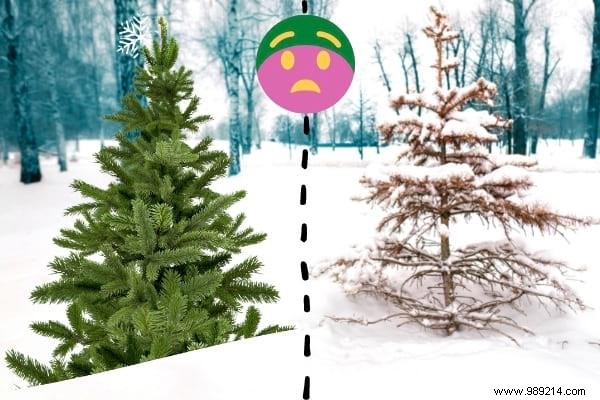
Some centers, like Botanic, give vouchers for returned trees—great for urban dwellers far from dumps. Supports local, French-grown trees too.
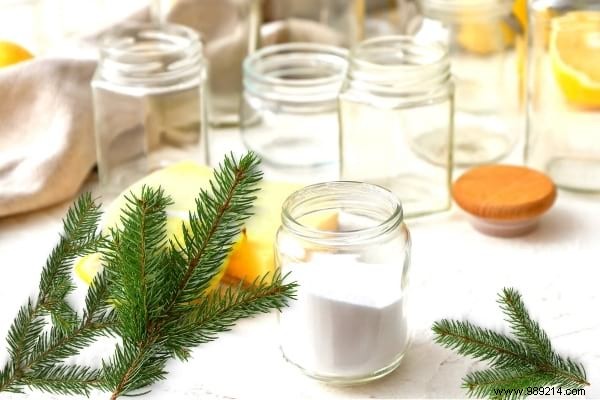
Spruce is highly fragrant (Nordmann less so). Collect fresh branch tips and steep in white vinegar, detergents, or soaps for natural scents.
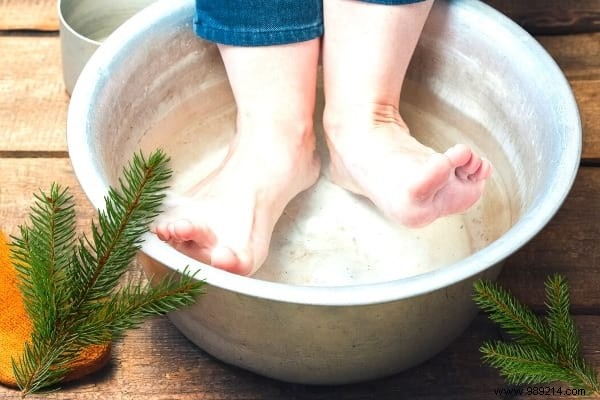
After a long day, boil 100g needles in 3 liters water for 10 minutes, cool, and soak feet for 15+ minutes. Antibacterial and odor-fighting relief.
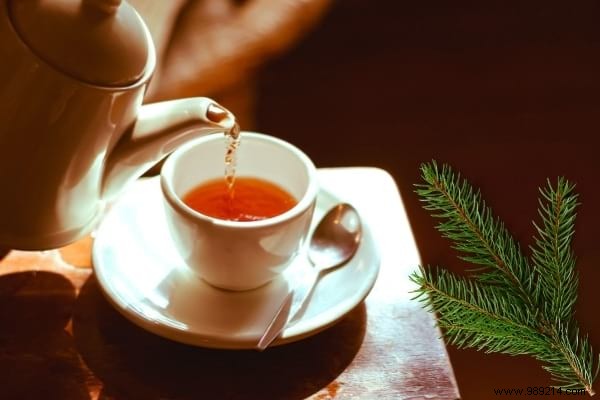
For organic or Label Rouge trees only—avoid chemically treated ones. Infuse 5-6 young shoots in boiling water for 10 minutes. Add lemon and honey for an antibacterial, expectorant drink.
