Family Encyclopedia >> Family

32 Mind-Bending Optical Illusions: Scientifically Explained

32 Mind-Bending Optical Illusions: Scientifically Explained

Optical illusions captivate because they expose the fascinating quirks of human vision. As someone who's studied visual perception for years, I've curated 32 of the most striking examples here.

From static grids that seem to dance, to impossible structures and colors that defy logic, these illusions reveal how our brain processes sight.

It's not your eyes failing—it's your brain filling in the gaps. Ready to test your perception? Dive into 32 incredible optical illusions, each with a detailed explanation.
32 Mind-Bending Optical Illusions: Scientifically Explained Contents
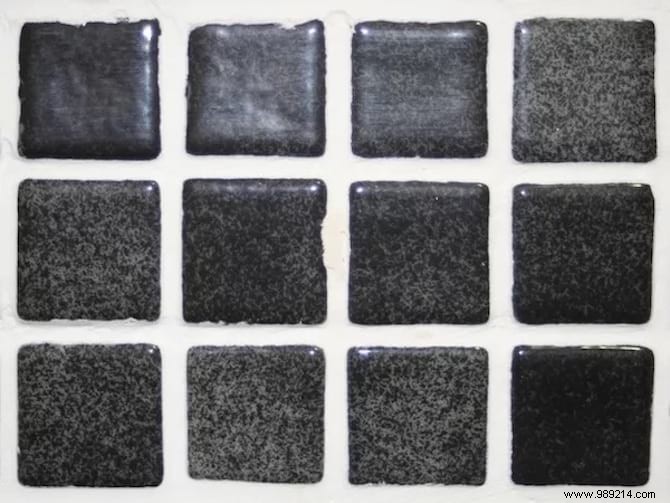
  • 1. See the black dots between the squares?
  • 2. This dancer is spinning in circles, but which way?
  • 3. These two people are exactly the same size
  • 4. Which line is the longest?
  • 5. And here? Which line is shorter: the top one or the bottom one?
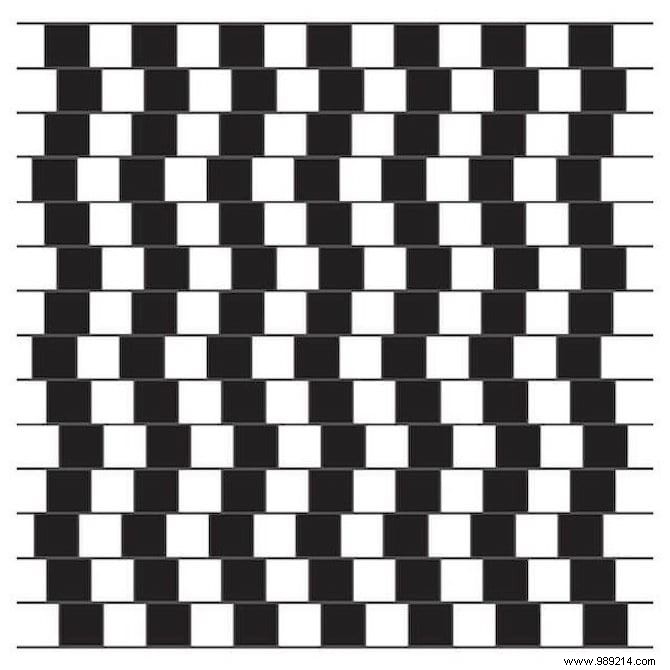
  • 6. Are these lines parallel?
  • 7. Count the number of black dots…
  • 8. These flowers turn in the same direction?
  • 9. And those circles? Do you see them moving?
  • 10. It makes you dizzy... and it's not a GIF!
  • 11. Do you see the ball moving? Yet it's just an image!
  • 12. Don't you think these dots are moving like a wave?
  • 13. Looks like a psychedelic color swirl
  • 14. Does the white dot point inward or outward?
  • 15. Which of these windows is the largest?
  • 16. Which orange dot is the biggest?
  • 17. Do you see squares or diamonds?
  • 18. Do you also see curved lines?
  • 19. Do the lines of this arch meet in the middle?
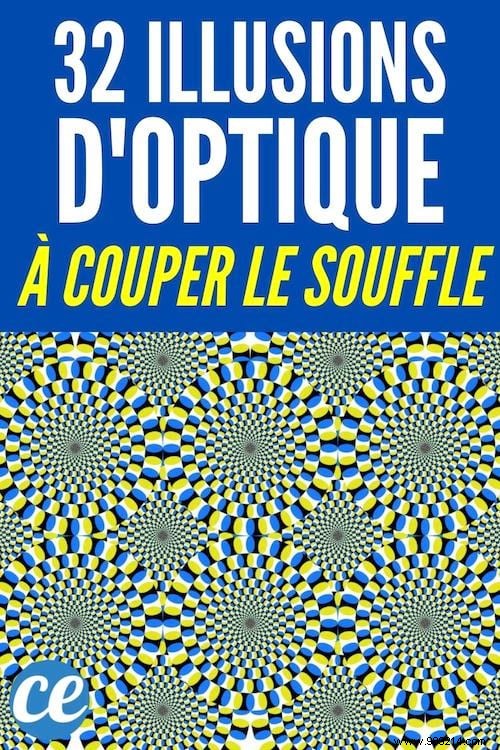
  • 20. How many different colors in this image?
  • 21. Which of the squares is darker: A or B?
  • 22. Which of these pears is darker: the one on the left or the one on the right?
  • 23. Have you spotted the animal hiding in this image?
  • 24. A death skull hides in this painting. Do you see it?
  • 25. Are all these balls the same color?
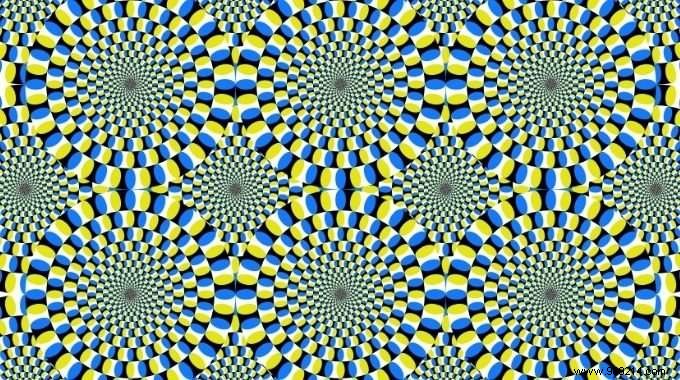
  • 26. Do you also see several spinning circles?
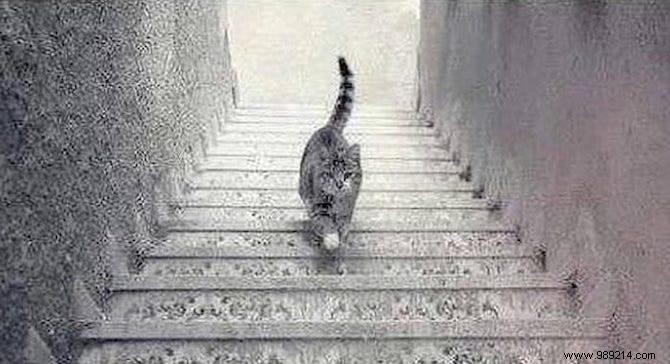
  • 27. Is this cat going up or down the stairs?
  • 28. Do you see a hollow in the ground? Yet it is flat
  • 29. What a beautiful spiral, don't you think?
  • 30. How many legs does this elephant have?
  • 31. This object is literally impossible to see
  • 32. Do you see the image moving? Again, it is fixed

1. See the black dots between the squares?

32 Mind-Bending Optical Illusions: Scientifically Explained

Sometimes, our eyes conjure objects that aren't there. Hermann's Grid is a classic demonstration: gray dots appear at intersections, but they vanish when you focus directly due to lateral inhibition in retinal cells.

2. This dancer turns in circles, but in which direction?

This viral illusion drives debate: some see clockwise rotation, others counterclockwise. With practice, many can switch directions. It hinges on whether your brain interprets the ambiguous figure as facing left or right.
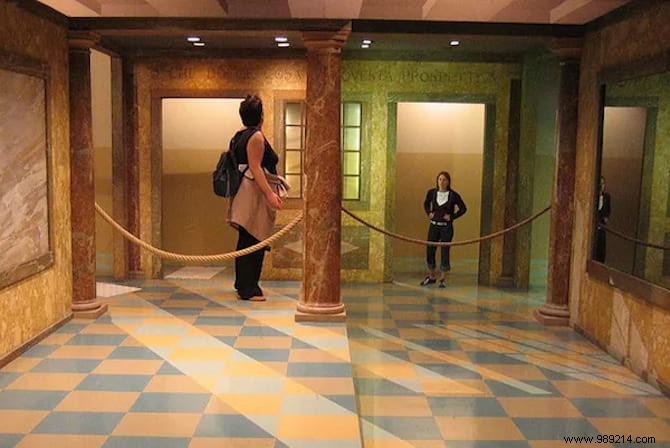
3. These two people are exactly the same size

32 Mind-Bending Optical Illusions: Scientifically Explained

The trapezoidal room creates depth distortion. From a specific viewpoint, it mimics a normal cube, making equal-height people appear vastly different in size—a technique famously used in The Lord of the Rings.

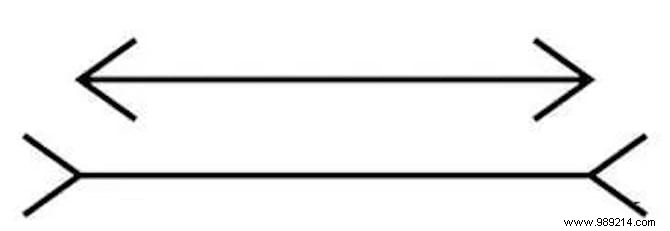
4. Which line is the longest?

Both yellow lines are identical in length, yet the top one appears longer. This is the Müller-Lyer illusion, where arrowhead angles trick depth perception.
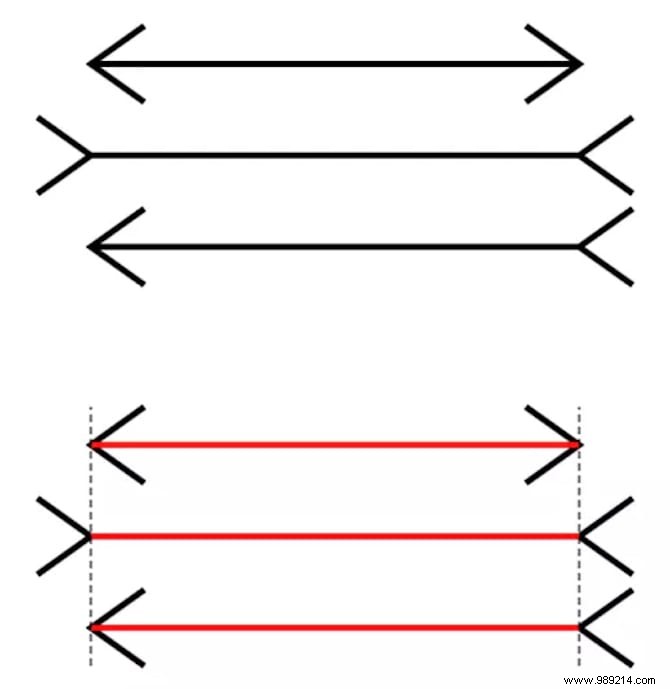
5. And here? Which line is shorter: the top one or the bottom one?

32 Mind-Bending Optical Illusions: Scientifically Explained

They're the same length—a hallmark of the Müller-Lyer illusion. Skeptical? Check the proof:
32 Mind-Bending Optical Illusions: Scientifically Explained

6. Are these lines parallel?

32 Mind-Bending Optical Illusions: Scientifically Explained

The lines seem slanted, but every black-and-white square is perfectly square, making all lines parallel. Cover surrounding areas with paper to reveal straight edges.
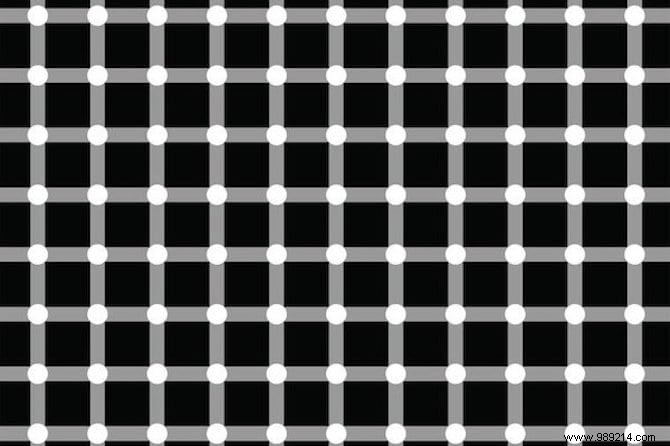
7. Count the number of black dots…

32 Mind-Bending Optical Illusions: Scientifically Explained

Your brain anticipates black dots in white circles, but focus on one and it disappears—a result of neural competition in the visual cortex.
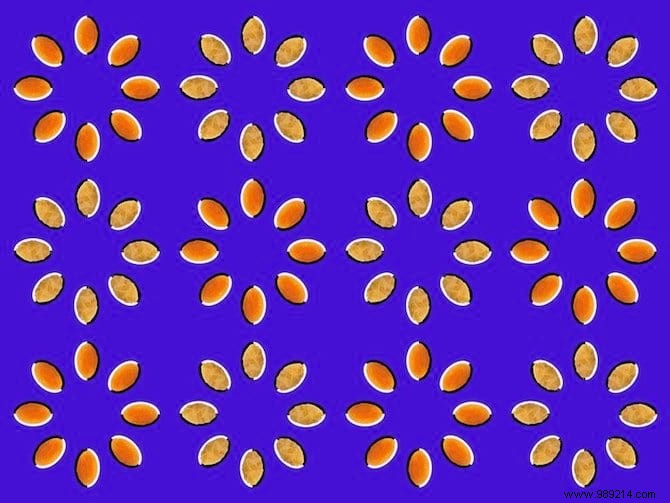
8. These flowers turn in the same direction?

32 Mind-Bending Optical Illusions: Scientifically Explained

They appear to rotate, but the image is static. Peripheral motion detection creates the false sense of movement.
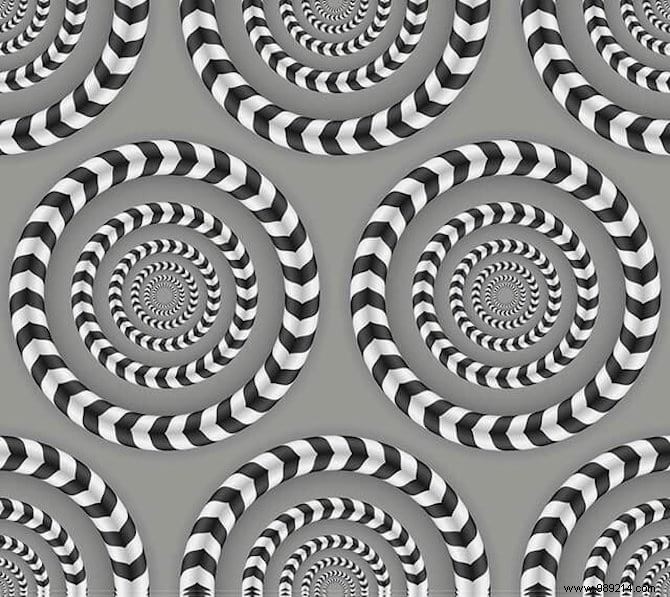
9. And those circles? Do you see them moving?

32 Mind-Bending Optical Illusions: Scientifically Explained

Shift your gaze, and surrounding circles follow. This peripheral illusion exploits eye movement sensitivity.
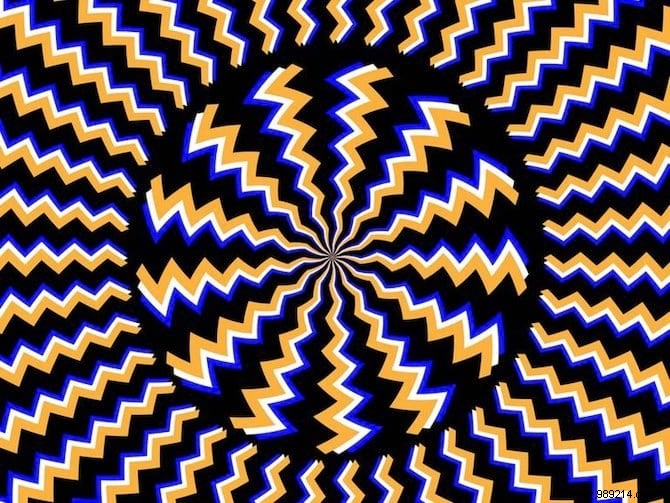
10. It makes you dizzy... and it's not a GIF!

32 Mind-Bending Optical Illusions: Scientifically Explained

The background seems to swirl around the center, but it's completely static—pure motion aftereffect.
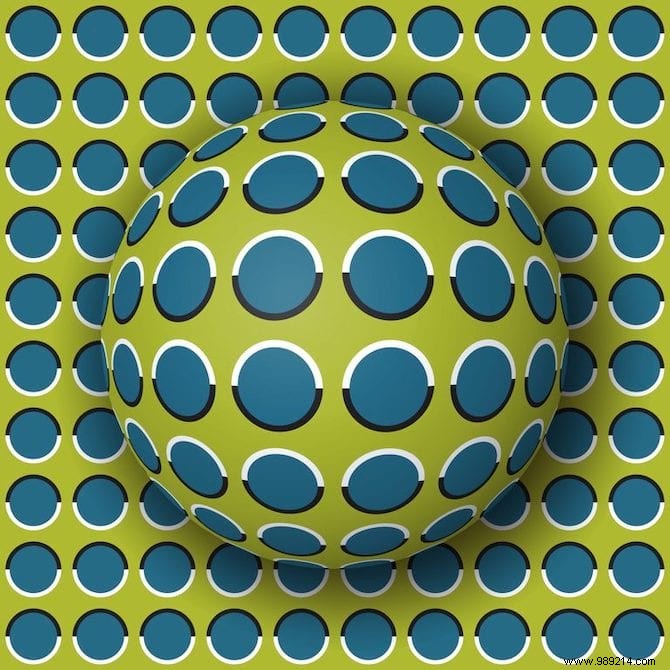
11. Do you see the ball moving? Yet it's just an image!

32 Mind-Bending Optical Illusions: Scientifically Explained

The texture beneath suggests downward motion, mimicking a slow treadmill. Fixed image, dynamic brain fill-in.
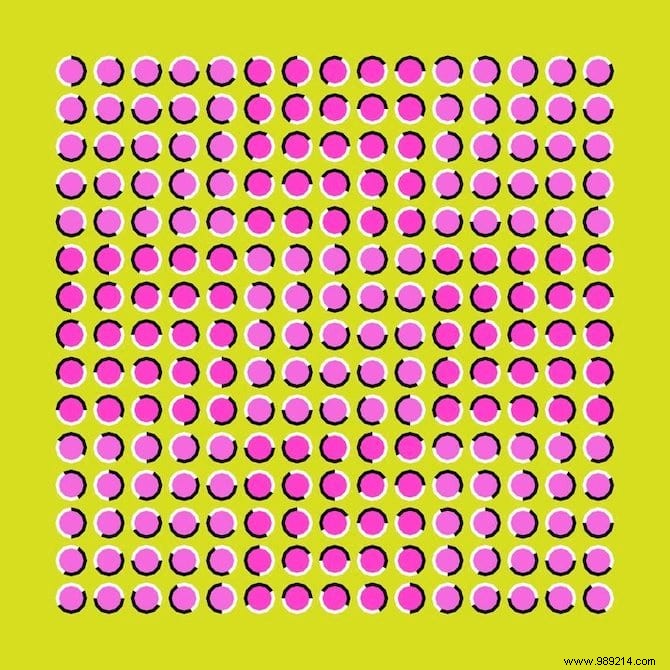
12. Don't you think these dots are moving like a wave?

32 Mind-Bending Optical Illusions: Scientifically Explained

Static circles form illusory waves, amplified by slight image movement. Brain seeks patterns in noise.
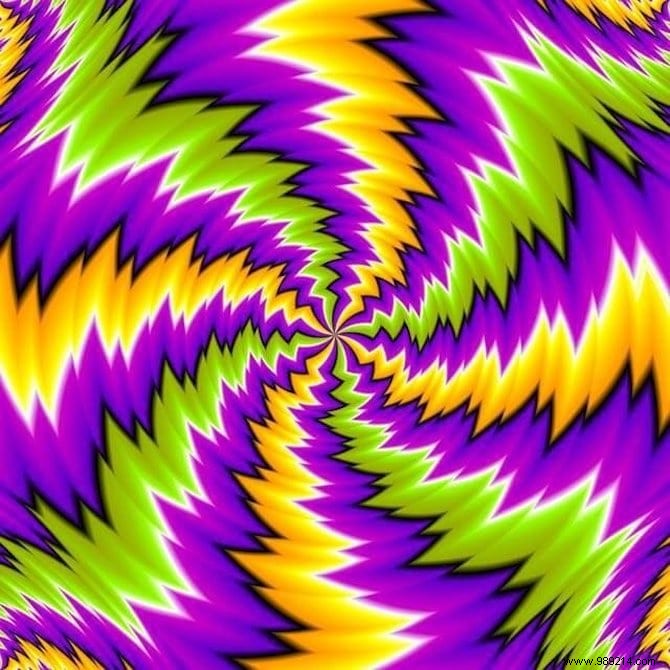
13. Looks like a psychedelic color swirl

32 Mind-Bending Optical Illusions: Scientifically Explained

Static yet swirling—color contrast and contrast edges fool motion detectors.
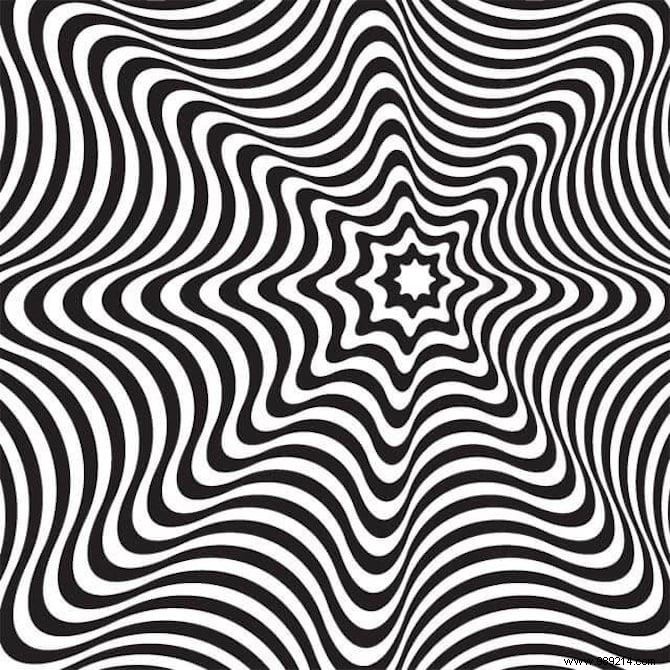
14. Does the white dot point inward or outward?

32 Mind-Bending Optical Illusions: Scientifically Explained

Ambiguous orientation defies easy judgment, showcasing figure-ground reversal.
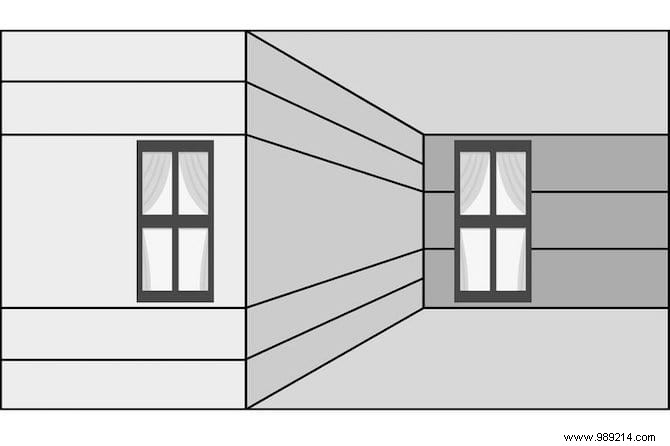
15. Which of these windows is the largest?

32 Mind-Bending Optical Illusions: Scientifically Explained

All identical, with aligned tops and bottoms. Contextual cues distort size perception.
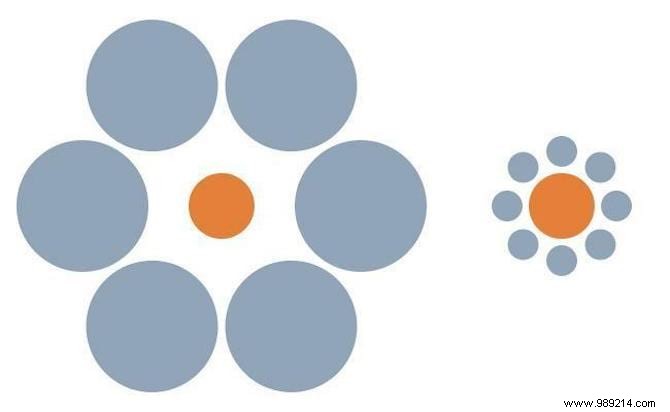
16. Which orange dot is the biggest?

32 Mind-Bending Optical Illusions: Scientifically Explained

Both oranges match; the Ebbinghaus illusion uses surrounding circles to skew relative size judgment.
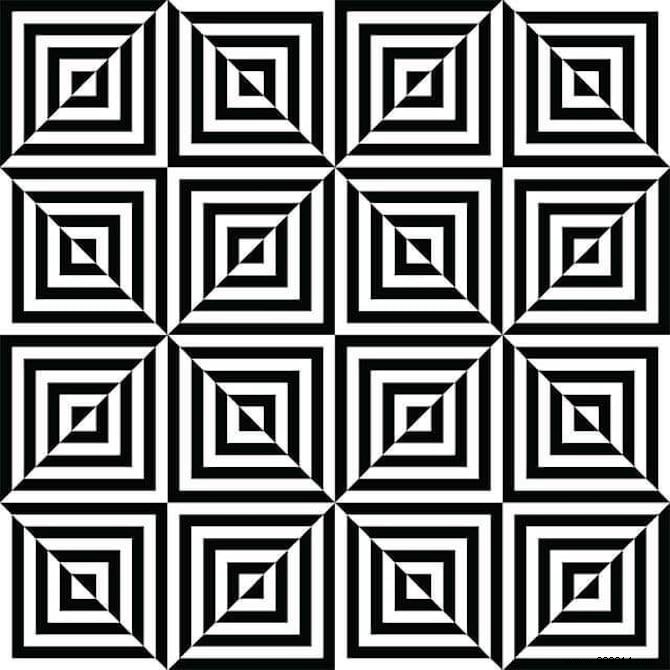
17. Do you see squares or diamonds?

32 Mind-Bending Optical Illusions: Scientifically Explained

Diamonds emerge from aligned edges, despite no continuous boundaries—Gestalt grouping at work.
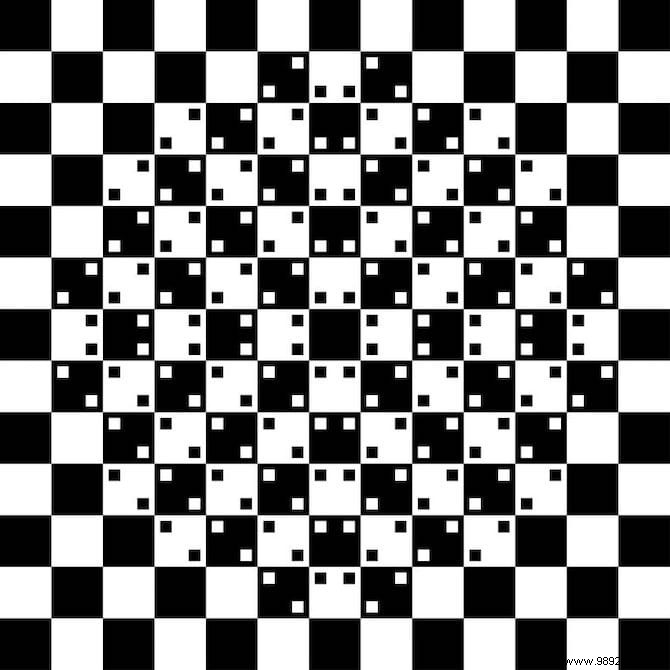
18. Do you also see curved lines?

32 Mind-Bending Optical Illusions: Scientifically Explained

All lines are straight; internal motifs warp perception via contrast.
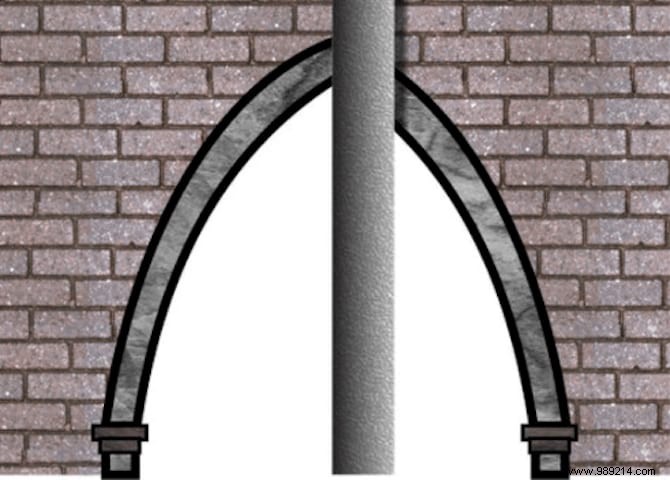
19. Do the lines of this arch meet in the middle?

32 Mind-Bending Optical Illusions: Scientifically Explained

Yes, despite the offset column—the brain assumes symmetry and misaligns.
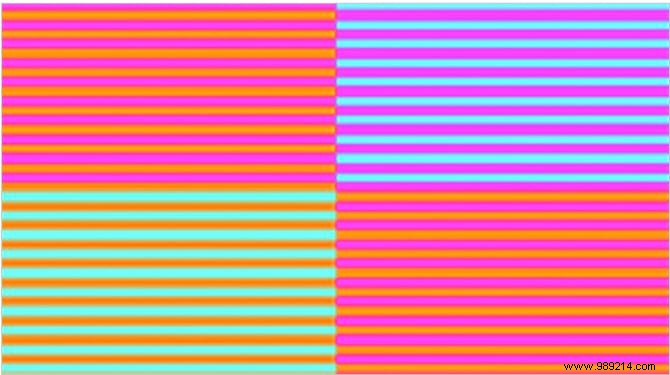
20. How many different colors in this image?

32 Mind-Bending Optical Illusions: Scientifically Explained

Only three: the 'blue' and 'green' are identical. Adjacency alters hue perception.
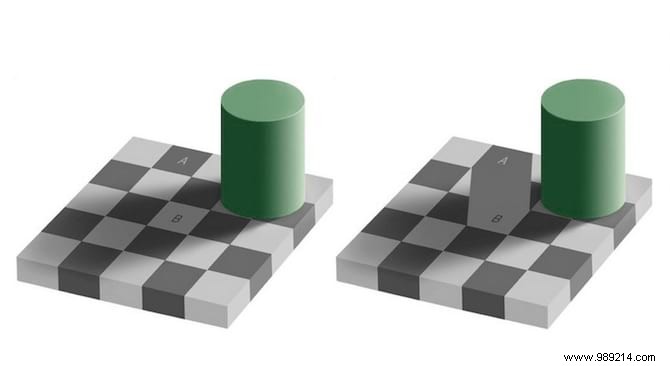
21. Which of the squares is darker: A or B?

32 Mind-Bending Optical Illusions: Scientifically Explained

Same shade; the cylinder's shadow contextualizes B as lighter. A renowned Adelson illusion.
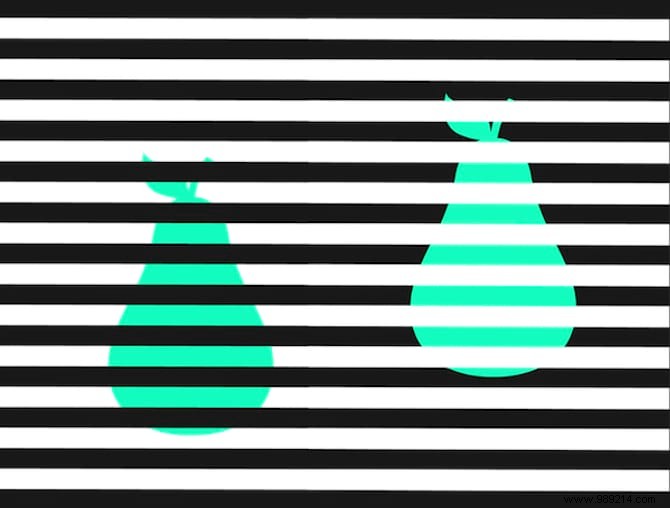
22. Which of these pears is darker: the one on the left or the one on the right?

32 Mind-Bending Optical Illusions: Scientifically Explained

Identical tones; lighting gradients mislead lightness constancy.
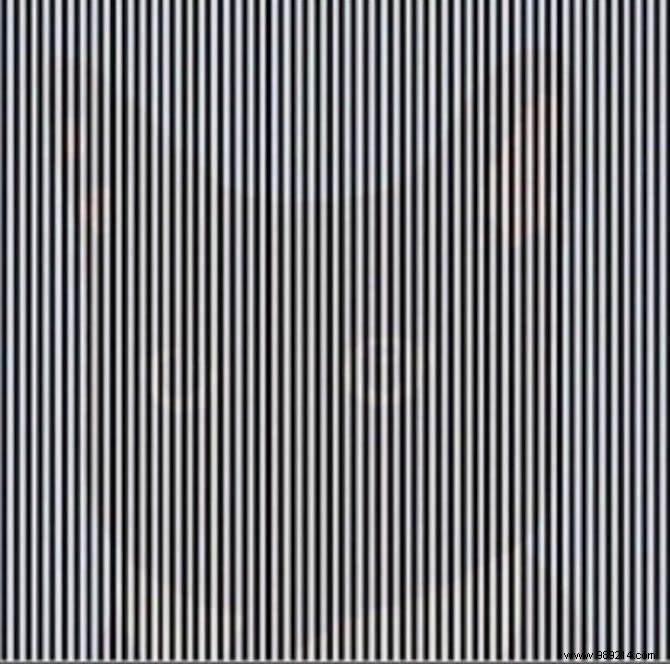
23. Have you spotted the animal hiding in this image?

32 Mind-Bending Optical Illusions: Scientifically Explained

Shake your head side-to-side; an animal emerges from the bistable image.

24. A death skull hides in this painting. Do you see it?

32 Mind-Bending Optical Illusions: Scientifically Explained

16th-century anamorphosis: the foreground 'cuttlebone' skew-viewed reveals a skull—a trompe-l'œil masterpiece.
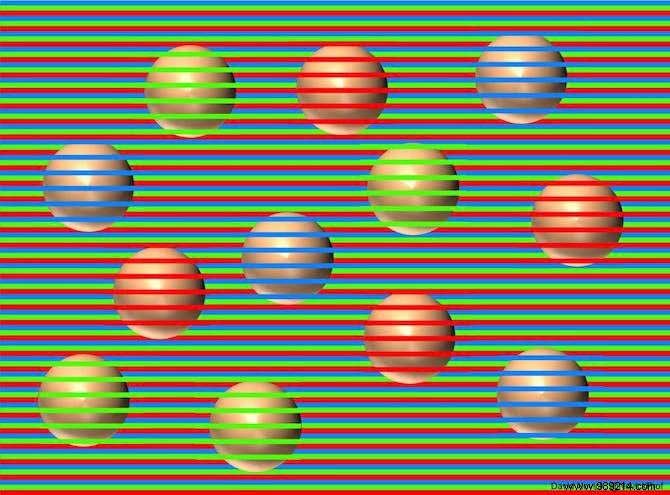
25. Are all these balls the same color?

32 Mind-Bending Optical Illusions: Scientifically Explained

Yes, uniform hue; Munker-White stripes assimilate surrounding colors.
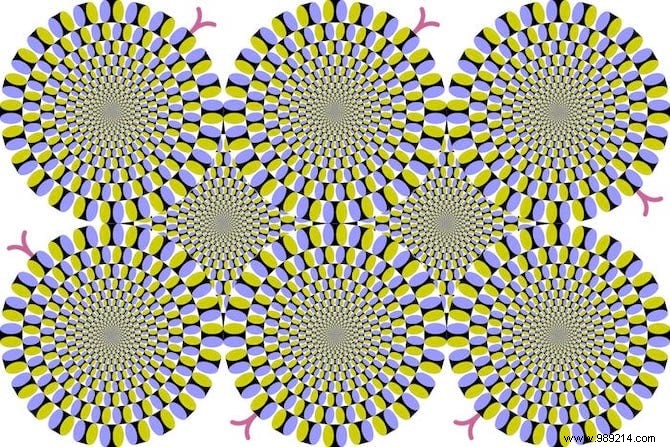
26. Do you also see several rotating circles?

32 Mind-Bending Optical Illusions: Scientifically Explained

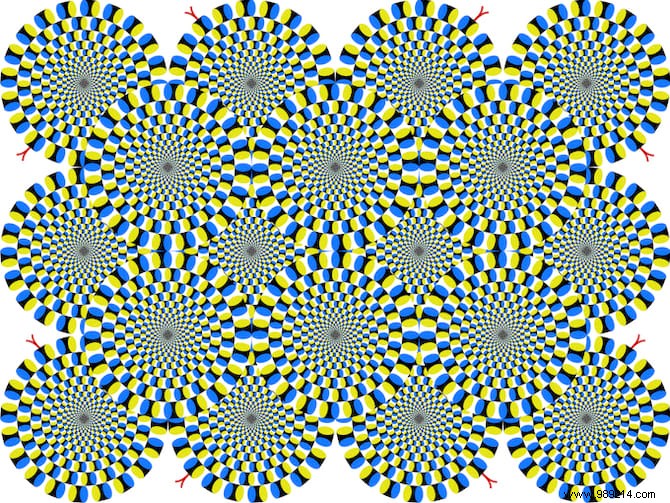
Static, like Kitaoka's 'Rotating Snakes.' Fixate centrally to halt peripheral motion.
32 Mind-Bending Optical Illusions: Scientifically Explained

27. Is this cat going up or down the stairs?

32 Mind-Bending Optical Illusions: Scientifically Explained

Bistable image: ambiguous shading flips direction based on interpretation.
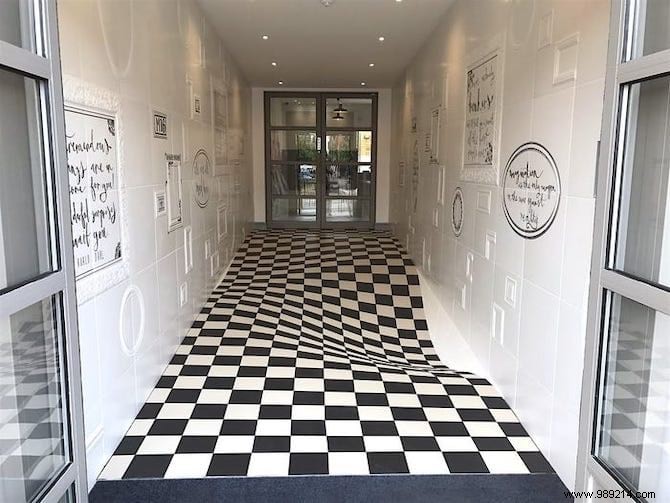
28. Do you see a hollow in the ground? Yet it is flat

32 Mind-Bending Optical Illusions: Scientifically Explained

Engineered tiles create a drop illusion from one end; reverse view flattens it.
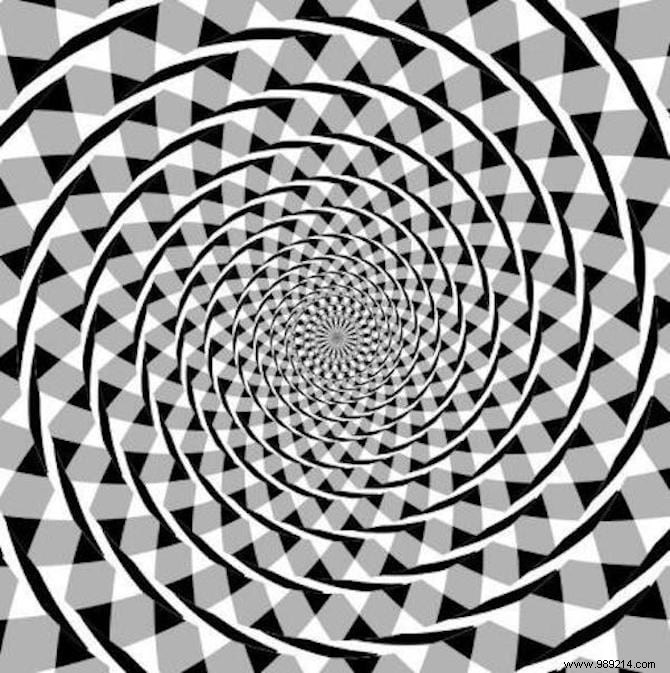
29. What a beautiful spiral, don't you think?

32 Mind-Bending Optical Illusions: Scientifically Explained

Not a spiral—concentric circles. Trace with your finger to confirm the Fraser illusion.

30. How many legs does this elephant have?

32 Mind-Bending Optical Illusions: Scientifically Explained

Four; Shepard's gaps mislead limb counting. Cover feet for clarity.
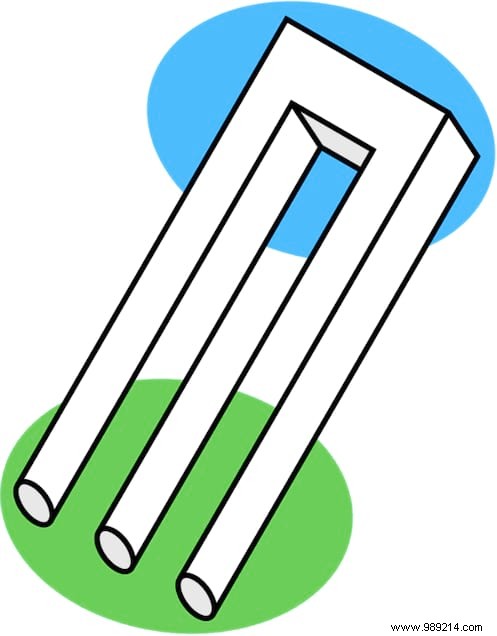
31. This object is literally impossible to see

32 Mind-Bending Optical Illusions: Scientifically Explained

The impossible trident: prongs mismatch, creating 3D paradox from 2D cues.
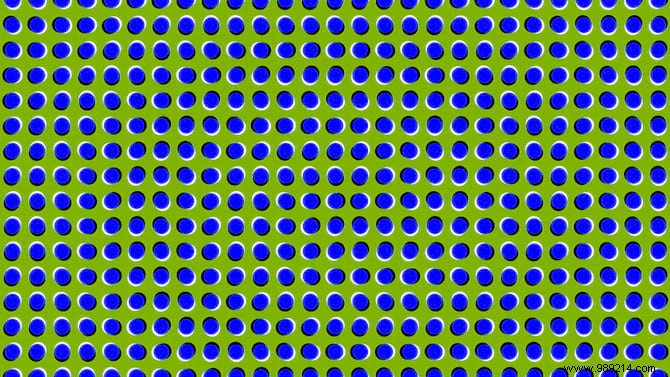
32. Do you see the image moving? Again, it is fixed

32 Mind-Bending Optical Illusions: Scientifically Explained

Static; fixate one spot to stop illusory motion elsewhere.