
Discover 8 beloved traditions familiar to many in France. Their fascinating origin? They all began as strategic marketing campaigns.
From Valentine's Day to modern Christmas imagery, several customs we hold dear trace back to clever advertising efforts.
Explore these 8 traditions celebrated in France that advertising popularized and shaped.
 Contents
The image of Santa Claus as a jolly, red-and-white-clad gift-giver has deep roots. However, the modern, robust figure with a white beard and fur-trimmed red suit was largely popularized by Coca-Cola through artist Haddon Sundblom's iconic 1931 campaign.
While red-and-white depictions existed earlier, pre-1931 Santa often appeared slender, with a giant hat on a donkey, or in a blue snowsuit with stars. Sundblom's vision endures today.
To discover: Take the Christmas Challenge: No More Than 4 Gifts Per Child.
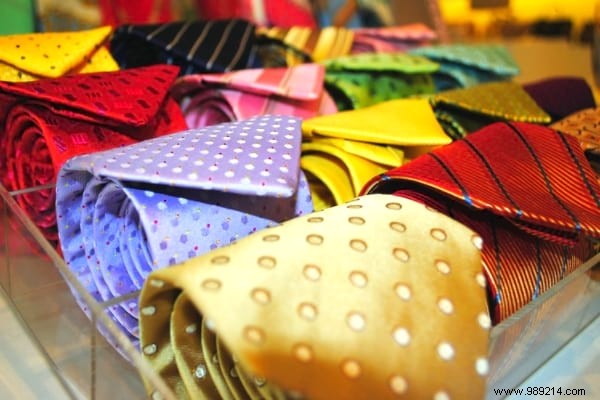
Father's Day gained traction thanks to tie retailers. Sonora Dodd, raised by her single father, proposed the holiday in 1910 to honor dads like Mother's Day did for moms.
Initially dismissed as a gimmick, it nearly faded until the 1936 Father's Day Committee—funded by men's clothing sellers—promoted it relentlessly, pushing ties as the ideal gift. This effort cemented it as a national observance.
To discover: A DIY Father's Day Gift Idea.

Valentine's Day predates modern commerce; card exchanges date to the 15th century, as seen in Shakespeare's Hamlet, where Ophelia calls herself Hamlet's Valentine.
Greeting card companies and gift makers didn't invent it but amplified it into today's commercial powerhouse through targeted promotions.
To discover: 15 Simple and Inexpensive Ideas for Valentine's Day.
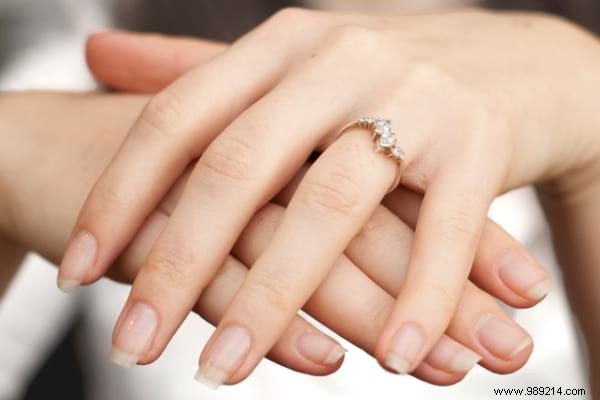
Engagement rings symbolize love across millennia. But the diamond solitaire tradition? That's from De Beers' 1947 campaign, with the legendary slogan "A diamond is forever," transforming diamonds into a must-have.
To discover: A Jeweller's Trick To Removing A Stuck Ring With A Thread.

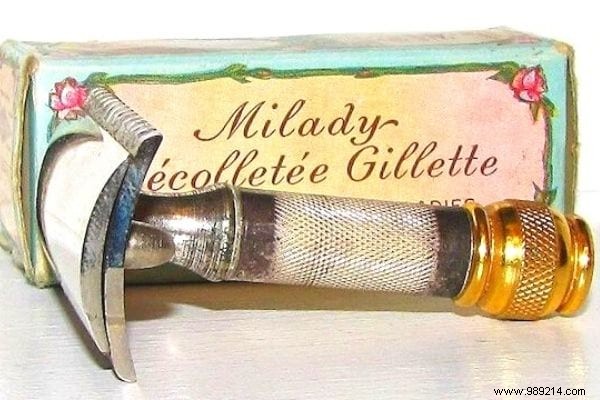
Ancient Egyptian women shaved underarms, but Western norms shifted in 1915 with sleeveless dresses. Ads for depilatory creams urged removal of "unsightly hair," followed by Gillette's Milady Décolletée razor: "For women who care about appearance, keeping armpits white and smooth."
To discover: The EASY Homemade Shaving Foam Recipe.

Pre-1920s, long skirts hid legs. As hemlines rose, razor and cream ads targeted leg hair. By the 1950s, smooth legs became standard—a blend of fashion evolution and marketing influence.
To discover: 6 Little Tips to Use Before and After Waxing Legs.

Originating in Peru and reaching Europe in the 16th century, potatoes faced suspicion as "devil's apples" unfit for humans and were banned in parts of France.
1770s famines highlighted their value. Louis XIV promoted them by wearing potato flowers, but nutritionist Antoine Parmentier (namesake of hachis Parmentier) truly popularized them through advocacy.
To discover: 4 Simple Steps To Grow 45 kg Potatoes in a Barrel!

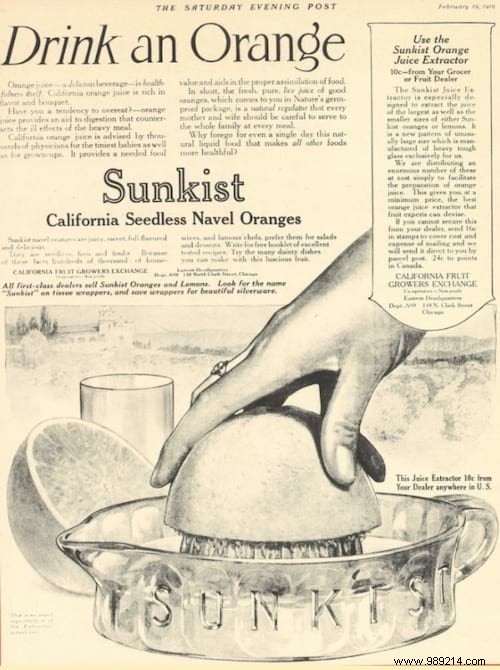
The morning orange juice ritual stems from early 20th-century marketing. Publicist Albert Lasker, for Sunkist, promoted juicing over eating oranges—requiring 2-3 per glass. His "Drink Your Orange" campaign, with a new hand juicer, made it a breakfast staple.
To discover: 10 Brilliant Uses For Orange Peel.
