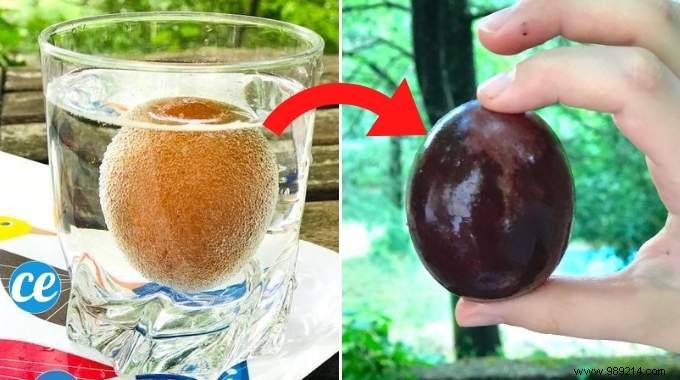
Struggling to keep your kids entertained? Try this inexpensive, hands-on science experiment that never fails to wow them.
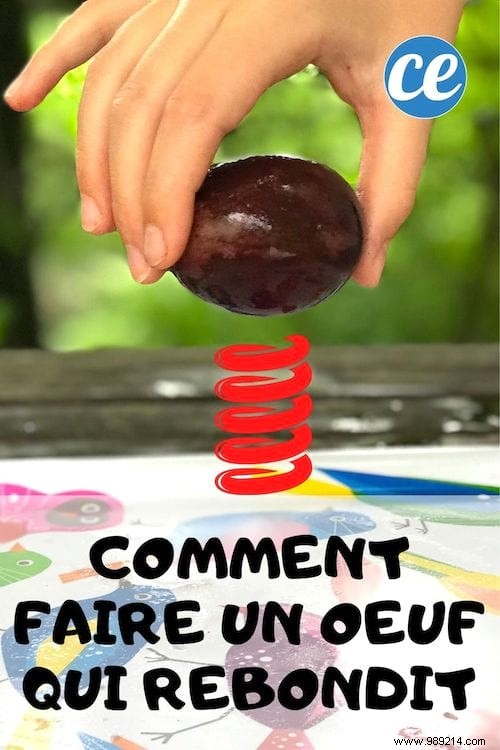
A fellow parent shared this gem with me, and it's become a family favorite: transforming a raw egg into a bouncy ball—without breaking it!
It's simple, safe, and endlessly fascinating for budding young scientists. Here's how it works:
- White vinegar
- 1 raw egg
- 1 glass
- 1 flashlight
1. Place the egg in a glass.
2. Pour white vinegar into the glass to fully cover the egg.
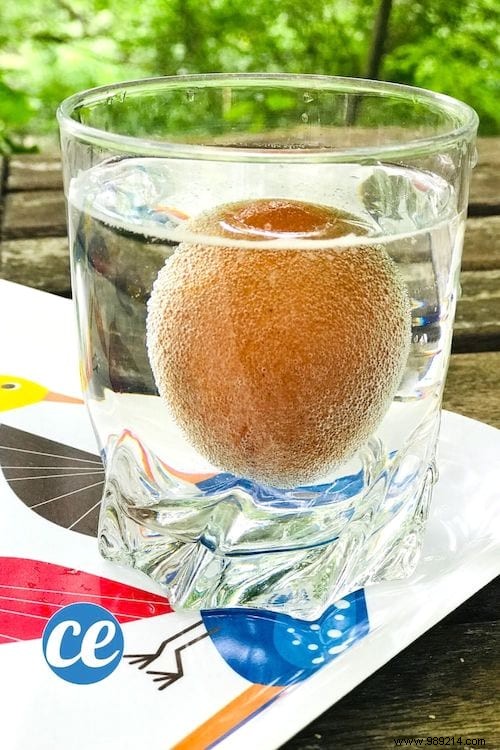
3. Let it sit for two days.
4. Gently remove the egg and rinse it under cool water.
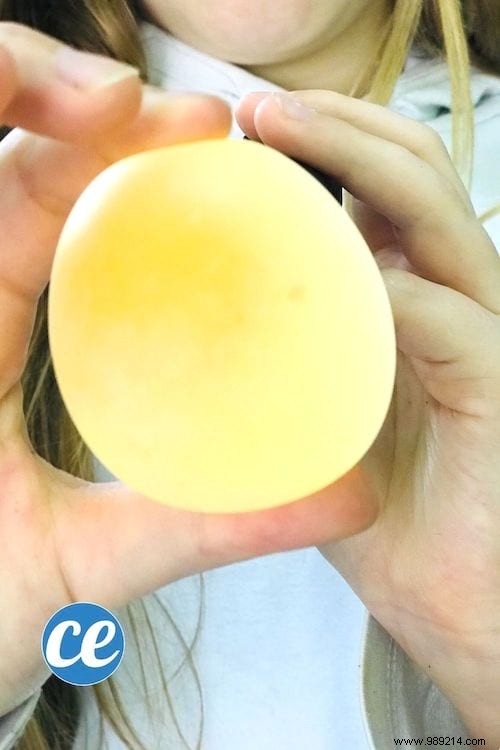
5. Hold the egg in front of a flashlight.
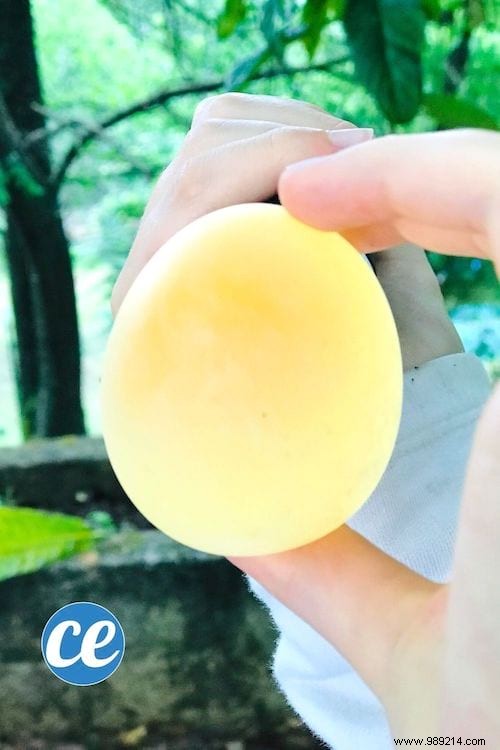
6. Shine the light through it—you'll see the yolk moving inside like magic!
7. Gently squeeze the egg; it's now soft and flexible.
8. Drop it on a flat surface and watch it bounce without breaking!
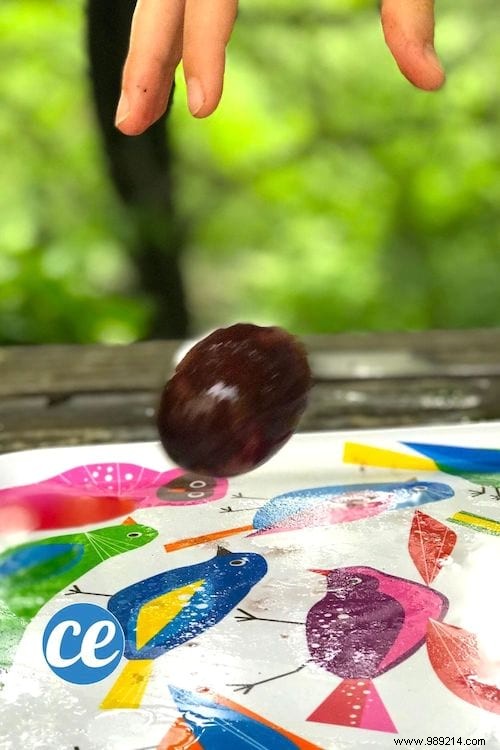
Success! You've just turned a raw egg into a bouncy ball. Quick, easy, and utterly mesmerizing.
Perfect for kindergarten or elementary-aged kids—this at-home experiment sparks curiosity and joy.
The egg's protective membrane keeps everything intact, allowing it to bounce safely.
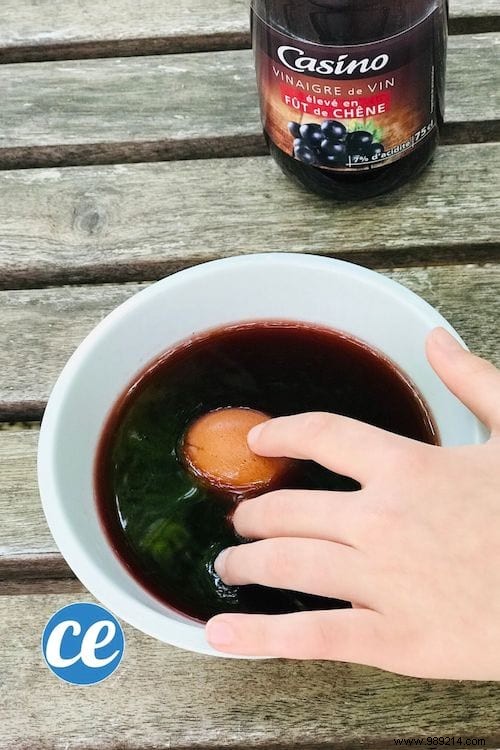
Swap white vinegar for red wine vinegar to dye the egg a fun red color—great for visual appeal, though it obscures the translucent view inside.
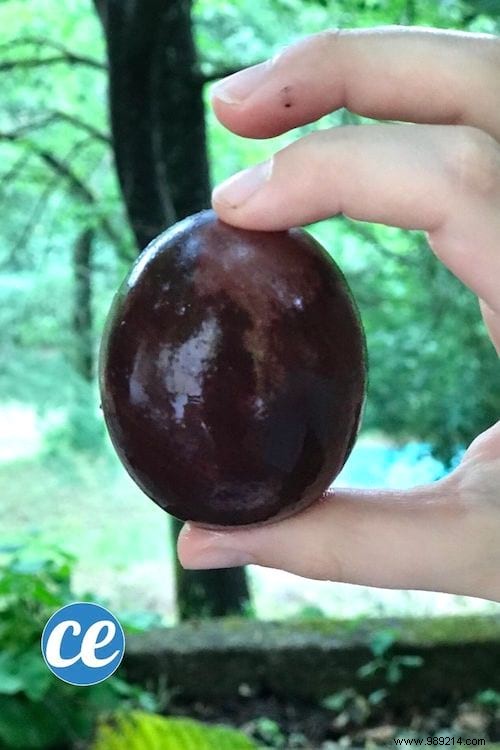
The vinegar reacts with the calcium carbonate in the eggshell, producing carbon dioxide bubbles that dissolve it away.
What's left is a soft, translucent egg wrapped in its natural membrane.
My daughter was thrilled watching the transformation daily. The surprise of its new squishy texture—and bouncy ability—made it unforgettable. As a parent who's tested countless kid experiments, this one's a proven winner for hands-on learning.
