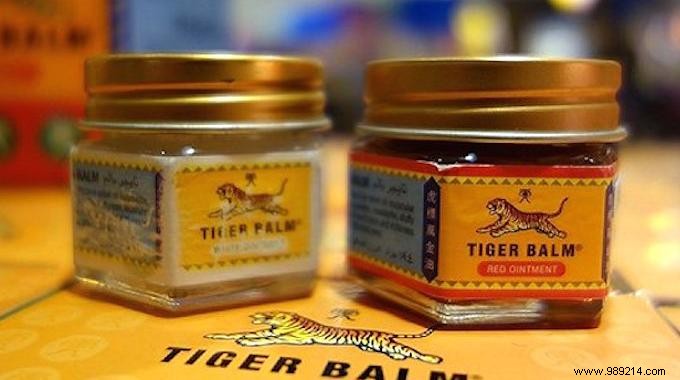
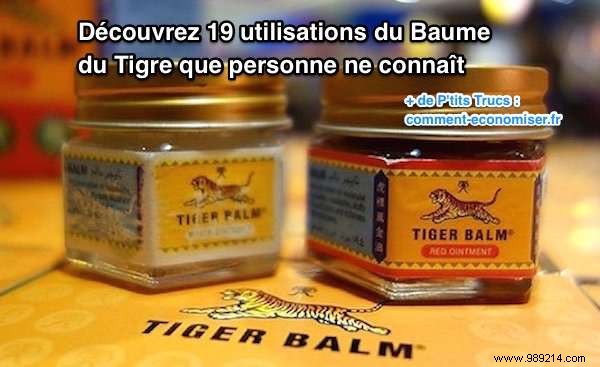
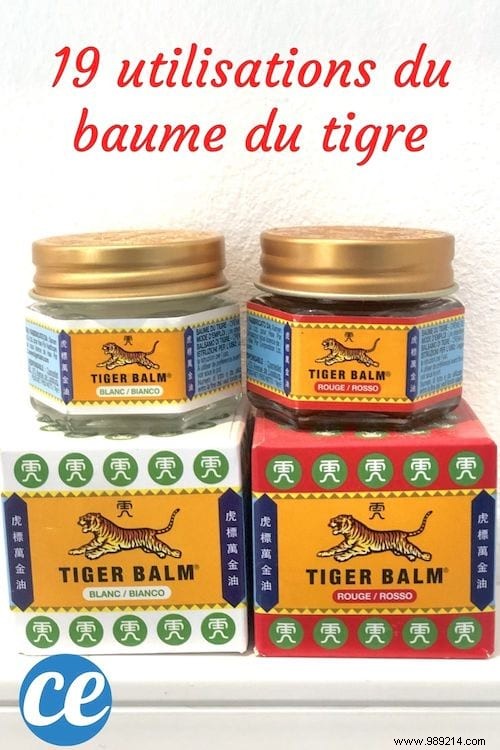
While many today view red or white Tiger Balm as a quaint grandmother's remedy, those raised before the 1980s know its proven health benefits. This trusted topical ointment, crafted in 1870s Burma by Chinese herbalist Aw Chu Kin, draws from centuries of traditional use. Its key ingredients—menthol, mint oil, clove oil, cajeput oil, and camphor—provide soothing relief for various issues.
Here are 19 under-the-radar uses for Tiger Balm:
Got a mosquito bite? Apply Tiger Balm directly to calm the itch effectively.
Tiger Balm's potent scent repels mosquitoes and wasps. Place an open jar in each room corner during summer to keep insects away.
Treat wood or bamboo furniture infested with termites by applying balm into the holes—they won't survive.
For rheumatic pain, massage Tiger Balm into the lower back, legs, or sore muscles as needed for analgesic relief.
After painting, rub Tiger Balm on stained skin with a cloth. The paint dissolves in minutes for easy removal—no harsh chemicals required.
Regular application to odor-prone areas reduces perspiration smells, leaving a fresh menthol scent.
When traveling, rub a small amount into and around the navel, covering with your palm for 2-3 minutes to spread warmth. Apply between coccyx and anus for added effect.
At the first sign of throat discomfort from angina or bronchitis, apply generously around the neck before bed and rub gently. Wake up feeling better.
For tooth pain, apply balm via a clean cloth to the affected area—provides quick relief.
Lightly apply to minor skin burns to ease pain, prevent blisters, and speed healing—use promptly.
Apply directly to corns or calluses daily (1-3 times). Warm the balm first for better penetration and results.
Massage temples with Tiger Balm and reapply as needed. Avoid eyes.
For stuffy noses from colds, apply below and around nostrils—breathe freely as sinuses open.
Combat car, sea, or bus nausea by applying directly to lips.
Massage the belly area with balm to ease stomach discomfort.
Like German soccer players, apply to chest near bronchial tubes to aid breathing during exercise and relieve related strain.
Rub remnants with balm to loosen and remove them effortlessly.
Massage feet to stimulate circulation and banish winter chill.
Place an open jar in your shoe closet to neutralize odors—your shoes will smell fresh next time.
Tiger Balm's anti-inflammatory and analgesic properties make it versatile for issues like paronychia, bunions, bruises, hematomas, cold sores, canker sores, and frostbite.
Avoid applying to genitals, as it may cause swelling and pain. Be cautious near eyes; rinse thoroughly if contact occurs and seek medical help if irritation persists. Not for pregnant/breastfeeding women or children under 2.
Opt for authentic products—Haw Par from Singapore is the gold standard. Avoid counterfeits; this top Amazon seller is reliable.
Known as "essential balm" in China, Tiger Balm contains no tiger-derived ingredients—just menthol's hot/cold, aromatic power.
