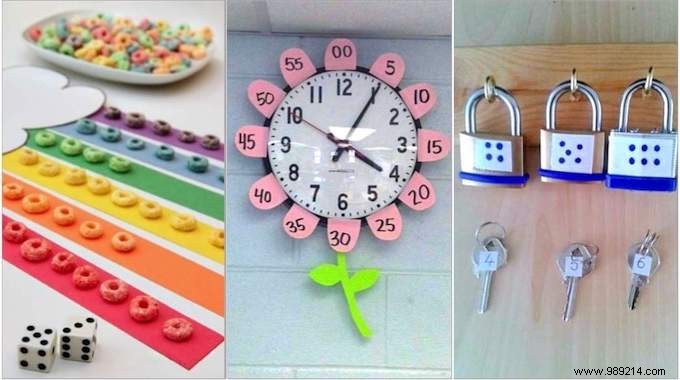
Does your child dread math? Counting, mental arithmetic, and multiplication can feel overwhelming, but with playful activities, they become exciting adventures. These 18 proven, easy-to-implement games—drawn from years of classroom and home-tested strategies—help kids from kindergarten through elementary school build confidence and joy in math.
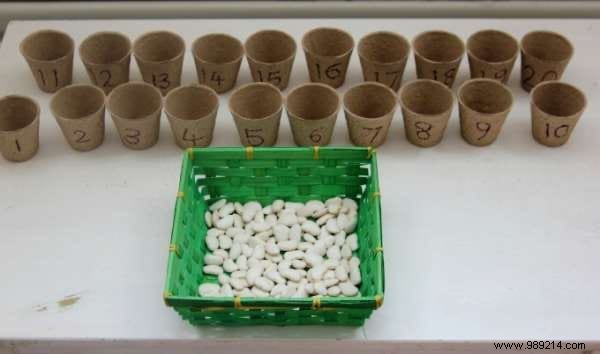
Grab cups, a marker, and dried beans. Number the cups from 1 to 20, then challenge kids to place the matching number of beans in each one. Simple, tactile, and effective for building number sense.
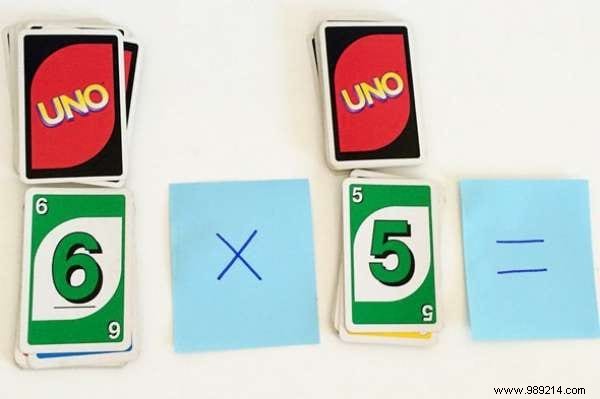
Skip rote memorization—use a UNO deck (minus special cards), Post-it notes, and a marker. Pick an operation, slap the sign on a note, draw cards, and solve. Perfect for quick mental math practice that's actually fun.
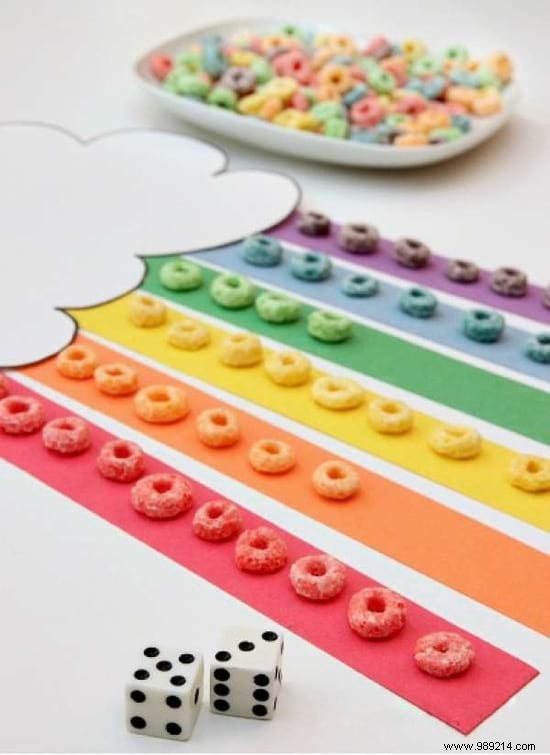
Turn breakfast into a lesson: Roll two dice, add the numbers, pick a color from rainbow paper strips, and add that many matching cereals. Builds addition skills through colorful, edible fun.
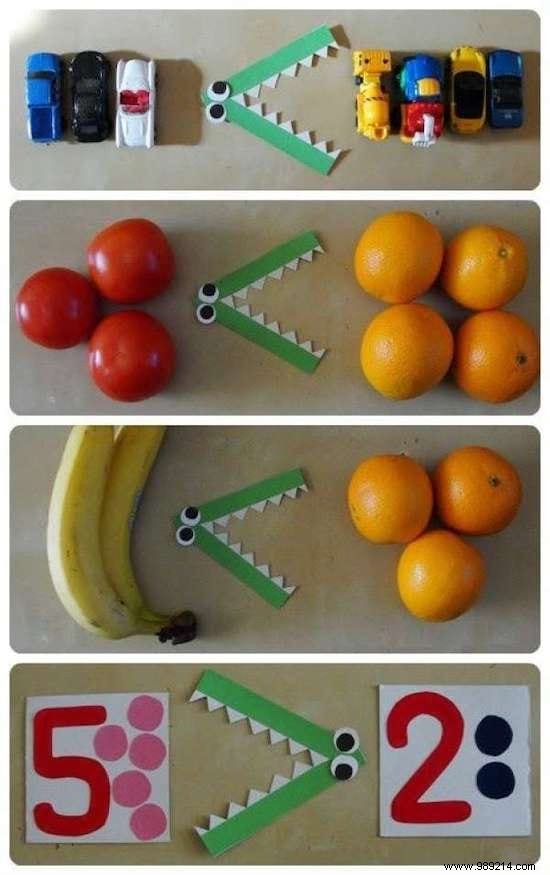
Craft a crocodile from cardboard with big eyes for the greater/less than signs. Use it to compare fruits, toys, or numbers—kids quickly grasp comparisons with this playful visual aid.
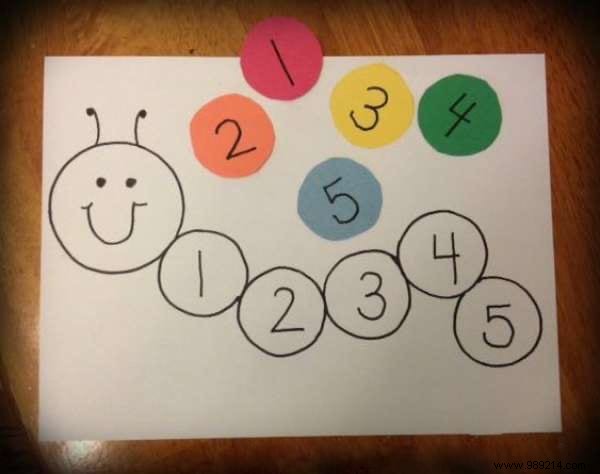
Draw a caterpillar with five numbered circles on paper. Cut matching numbered circles from colored paper. Kids match and count them onto the body—ideal for preschoolers.
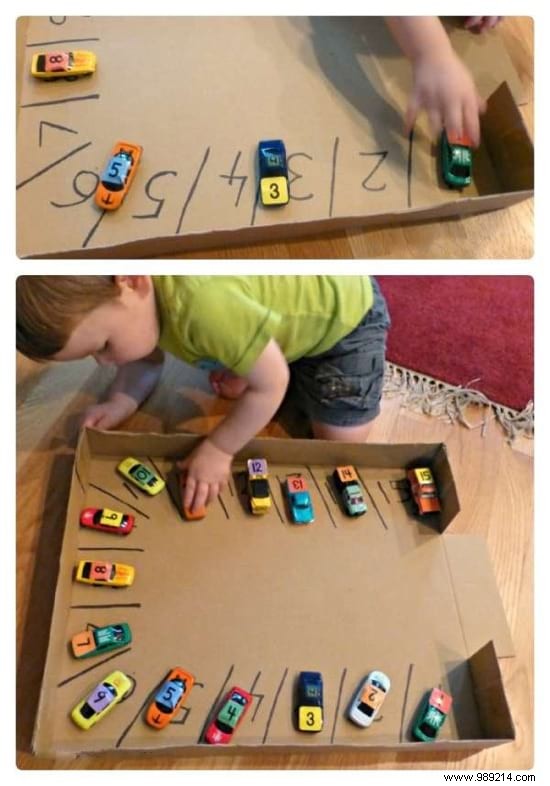
Repurpose a pizza box as a parking lot: Draw numbered spots and label cars. Kids park each by number. Harnesses their love for cars to reinforce recognition.
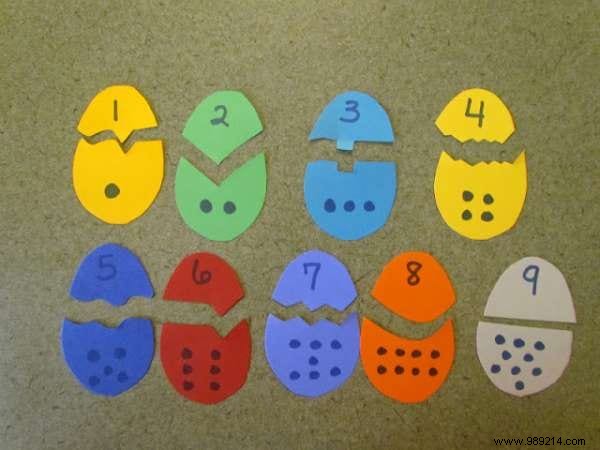
Draw and cut colored eggs in half: Number one side, dot the other. Match by color, number, and quantity—a clever puzzle linking visuals to counts.
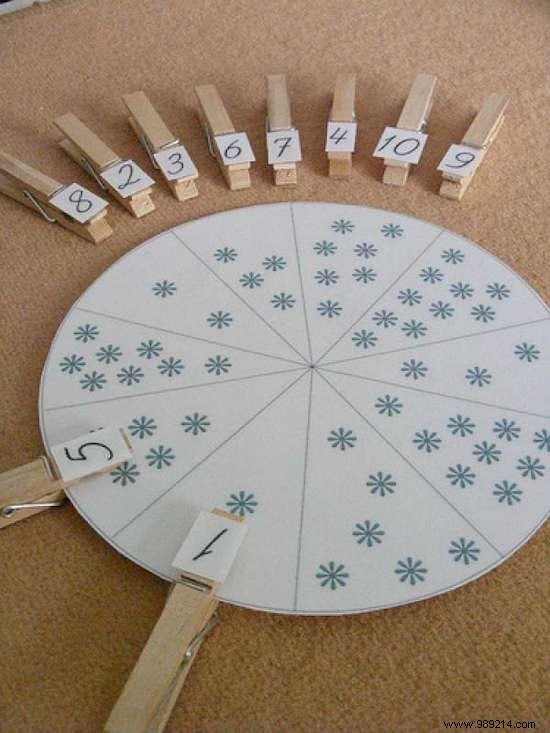
Number 10 clothespins 1-10. Divide a paper plate into 10 sections with matching star counts. Clip them correctly—great for 4-5-year-olds honing quantity association.
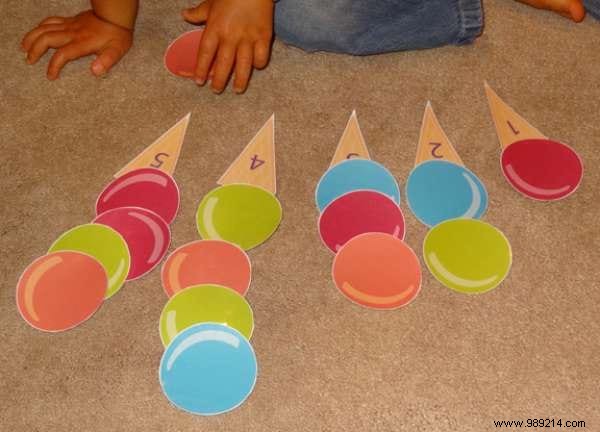
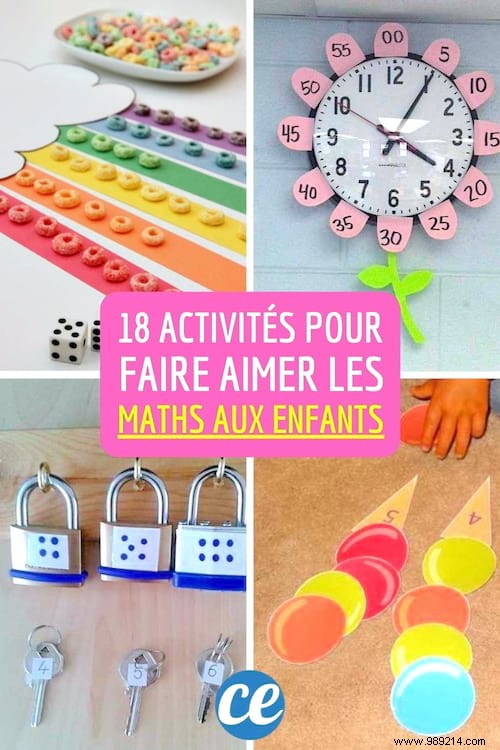
Cut paper cones and scoops. Number cones; kids stack the right scoops. Sweet motivation—promise real ice cream for top scorers!
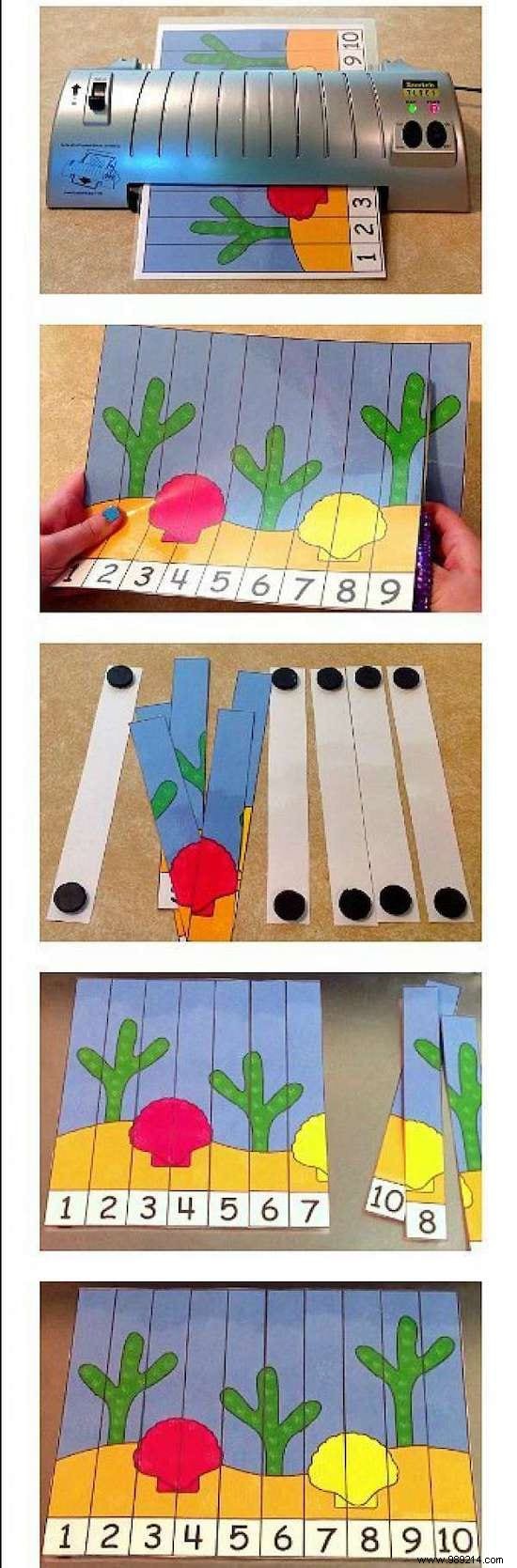
Print an image, glue to cardstock, cut into 10 numbered strips. Reassemble in order—doubles as puzzle practice and counting mastery.
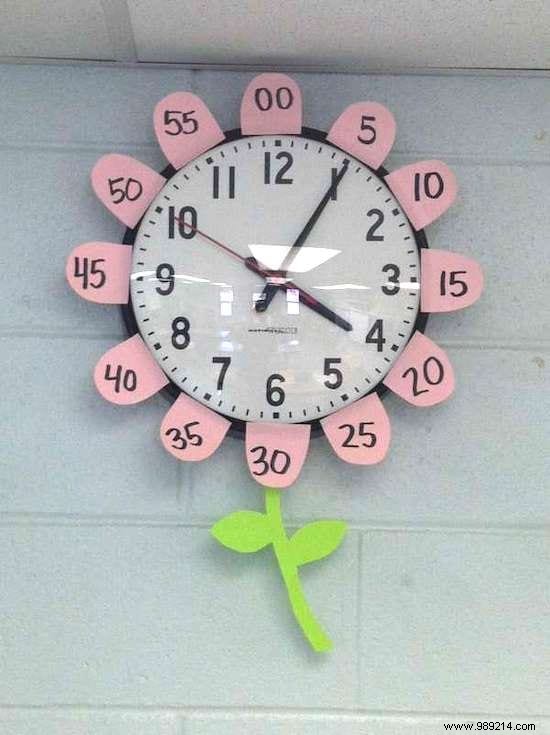
Transform a clock into a flower: Petals mark minutes. Makes time-telling bloom into an engaging visual lesson for young learners.
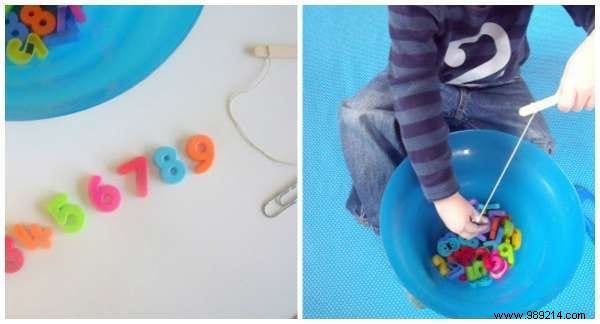
Magnetic pieces in a bowl, DIY fishing rod with paperclip bait. Reel in and identify—boosts recognition and fine motor skills.
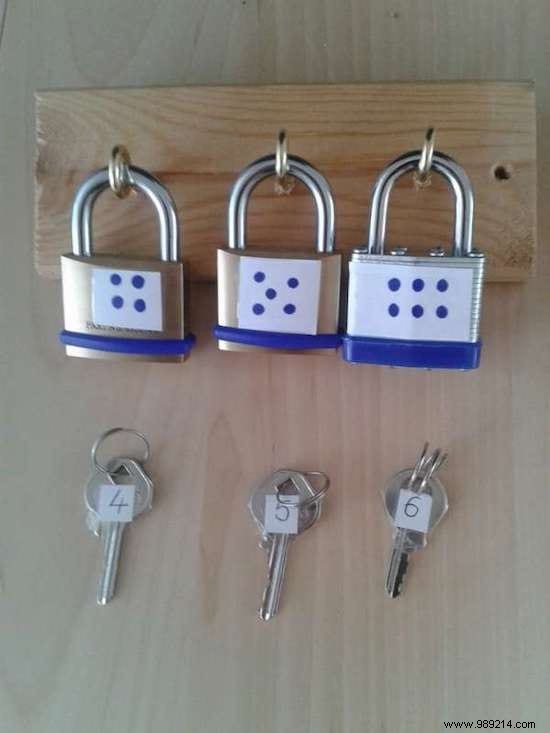
Three padlocks: Number keys, dot matching padlocks. Unlock to win—adds excitement to number-quantity links and dexterity.
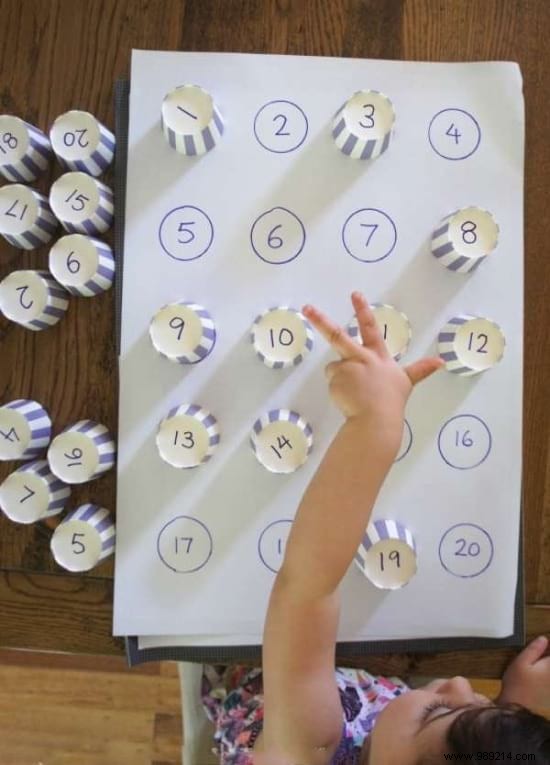
Number paper circles and cups. Match them; add timers or memory flips for challenge. Builds recognition and recall.
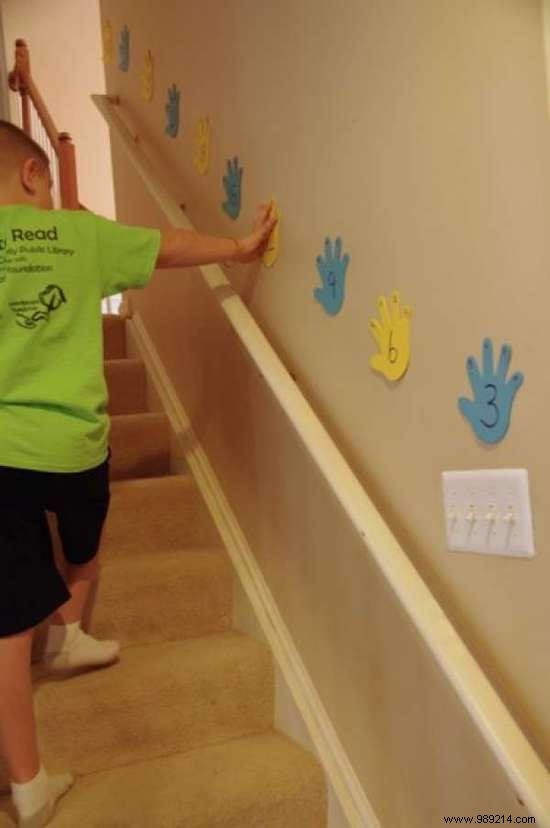
Cut hand shapes from cardstock. Write equations on fingers, answers on palms (e.g., 3x2=6). Hang on stairs or fridge—visual, active learning for elementary kids.
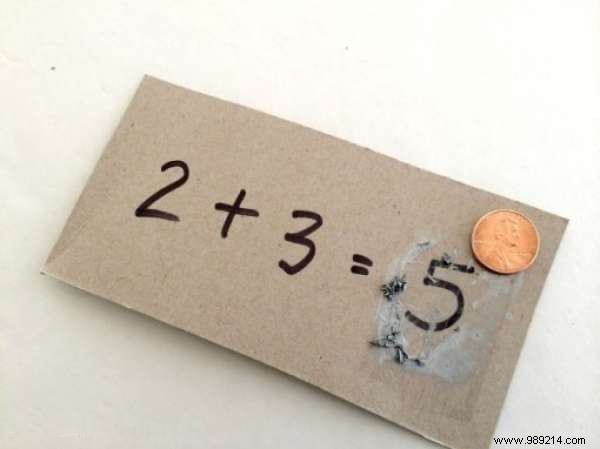
Write problems on cardstock, cover answers with paint-soap mix. Scratch to reveal—magical reveal reinforces calculations.
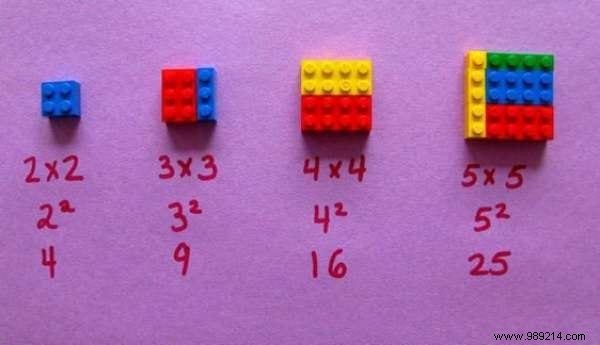
For middle schoolers: Build squares with Lego bricks matching numbers. Hands-on way to grasp squares concretely.
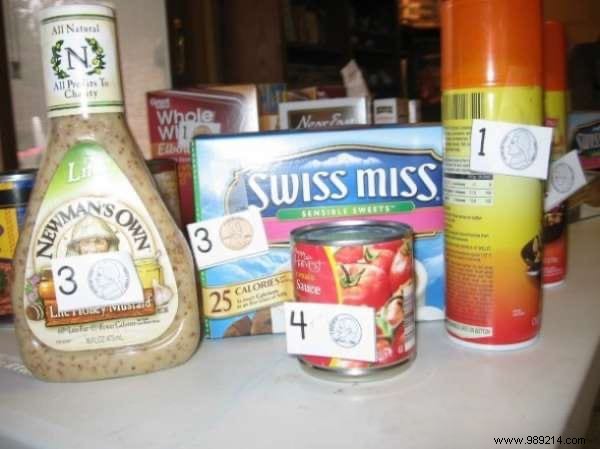
Price cans with stickers, make paper coins. Role-play shopping—manipulates money for practical addition and counting.
Which activities hooked your kids? Share your results in the comments—we'd love to hear!
