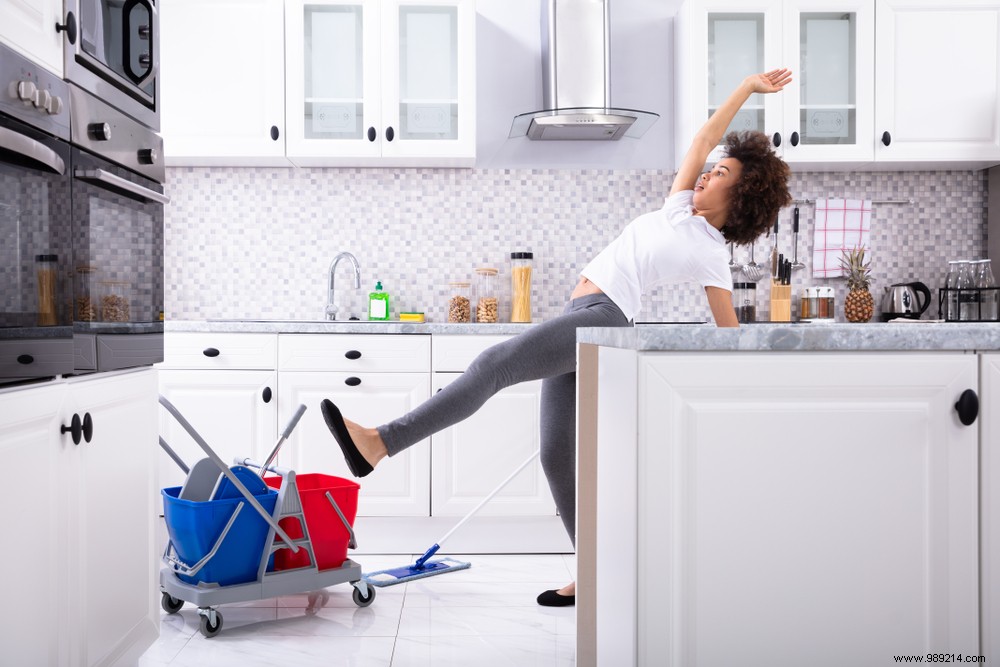
Where are you and your family most at risk for an accident? Not on the highway or in the ocean, but right in your own home. Falls, burns, poisoning—these everyday hazards can strike anywhere. Here's how to safeguard your space.
Domestic accidents: the 3rd leading cause of death in France[1]!
Your home should be a safe haven for your family. Yet in France, around 20,000 deaths occur annually from domestic accidents, with children often the most vulnerable due to their curiosity and exploratory nature.
Common household dangers
From a sharp table corner hitting a child's forehead, to flames from a gas stove scorching a hand, slippery floors causing falls, or stepping on a nail barefoot—these incidents happen indoors and out, leading to injuries of varying severity each year.
Top three household hazards to watch for
Electrical outlets, stairs, and doors top the list. Children are drawn to outlets—install protective covers immediately. For stairs, add guardrails and gates to block young kids. Doors can slam shut violently in drafts, trapping fingers; keep them closed during ventilation to prevent injuries.
Room-by-room prevention plan
While luck plays a role, proactive steps and vigilance can prevent most mishaps.
The bathroom
This cozy space hides slips and electrocution risks from water and appliances. Unplug razors, straighteners, and hair dryers after use, storing them out of children's reach. Use non-slip mats in showers/bathtubs and absorbent rugs on floors.
First aid for accidents: Slipped and bruised? Apply a cold sterile compress for 15 minutes to reduce swelling, then arnica cream. It'll fade quickly.
The living room
Sharp furniture edges and low decorations pose threats. Protect table corners with rubber guards. Elevate breakables and small objects to avoid falls, cuts, or choking.
First aid: Head bump with minor bleeding? Apply pressure, clean with lukewarm water, dry, and bandage.
The kitchen
Burns and cuts from hot surfaces and sharp tools are common. Store utensils in high, closed cabinets; add safety locks to stoves and appliances. Supervise kids during meal prep to teach safety.
First aid: Burned on a hot pot? Run under cold water for 15 minutes, then apply antiseptic.
The bedroom
Small toys risk choking or trips; teach tidying habits. Secure shelves firmly against climbing.
First aid: Nosebleed from a fall? Seat child forward, pinch nostrils for 10 minutes.
The laundry room
Lock cleaning products in high, secured cabinets—detergents, bleach, and descalers can poison. Follow "keep out of reach of children."
First aid: Skin/eye contact? Rinse thoroughly; call emergencies if ingested or unsure.
The garden
Pools demand barriers/alarms and supervision. Keep barbecues inaccessible; store tools safely. Watch for toxic plants and insects.
First aid for stings: Remove stinger with pump or indirect heat, disinfect, apply diluted lavender oil.
BlueBeep: Extra child protection
This app pairs with a clip-on device for your child's clothes or stroller, alerting you to falls or dangers for peace of mind.
Key emergency reflexes
Who to call? Dial 18 (firefighters) or 15 (SAMU) for rapid response.
Helpful resources? Poison control sites for ingestions/bites; Red Cross app for burns, bleeds, quizzes.
First aid training? PSC1 course (7 hours via fire brigade) teaches life-saving skills.
Transform your home into a safe paradise: tidy hazards, stay vigilant. Prevention beats cure every time.
[1]Source
