Obstructive sleep apnea syndrome (OSAS) affects 1-3% of children aged 3-6 who snore. Late diagnosis can severely impact quality of life, causing restless sleep, behavioral issues, learning difficulties, and even cardiovascular or metabolic problems. Consult promptly if concerned.
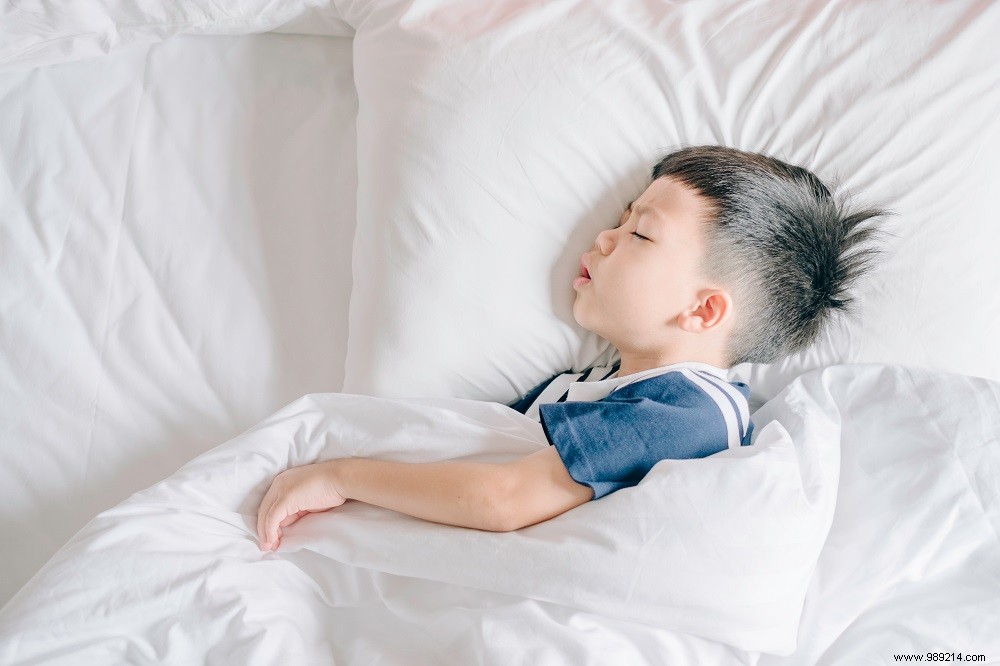
Does your child snore frequently, sleep with mouth open and head tilted back, sweat excessively at night, or wake often? These may signal childhood OSAS. While more common in adults, it impacts children too, causing partial or total upper airway obstruction (nose, throat) during sleep, explains Dr. Annick Andrieux, a pediatric pulmonologist in Bordeaux, via the Asthma and Allergies Association website. At highest risk: premature infants, those with asthma, allergic rhinitis, recurrent ENT infections, gastroesophageal reflux, or a family history of sleep apnea. Obesity also increases likelihood. Often underdiagnosed, OSAS affects 1-3% of snoring 3-6-year-olds, per France's Haute Autorité de Santé (HAS).
Signs of Respiratory Effort
Occasional snoring with calm sleep and no daytime issues? Reassuring. But frequent snoring with labored breathing and disruptions warrants quick consultation. Untreated OSAS disrupts daily life: daytime agitation (irritability, mood swings), headaches, mouth breathing, attention deficits. Rarely, it leads to cardiovascular (hypertension) or metabolic (weight gain) issues, notes Dr. Andrieux.
Multifactorial, OSAS stems mainly from pharyngeal tissue hypertrophy (adenoids, tonsils), narrow airways, poor muscle tone, or combinations, per a 2017 Sleep Medicine study.
Comprehensive Multidisciplinary Care
Treatment is tailored and team-based. Options include ENT surgery (adenoidectomy/tonsillectomy resolves symptoms in 80% of cases), orthodontics (to correct mouth-breathing jaw growth), maxillofacial/lingual physiotherapy (to reposition the tongue). "While ENT intervention is key, functional orthodontics and physiotherapy are vital," emphasizes the Morphée Network for sleep disorders. Add allergy evaluations, nasal hygiene, balanced diet, and exercise as needed. Persistent cases post-surgery may require CPAP via nasal mask.
Assess Apnea Severity with a Questionnaire
The Morphée Network offers a parent questionnaire for OSAS in 3-12-year-olds (covering breathing pauses, snoring intensity, etc.). Access it here. It's a screening tool, not a diagnosis—consult your doctor if scores raise concerns.
