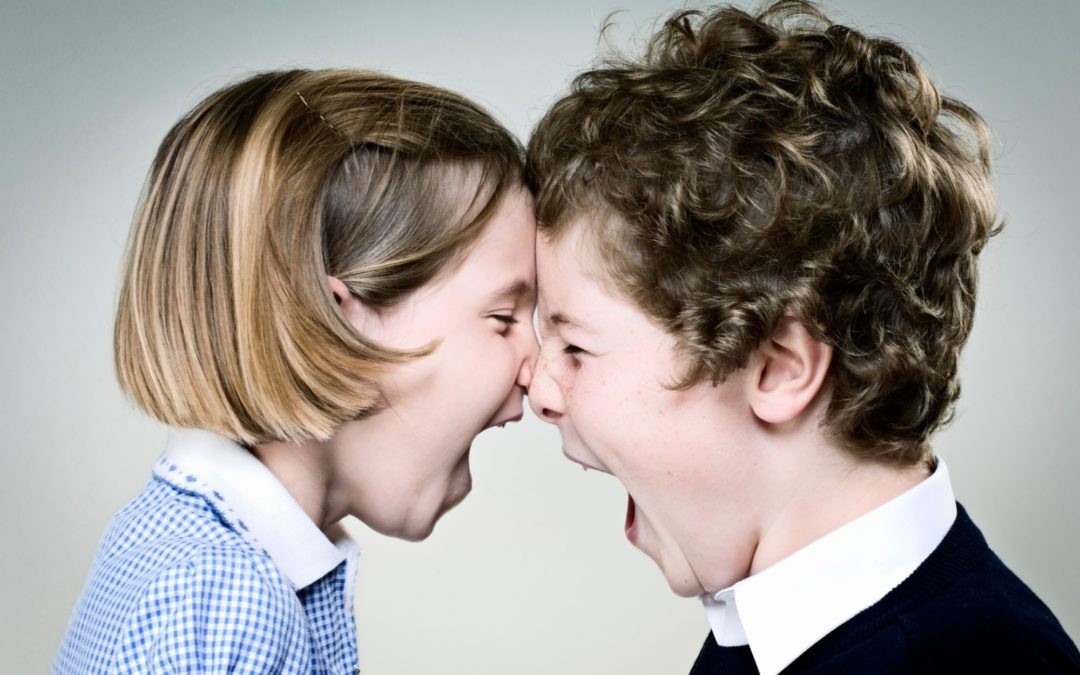
Siblings can act like cats and dogs one moment and inseparable best friends the next—or both simultaneously. Life with brothers and sisters brings highs and lows, bickering, and reconciliations, shaped by their ages and personalities.
Fraternal bonds are a true rollercoaster: harmonious at times, contentious at others. They enrich family life and support personal growth. Yet frequent disputes can turn problematic. "Intensely close sibling relationships often fuel conflicts and rivalries," explains Sabine Achard, a seasoned child and adolescent psychologist in Manduel, Gard. "Deep down, brothers and sisters adore each other. It's sharing their parents they resent." Jealousy—the urge to claim a parent exclusively and fear of losing them to a rival—lurks nearby. Few challenges rival sharing parental love.
When Gabrielle* arrived, four-year-old Emma seemed thrilled at first, but her behavior shifted. She refused to eat or sleep alone and wet the bed after a year of being potty-trained. "A new baby invades the firstborn's territory, craving undivided parental attention," says Achard. "Even toddlers sense this emotionally and adapt, sometimes regressing in toilet training or eating—especially with just two or three years' gap."
Reassurance of love is vital, though insecurity varies by temperament. "Some children constantly feel sidelined, convinced parents favor the sibling," Achard notes. She adds: "The eldest grew without rivals, evolving freely. The youngest watches parents closely, potentially lagging slightly. Equal parenting yields different reactions due to unique personalities and birth order."
Tensions peak with close ages but arise across gaps. "A seven-year difference mimics an only child," the expert observes. "Needs are met, reducing clashes—but parenting and family roles matter most." Treat boys and girls equally to sidestep gender rivalries.
The eldest holds superhero status for younger siblings. "They idolize the oldest," says Achard, "wanting to mimic everything. I tell the elder: 'Your sibling arrived to a family with a superhero—you—so they aspire to be like you.' The response? Often a dismissive 'pff!'."
For heated arguments, intervene briefly with timeout space. "Never punish one unfairly," she stresses, advising "dedicated one-on-one time to value each child's individuality." "Siblings aren't a monolith; they're distinct individuals," Achard emphasizes. In blended families, enforce consistent rules—age-based flexibility yes, favoritism no—to prevent child and parental strife.
Everyday squabbles and jealousies forge lasting ties as love develops. But excess harms. Isabelle, one of five siblings, recalls her mother precisely measuring syrup doses. "One child sparks it; others join," concedes Achard.
Shared chores and play build brotherhood. Obsess over fairness? "Absolutely not," replies Achard. "Buy needed shoes for one child and explain differing needs—no obligation to match everyone."
Children are unique, as are school performances. "At age 10, siblings can vary wildly—one excels, one struggles—but trajectories shift," she observes. "Praise the individual; skip barbs like 'Your brother did better at your age' or 'Copy your sibling.' Support personal hobbies."
When Jealousy Lingers into Adulthood
Successes reopen old wounds of perceived injustice. "I've seen adults limit to one child to dodge rivalry," shares Achard from Occitanie. "Deep dysfunctions or favoritism can rupture bonds permanently." The scapegoated sibling suffers unjustly.
Twins: Pitfalls to Dodge
Twins aren't always fused. Sixteen-year-old Xavier and Victoria unite in crises but clash daily. After school woes, their mother separated them in primary: "It fostered growth; Victoria overshadowed Xavier," she shares. Nurture individuality: unique outfits, activities, names—not 'the twins.' Separate classes from primary school can help. Skip identical dressing or shared hobbies.
*Names changed.
