
No more excuses for indulgences like Nutella or excessive cheese—save those for the next chapter! The key is balance, not deprivation. Nutella can fit occasionally, but not at every meal.
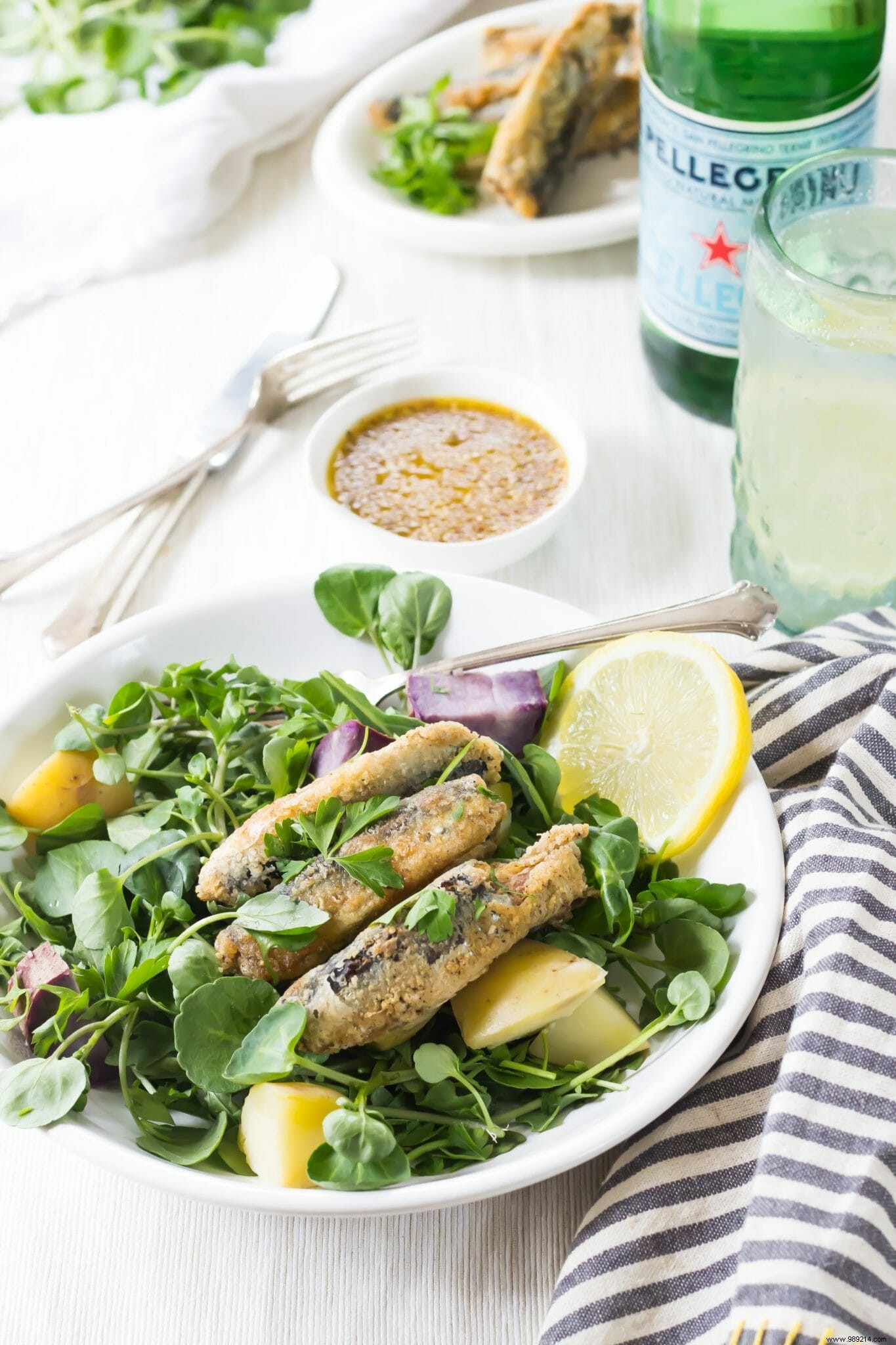
A balanced plate is simple: include starchy carbs, proteins, and plenty of vegetables—at least as much as the rest combined. Fats are essential but in moderation; aim for a tablespoon of healthy vegetable oil per meal, like olive, grapeseed, flaxseed, or rapeseed oil. Each offers unique micronutrients that support health and weight management. For personalized guidance, consult an online dietitian.
Your body thrives when well-hydrated. Even mild dehydration disrupts everything: muscles underperform, nutrient transport falters, fatigue sets in, and focus wanes. A 1% dehydration (about 350 ml for a 60 kg woman) cuts physical capacity by 10%. Slowed metabolism means fewer calories burned—a setback for weight loss.
Low-calorie diets (1,500, 1,200, or fewer) deliver quick results initially, but 95% of people regain the weight—often more. They're like temporary shapewear: effective while on, but uncomfortable and unsustainable, leading to rebound gains.
Physical activity supports weight loss, but diet is the foundation. Many gain weight despite exercise by overcompensating with treats. Sport burns fewer calories than expected, so prioritize it for overall health—physical and mental—while sticking to balanced eating.
The toughest rule: avoid fixating on weight. Constant stress triggers cortisol, which stores fat as energy reserves and blocks fat-burning hormones. Reduce stress to let your body access fat stores effectively.
Focus on nutritious, satisfying meals without extremes. Eat when hungry, enjoy treats occasionally. The real enemies of weight loss? Stress, frustration, and dehydration.
