
In today's fast-paced, individualistic world, board games offer families a delightful way to connect, laugh, and create lasting memories together. For children, they spark imagination and build key skills like strategy and social interaction. For parents, it's cherished quality time. With countless options on the market, selecting the right one can feel daunting. As experienced game enthusiasts, we'll guide you through essential criteria to find the ideal board game for your kids.
Contents 1 The age of the child 2 The world of the child 3 The complexity and duration of the gameThis is the foundational criterion for selecting a suitable board game. Most boxes indicate a recommended starting age, based on a child's ability to understand rules, analyze situations, and interact. While not an exact science—some kids excel beyond their age, others lag—this provides a reliable starting point.
Board games generally suit kids from age 3 onward.
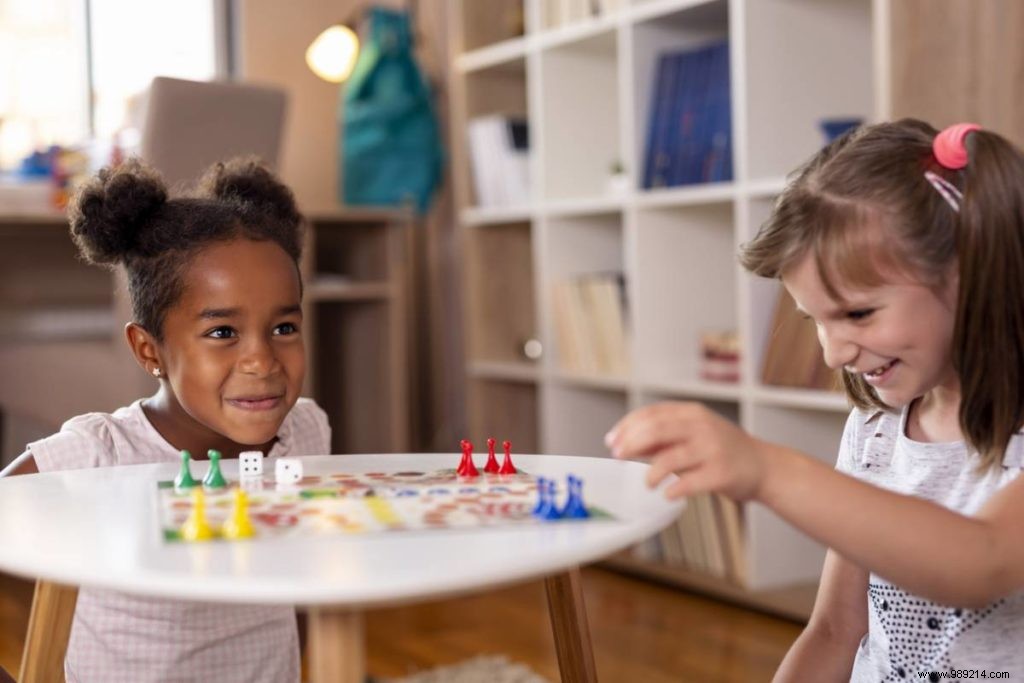
Match the game's theme to your child's passions for maximum engagement. Beyond mechanics, themes like animals, knights, firefighters, fruits, zombies, races, shopping, princesses, or pirates make all the difference. With endless varieties, pick one that aligns with their interests.
Game complexity must fit your child's cognitive level—overly challenging ones frustrate young players, while too-simple games bore older kids. Choose wisely to match their abilities.
Similarly, game duration matters: Short sessions (10-15 minutes) keep toddlers engaged without overwhelming them.
