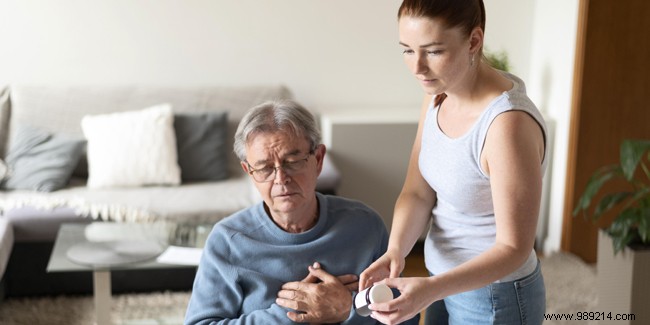
Many seniors and individuals with disabilities or illnesses prefer staying in their own homes despite challenges with daily tasks. Professionals like Social Life Auxiliaries (AVS) and Home Helpers provide essential in-home support, but their roles differ significantly. A Social Life Auxiliary, holding a state diploma, focuses on preserving or restoring autonomy through personalized care. Home Helpers, meanwhile, primarily handle household maintenance for those struggling with everyday chores.
A Social Life Auxiliary (AVS) visits the homes of frail, dependent seniors, or those with disabilities and illnesses limiting daily activities. This qualified professional assists with morning routines like getting up and dressing, evening bedtime support, personal hygiene (beyond medical nursing care), and more.
AVS professionals also prepare meals—especially for special diets—and manage light household tasks. They help with administrative paperwork, shopping, outings, and even adapt living spaces for safer mobility.
Beyond practical help, they foster social connections, family ties, and respect for personal choices and rights. As key communicators, they relay vital information to families or coordinating services.
AVS workers typically provide a few hours of daily support, with flexible schedules matching client needs—early mornings, late evenings, weekends, or holidays. Mostly women, they often work part-time at minimum wage rates.
Employed by family allowance funds, municipal social centers, associations, private firms, or local governments, they collaborate in multidisciplinary teams with nurses to tailor care based on health and dependency assessments.
To qualify, an AVS must hold the State Diploma of Educational and Social Support (DEAES, CAP level), specializing in home life support, collective living, or inclusive education.
Home Helpers also support seniors and others facing daily life challenges at home. However, only AVS professionals are trained for non-medical personal care needs of disabled individuals.
Primarily, Home Helpers tackle home upkeep: cleaning, laundry, ironing, minor sewing, and meal preparation. They may assist with personal washing, shopping, outings, or admin tasks as needed.
They can be hired directly by clients, personal services companies, associations, or municipal structures. Schedules align with peak needs like mealtimes, mornings, or evenings, including weekends and holidays.
No specific diploma is required, though experience or training in personal services is typically expected.
