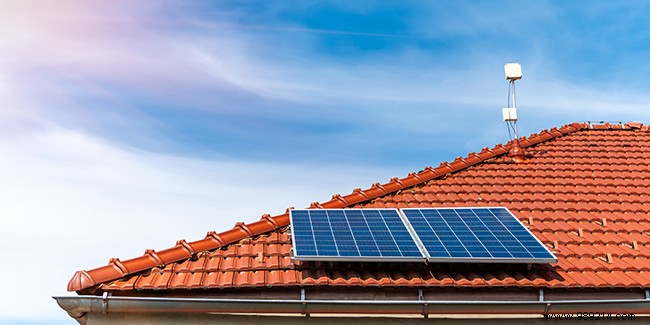
Installing solar panels on your home offers clear benefits at any age. As noted by France's Environment and Energy Management Agency (Ademe), solar energy is non-polluting, cost-effective, abundant, renewable, and easily converted to electricity. Self-generating power also supports environmental sustainability. However, the upfront costs can be substantial—particularly for those over 60, whose incomes often decline in retirement. Plus, selling excess electricity requires a minimum 20-year commitment to the grid operator. Seniors should carefully evaluate these factors before proceeding.
Photovoltaic (solar) panels, typically mounted on rooftops, provide environmental and practical benefits. Solar energy produces no pollution, and production is accessible to homeowners with varied goals.
One option is full self-consumption: Panels capture sunlight, convert it to DC electricity via inverters (mounted nearby to produce usable AC power), and optionally store excess in batteries for household use.
Alternatively, produce for self-use and sell surplus. Installations must be by a certified "Recognized Guarantor of the Environment (RGE)" professional and connected to the grid by Enedis or a local distributor (ELD), who handles hookup fees based on your setup. Surplus is sold via regulated quarterly purchase obligations.
Finally, sell 100% of production: This requires the above setup plus two communicating meters and inverter replacement every 10 years.
Solar installations involve significant costs, even with available aids—especially for grid connection and surplus sales.
Many finance via consumer loans, but post-60 retirement often means reduced income, making large debts riskier for tight budgets.
You'll also need civil liability insurance for the equipment, potentially raising home insurance premiums.
Full-sale producers pay the regulated Tariff for the Use of Public Networks (TURPE) to the grid operator.
Self-consumption-plus-sale or full-sale options lock you into a 20-year contract with the buyer— a long horizon for seniors, raising questions about inheritance or moves to care facilities.
Regular maintenance is essential, as weather degrades panels; this can burden those over 60.
Beyond costs, tax effects matter, especially for fixed or lower retirement incomes. Mixed self-use and sales are tax-exempt only if: power ≤3 kWp; ≤2 grid connections; not for professional use. Otherwise, declare sales as industrial/commercial profits (BIC), possibly increasing taxes.
