As retirement approaches, many remain active and sharp-minded. Yet, if this life stage coincides with a home move, selecting or adapting a senior-friendly space is crucial for long-term comfort and independence.
Sometimes, targeted renovations or smarter furnishing choices make all the difference.
Choosing a retirement home requires prioritizing essentials to maintain enjoyment as mobility naturally declines.
Opt for a single-story house or apartment with an elevator: stairs become increasingly challenging, especially to the bedroom. A stairlift is an expensive, less convenient alternative.
For family visits from children and grandchildren, include at least one guest room. If budget constraints apply, a reliable sofa bed or modern inflatable mattress offers affordable comfort.
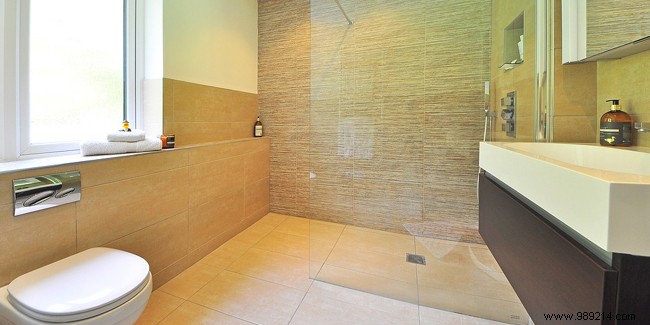
In the bathroom, prioritize a walk-in (Italian-style) shower with no step-up barrier. Add grab bars and non-slip flooring for safety.
When updating electrical systems, position outlets at switch height: this eliminates bending to floor-level plugs, easing daily tasks.
Reassess lighting to prevent dimly lit hazards and support reading—a common challenge as vision changes with age and a key factor in reduced literacy among seniors.
Falls pose severe risks for older adults, often leading to loss of independence. Proactive steps counter age-related factors like diminished vision, flexibility, and medication side effects.
Secure rugs with double-sided tape and manage cords with covers or wireless options (Wi-Fi/Bluetooth) to eliminate trip hazards.
Choose minimalist furniture arrangements with rounded edges to minimize injury from bumps. Select armchairs with higher seats for easier standing as mobility decreases.
Reuse those grandchild night lights: place them along the path from bedroom to bathroom for safe nighttime navigation.
Keep emergency contacts prominently displayed—familiar numbers can be hard to recall in stressful moments.
