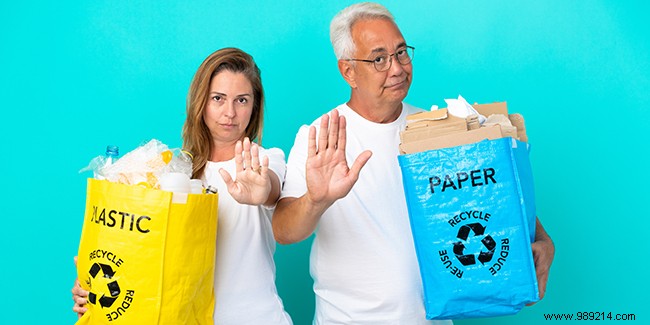
Zero Waste has become a familiar term in conversations about sustainability. This global movement promotes environmentally friendly habits amid rising concerns over global warming driven by overconsumption. While younger generations often lead the charge, seniors are embracing it too—thanks to straightforward daily practices that safeguard our planet, regardless of age.
In response to the climate crisis and environmental degradation, the Zero Waste movement has gained traction over the past decade. At its core, it encourages lifestyles that minimize waste production.
Waste from various materials depletes natural resources and poses ongoing environmental challenges, as much of it isn't recyclable and pollutes soil and water. According to France's Ecological Transition Agency (Ademe), total waste per inhabitant—including households, businesses, and construction—reaches nearly 5 tonnes annually, with household waste alone at over 400 kg per person per year.
Adopting Zero Waste doesn't require eliminating all waste (though some companies achieve this); it's about drastically reducing it through mindful living. It's often paired with eco-conscious choices like organic foods or vegetarianism. While associations and social media groups offer guidance, many people intuitively follow these principles without labeling them as Zero Waste.
Younger people are particularly proactive due to heightened environmental awareness, but seniors—especially those who grew up before the consumer boom of the Trente Glorieuses—have long practiced waste minimization instinctively. They avoid excess, relying on time-tested, eco-friendly methods like using coffee grounds as garden fertilizer instead of chemical pesticides or glass jars for food storage over plastic.
Even 'boomers' who enjoyed post-war prosperity can adapt easily. Simple daily shifts help break plastic-heavy habits and align with Zero Waste principles.
The movement gained prominence through Béa Johnson, a French expat in the US, whose 2013 book Zero Waste Home: The Ultimate Guide to Simplifying Your Life by Reducing Your Waste (French: "Zéro Déchet - Comment j'ai économisé 40% en réduisant mes déchets à moins d'un litre par an!") inspired millions. Many guides distill it into five actionable steps: refuse, reduce, reuse, recycle, and compost.
Start by refusing unnecessary packaging and items. Shop bulk at stores with your own cloth bags or glass jars. In supermarkets, skip overpackaged plastics—choose cardboard or bag produce yourself. Swap bottled water for tap.
Reduce consumption by renting seldom-used items instead of buying.
Reuse through repairs, second-hand clothing from thrift stores, and swapping disposables for durables.
Prioritize recycling by avoiding non-recyclables like plastics that harm ecosystems.
Finally, compost organic waste to create fertilizer for gardens or plants, slashing landfill contributions and their environmental impact.
