Have you ever seen a dead body? While many of us have experienced the loss of a family member, friend, or loved one—sometimes heartbreakingly often—the practical aspects are typically handled by specialized professionals like funeral directors, a field shrouded in mystery. Or consider how uncomfortable we feel when someone mentions a recent bereavement, as if they've breached an unspoken boundary. Society often pushes death to the margins, making grief hard to express. We treat it like a child hiding from monsters by covering our eyes. Yet, as Benjamin Franklin noted, death is our one unavoidable certainty—along with taxes, though dodging taxes is far more common than achieving immortality.
This persistent taboo stems from what German sociologist Norbert Elias described as the "civilization process." He observed how technological advances and centralized states led to gentler social norms: we're more modest and violence-averse than our medieval forebears. Similarly, death shifted from a public commonplace in the Middle Ages to a private affair in modern times, as Elias explored in his poignant book, The Loneliness of the Dying.
Our relationship with death feels bipolar: it's omnipresent in news tallies of tragedies—impersonal and statistical—yet deeply repressed when personal. This taboo, intertwined with aging, confronts us with our own mortality, the core human anxiety distinguishing us from animals. Religions, philosophers, and artists have long grappled with it. So why suppress something so central? Why institutionalize the profoundly personal?
Fear of death is natural—the ultimate unknown sparks dread, and no one knows exactly what follows. This fear drives repression; dwelling on it can trigger panic. We soften it with euphemisms: we "lose" loved ones, or they "pass away." But taboo only heightens anxiety, creating a vicious cycle. Enter the death positivity movement, which argues for open dialogue to live more fully.
For two decades, authors, therapists, and advocates from varied fields have challenged death's exile from society. Though diverse, they've coalesced as the death positivity movement, united by a key insight: healthier engagement with death enriches life. The name isn't morbid—it's not about glorifying death like fringe groups such as the Church of Euthanasia. Instead, it promotes lighthearted public events: mock funerals, death meditation groups, blogs, YouTube channels, "death dinners," and even death doulas who support end-of-life transitions rather than births.
A standout example is death cafés—casual gatherings where strangers sip tea or coffee and share cake while openly discussing death, fears, experiences, and wishes. There's even a board game, Morbid Curiosity, and a growing library of books by movement leaders. These forums break solipsism, letting us compare notes on mortality.
While rooted in Anglo-Saxon culture, the movement is emerging in France via "mourning cafés" in major cities. Notably, many leaders are young, like author Caitlin Doughty in her thirties, often reacting to their elders' mishandled losses.
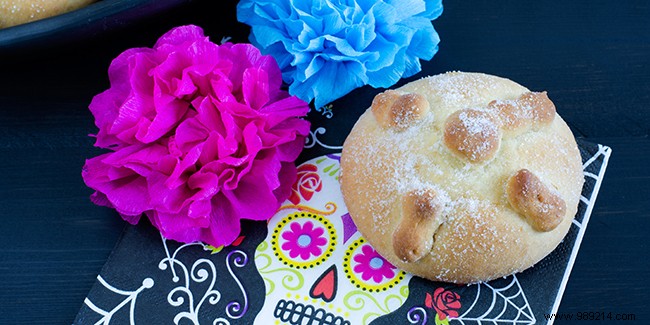
Proponents note this taboo is recent: until the last century, most died at home with family; today, 80% occur in hospitals or nursing homes. They cite global traditions—like Mexico's festive Day of the Dead or Indonesia's Toraja rituals of exhuming and parading ancestors—to highlight our ethnocentric avoidance, which would shock those cultures.
Facing mortality head-on can paradoxically improve life. Deathbed regrets are common; confronting finitude helps prioritize what matters, echoing existentialists who saw death as life's meaning-maker. Death positivity views mortality as liberating—shed fear, seize life boldly.
It emphasizes choice: deciding how to die (euthanasia or aggressive care), handle your body, or plan funerals. This requires prior talks with loved ones, easing their burden. Openness ensures dialogue is possible without judgment, sparing survivors isolation and regret.
Practically, these conversations demystify end-of-life logistics, simplifying funerals and legacies to support grieving families.
