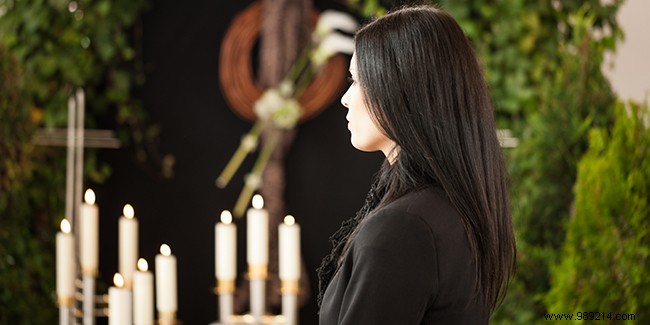
Funerals are profoundly difficult for grieving loved ones, blending deep emotion with essential logistics. These arrangements honor the deceased while helping survivors heal and move forward. A key moment in any service is the eulogy—a chance to unite in remembrance, share stories, and embrace the future with grace.
Yet crafting and delivering one isn't easy. Strong writing and public speaking skills take practice, and the personal weight of the topic can leave even talented wordsmiths staring at a blank page. We all want to pay meaningful tribute, much like historic speeches such as André Malraux's for Jean Moulin. A well-crafted eulogy aids mourning for speaker and audience alike. If you need guidance, here are proven tips from experienced funeral practices.
Typically, a close family member or friend gives the eulogy. It's best planned ahead to keep the service smooth and concise. A master of ceremonies—a professional, clergy member, or trusted relative—can coordinate, easing the burden on mourners. They might even deliver it if emotions run too high. Share your text in advance to manage timing and avoid overwhelming the gathering.
Brevity packs more emotional punch than lengthy laments. The challenge is capturing complex feelings and memories succinctly. For support, consider a joint speech with siblings or friends—it shares the load and reduces intimidation for those uneasy with public speaking.
Start with an outline: pinpoint key themes, like a cherished memory or life lesson from the deceased. Begin drafting promptly to sidestep panic. It's normal to wrestle with words—jot ideas, then refine after a rest.
Draw inspiration from great writers who've eulogized loved ones, citing sources clearly. Or reference an author the deceased admired. Tailor your theme to their personality: spiritual nods for the devout, light humor for the joker.
Even in formal settings, keep it conversational—like confiding in a friend about the deceased. Skip pompous language; it risks falling flat or dampening spirits further.
Sprinkle in gentle humor via shared anecdotes or quirks—laughter honors joyful souls and eases grief without disrespect. Gauge your audience: family-only or larger crowd? Use universal stories over insider jokes, but personalize with clear tales of your bond.
Focus on the living—evoke positivity to support healing. End upliftingly: life endures amid loss.
Ultimately, no rigid rules apply to heartfelt words. Trust your instincts; if it feels authentic to you, it will resonate.
