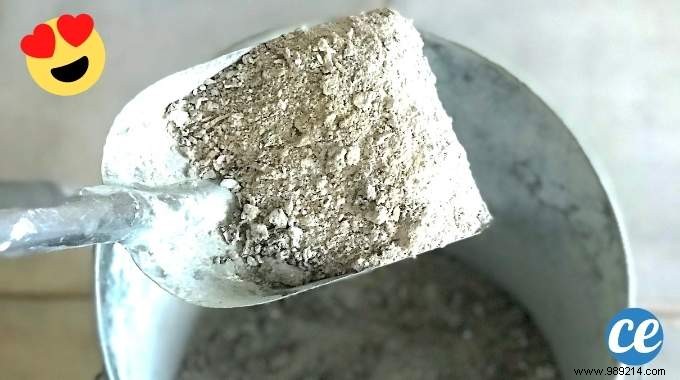
If you enjoy a cozy fireplace, you've probably got a buildup of wood ash wondering what to do with it. Contrary to what you might think, this isn't waste—it's a nutrient-rich resource straight from nature. As experienced gardeners and homesteaders have known for generations, wood ash offers practical benefits for soil health, pest control, cleaning, and more.
Don't toss that valuable powder. Here are 12 proven uses for wood ash in the garden and home. Watch these tips transform your routine:

Most plants thrive in soil with a pH between 6 and 7.5, where nutrients like nitrogen, phosphorus, and potassium are readily available to roots. Acidic soil (pH below 6) limits uptake of these essentials, while alkaline soil (pH above 7.5) restricts iron, manganese, and phosphorus.
Plants like blueberries, peppers, azaleas, and hydrangeas prefer acidic conditions, but others benefit from adjustment. Test your soil pH to confirm acidity. Wood ash, containing up to 70% calcium carbonate, acts as a natural lime substitute to raise pH effectively. Apply 10 kg per 100 m², let it work, and retest.
Slugs and snails can devastate young seedlings, strawberries, and salads in the garden. For a natural barrier, sprinkle wood ash evenly around plants or beds. Its dehydrating effect creates an uncomfortable barrier these pests won't cross.
Avoid direct contact with foliage, and reapply after rain for continued protection.
Boost your compost's potassium content—key for plant flowering and fruiting—by adding wood ash sparingly. Apply about every 15 cm of compost layer to avoid over-alkalizing, which could harm acid-loving plants.
While crushed eggshells provide calcium, wood ash delivers even more via calcium carbonate. Sprinkle lightly over soil and incorporate it. Ideal for apples, carrots, tomatoes, potatoes, cauliflower, broccoli, lettuce, Brussels sprouts, cabbage, and celery.
This simple ash-based fertilizer corrects potassium deficiencies, shown by brown spots, yellowing between leaf veins, curling tips, or stunted growth—common in tomatoes, potatoes, apples, raspberries, currants, and sugar beets.
Place 2.5 kg ash in a cloth bag (like an old pillowcase), seal, and infuse in 150 liters of water for several days. Dilute by adding 250 ml around plants. Scale quantities for smaller gardens.

A light dusting of wood ash greens up lawns by providing key nutrients. Water afterward to integrate it fully and prevent wind dispersal.
Hens naturally dust bathe to control lice and mites. Provide a mix of sand and wood ash in a box—they'll roll in it to stay clean and parasite-free.
Check out the trick here.
Ancient Babylonians made soap around 2800 BC from wood ash and animal fats. Boil ash in water to create lye (potassium hydroxide), mix with fats or oils for mild soap. Add salt for firmer bars.
Learn how to make wood ash laundry soap here.
Salt de-icing pollutes soil, harms plants, animals, and infrastructure. Wood ash, with its potash, melts ice effectively without corrosion, toxicity, or environmental damage. Scatter on paths and driveways.
Wood ash's mild abrasiveness polishes tarnished silver, metals, and glass. Mix a cup with water into a paste, apply with gloves, let sit, wipe, and buff for shine.
Like baking soda, alkaline wood ash neutralizes odors. Place in a bowl in the fridge or freshly painted rooms. Replace every 4-5 days.
Wood ash absorbs oil from porous surfaces like concrete or asphalt. Sprinkle on stains, let sit, then sweep away.
Primarily calcium, potassium, phosphorus, and magnesium, with traces of iron, manganese, sodium, boron, zinc, copper, and molybdenum. From burned plant matter, it's packed with plant-essential elements, a staple for traditional gardeners and farmers.
- Use only untreated wood ash—no pressure-treated, painted wood, charcoal, briquettes, or commercial logs.
- Hardwoods like oak and maple yield ash five times richer in nutrients than softwoods.
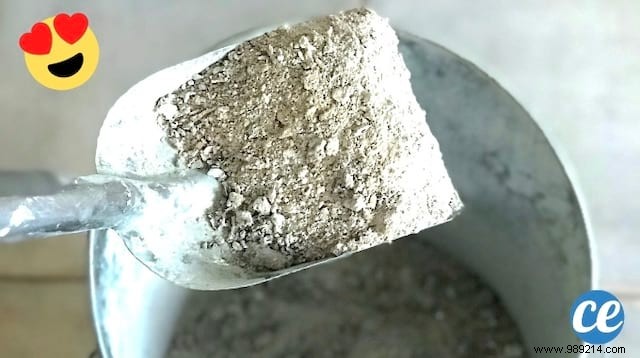
- Ashes may harbor hot embers; store in a metal bucket on concrete.
- Wear gloves, eye protection, and a mask when handling, treating it like alkaline cleaners.
- Avoid mixing with nitrogen fertilizers like urea to prevent ammonia release.
- Skip on seedlings—salts can damage tender plants.
