As new parents, it's natural to feel stressed when caring for your newborn. You want to meet their every need, but without words, understanding their signals can be challenging. Fortunately, pediatricians and child development experts like Dr. Priscilla Dunstan have shared proven techniques to interpret your baby's cries, sounds, and body language effectively.
Here are 22 expert tips to help you finally understand your baby's cries and gestures, drawn from years of clinical research and observation.

Crying is a newborn's primary communication tool in the first four months. Pediatricians identify distinct patterns to pinpoint needs like hunger, sleepiness, or discomfort:
- Calling cry: Short bursts of 5-6 seconds followed by 20-second pauses, as if waiting for a response. If unmet, it escalates to continuous crying.
- Hunger cry: Starts as a calling cry but builds to continuous, hysterical wails. Baby may turn their head and make sucking motions.
- Pain cry: Monotonous, loud, and constant, with sharper bursts as pain intensifies. Illness may cause softer, weaker cries due to low energy.
- Physiological discomfort cry (gas, wet diaper): Moaning sounds during urination, bowel movements, or gas.
- Tiredness cry: Plaintive moans with yawns, eye-rubbing, and ear-tugging when overtired.
- General discomfort cry: Nervous, intermittent cries with fidgeting, arching, or struggling—check diaper, temperature, or clothing.
Toddlers may also cry from environmental changes, frustration, or boredom.
For over 20 years, Australian pediatrician Dr. Priscilla Dunstan has researched newborn sounds across thousands of babies worldwide. Her findings reveal universal 'reflex sounds' before full crying develops after four months. She founded a school to train parents, emphasizing early recognition to prevent distress.
Dr. Dunstan's newborn sound dictionary:
- Neh: "I'm hungry." Tongue roots to palate in sucking motion. Offer a feed if the tongue is high in the mouth. (Activate video sound below for reference.)
- Eh: "I need to burp." Contractions to expel trapped air post-feed; baby squirms. Hold upright until burped. (Video sound below.)
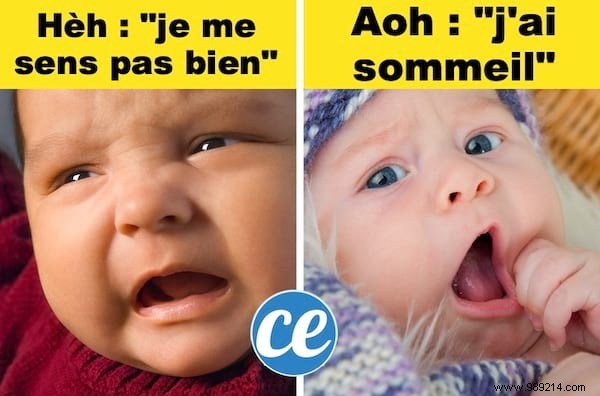
- Aoh: "I'm tired." Yawning 'O' shape lowers the larynx. (Video sound below.)
- Èrh: "I have gas." Abdominal contractions; half-open mouth, fists clenched, legs stiff. Massage belly or tummy-time on forearm. (Video sound below.)
- Heh: "I'm uncomfortable." Sigh-like sob from heat, cold, or wet diaper. Identify and fix the issue. (Video sound below.)
- Gen: "Teething pain." From 12 weeks: jaw grinding, excess saliva, fist-chewing. Use teething gel or ring. (Video sound below.)
- Nah: "I'm thirsty." Dry mouth sucking reflex; tongue slides. Offer fluids promptly. (Video sound below.)
- Yes: "I'm stressed." High-pitched, repetitive with rigid body, jerks, quivering chin. Cuddle to reassure. (Video sound below.)
- Lelaol: "I feel alone." Plaintive diaphragm spasms from isolation stress. Hold and interact. (Video sound below.)

Non-verbal cues provide key insights into your baby's state:
- Arches back: Under 2 months: pain/colic. Post-feed: fullness. Frequent: reflux. Over 2 months: fatigue or moodiness.
- Head turning side-to-side: Self-soothing to sleep or stranger anxiety.
- Pulls ears: Usually exploration; with crying, possible ear infection—see a doctor.
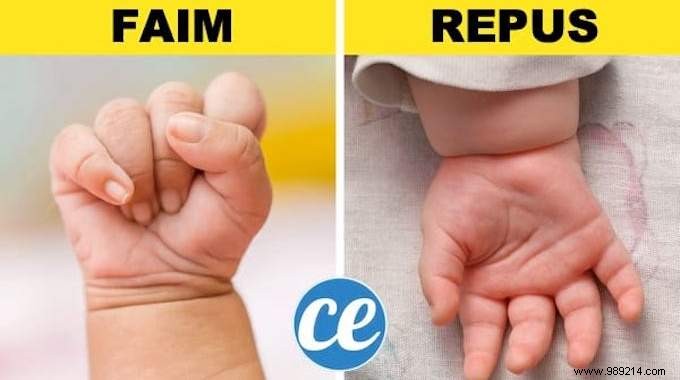
- Clenches fists: Hunger signal—feed to preempt cries.
- Draws up legs: Colic or tummy pain relief reflex.
- Shakes arms: Startle response to noise/light/sudden wake-up; comfort immediately.

Pediatricians urge frequent talking to your baby—narrate your actions to build communication, language, and emotional bonds, even if they seem too young to grasp it.
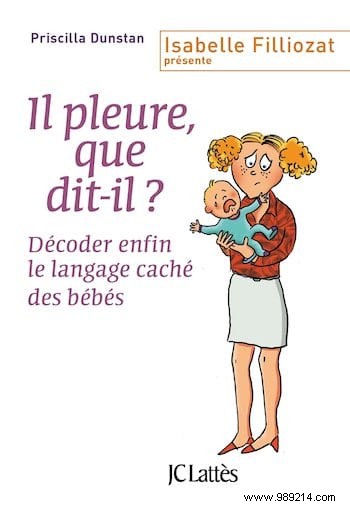
For deeper insights, read Dr. Priscilla Dunstan's book: He's Crying, What Does He Say?
Have these tips helped you understand your baby better? Share your experiences in the comments—we'd love to hear!
