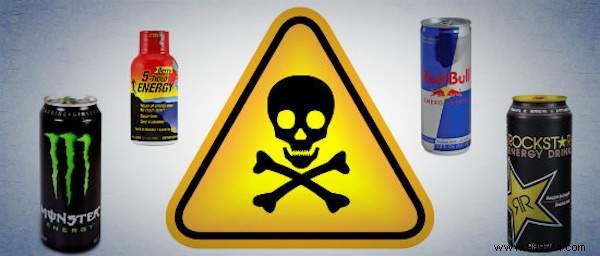
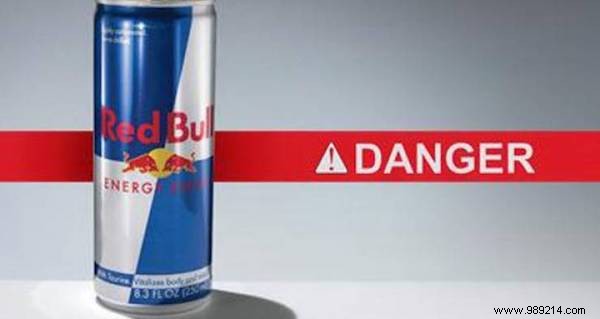
Energy drinks like Red Bull, Dark Dog, Rockstar, Burn, and Monster are surging in popularity worldwide, with Red Bull alone selling over 6 billion cans annually across 171 countries.
Sales are booming in France too, but these beverages pose significant health risks, particularly with frequent or excessive use. Alarmingly, they're easily accessible to minors, prompting growing scientific scrutiny on their effects—despite marketing claims of "giving wings."
While energy drinks have less caffeine than a typical coffee, their sugar levels are extraordinarily high.
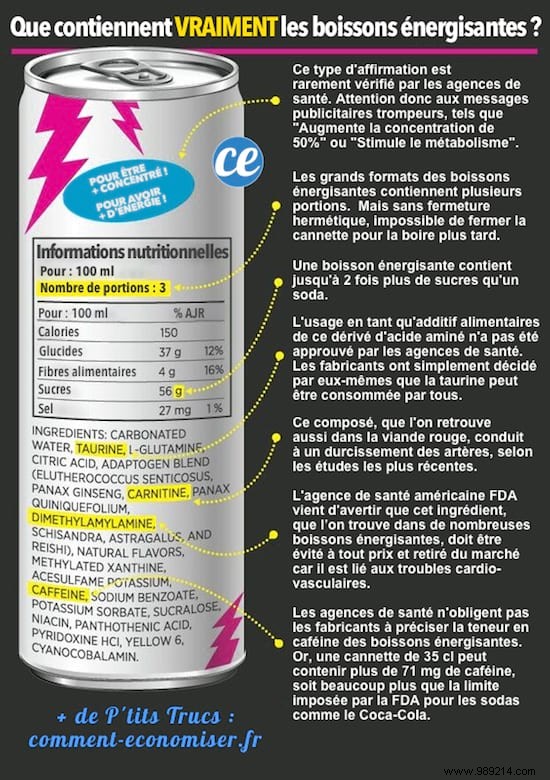
Teens and preteens are especially drawn to them, often consuming without restraint. This has led to rising reports of adverse effects in children and adolescents. Here's a breakdown of 14 key health risks of Red Bull, drawn from peer-reviewed studies:
Precise lethal doses are hard to pinpoint, but even moderate intake can trigger cardiac arrest in those with underlying heart conditions. Always consult your cardiac health status before consuming caffeine-heavy drinks.
A study in the Journal of Amino Acids found energy drinks induce stronger heart contractions—a potential danger for vulnerable individuals.
Research in Clinical Toxicology reported 4,854 U.S. poison control calls over two years related to energy drinks, with 51% involving children. Another study linked excess consumption to cardiac events in teens, recommending no more than 250 ml daily—and never before or during sports.
A 2016 study noted significant QTc interval prolongation (a marker of irregular heart rhythm) in 18- to 40-year-olds after energy drink intake.
Excessive energy drink use often leads to severe headaches or persistent migraines, primarily from caffeine withdrawal symptoms when intake fluctuates.
The solution? Gradually reduce or eliminate consumption to break the cycle.
Caffeine in Red Bull can amplify anxiety and stress, especially in those with specific adenosine receptor gene variants. Overconsumption may provoke acute panic attacks.
Designed to promote wakefulness, Red Bull excels at it—but often at the cost of chronic insomnia with regular use. Sleep deprivation impairs concentration, raising risks in tasks like driving.
High sugar content overstimulates insulin production, exhausting the pancreas over time and paving the way for type 2 diabetes—applicable to all similar energy drinks.
Certain ingredients can react adversely with drugs, especially antidepressants or prescriptions. Always discuss with your doctor if combining.
Caffeine creates real dependency; withdrawal brings debilitating symptoms. Daily habits can also strain your budget.
Research in the Journal of American College Health links teen energy drink use to heightened risky actions—like drunk driving or unprotected sex—and even violence, sans alcohol.
High caffeine triggers tremors, heightened nervousness, task disruption, and emotional instability, per clinical studies.
Frequent vomiting from overuse dehydrates, erodes esophagus lining, and damages tooth enamel.
Complex ingredients may cause unforeseen allergies, from itching to airway constriction.
Caffeine and combos raise blood pressure more than coffee alone—by about 6.4% after one 250 ml can, per American Heart Association research. This heightens stroke and heart disease risks, especially for hypertensives.
Combined with supplements, energy drink niacin (B3) levels can overdose, causing skin flushing, dizziness, rapid heartbeat, vomiting, itching, and diarrhea.
Mayo Clinic research on Rockstar (250 ml) showed norepinephrine levels surge 74% versus 31% in controls—exacerbating stress.
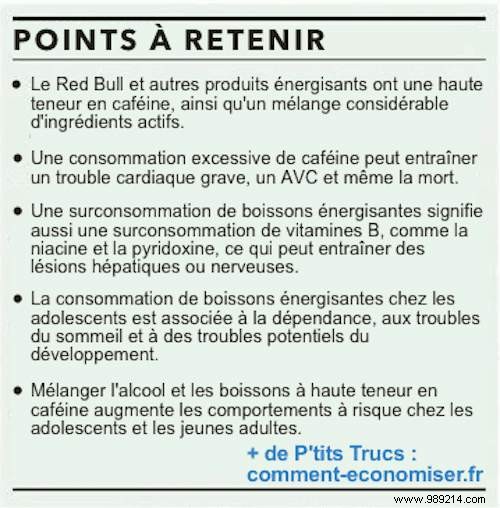
Caffeine addiction ties to anxiety and insomnia; abrupt cessation is tough—classified nearing mental disorder status. Opt for gradual tapering.
The WHO flags risks, especially for adolescents (68% consume them), urging caffeine limits, child-sale restrictions, labeling, professional training, addiction monitoring, anti-mixing-with-alcohol campaigns, and youth research.
As always, moderation matters. Treat caffeine like any drug: use sparingly. Education on labeling empowers parents to guide kids safely.
