"Get an IUD, and you're set!" If you've heard this from friends or family, you're not alone. Menstrual cramps, heavy bleeding, and the search for reliable long-term contraception are common concerns for many women. The IUD stands out as a top choice—now the second most popular contraceptive method. But with copper and hormonal options available, how do you decide? We break it down based on clinical data from sources like the World Health Organization (WHO).
Contents 1 The Copper IUD: A Hormone-Free Natural Option 1.1 What are its advantages? 1.2 And its disadvantages? 2 The Hormonal IUD: Better Body Regulation for Many 3 Its advantages 4 Its disadvantages 4.1 Which one will you choose?Let's compare the two main types of IUDs: copper and hormonal. Discover which might suit you best.
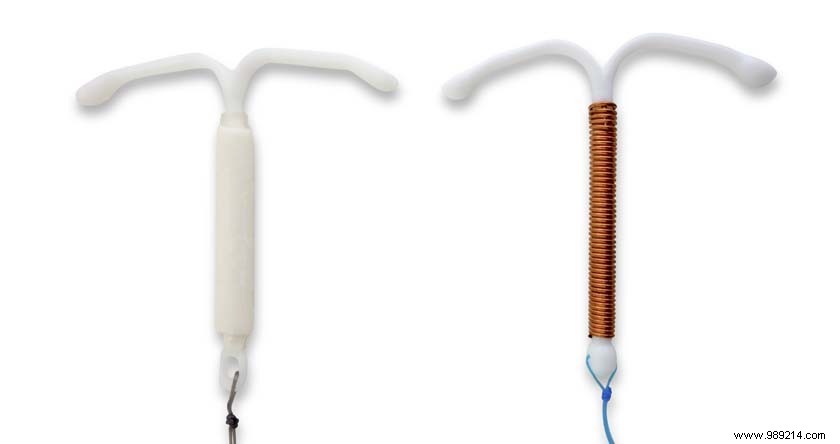
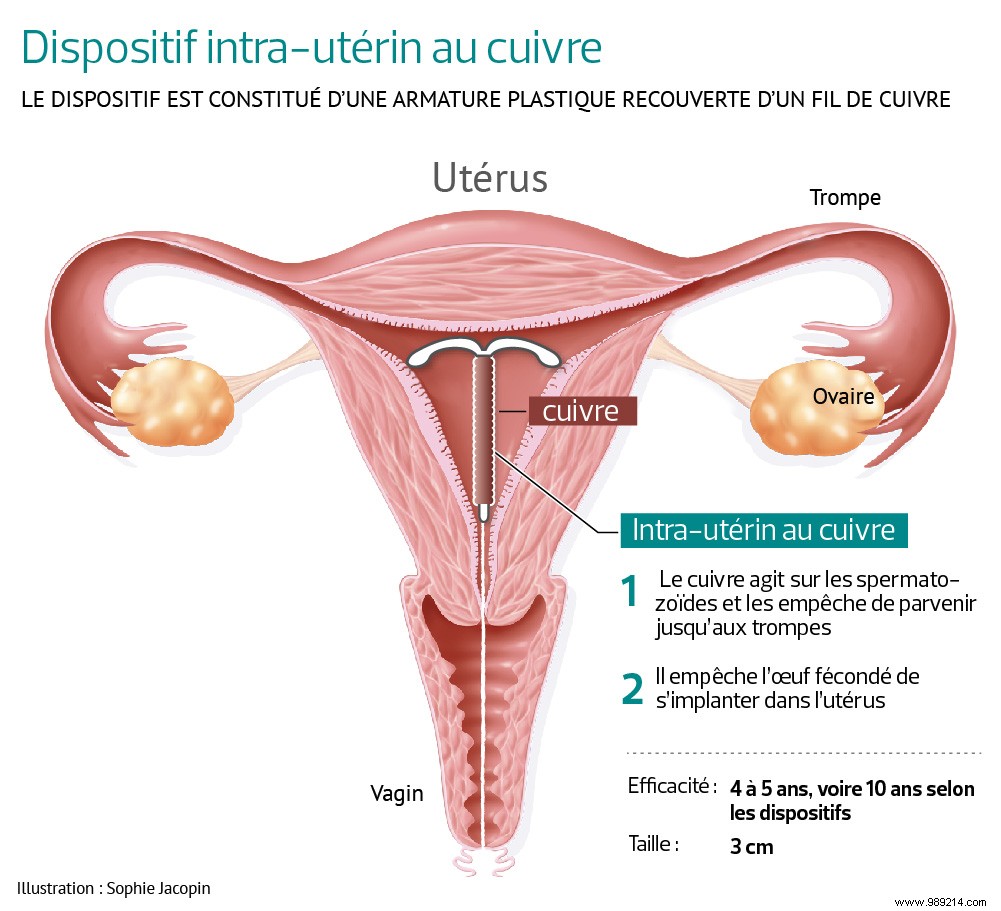
The copper IUD is made of plastic with copper coating. It works by releasing copper ions that immobilize sperm, preventing fertilization, and creating a local inflammatory response that blocks embryo implantation. Its effectiveness is 99.2%, per WHO data.
The standout benefit is its hormone-free design, preserving your natural menstrual cycles without disrupting hormones. Ideal if you worry about side effects like weight gain, headaches, cysts, or tumors from hormonal methods.
It suits most women, including nulliparous (those who haven't given birth)—smaller models are available for younger women or smaller uteruses. It can also serve as emergency contraception.
Without hormones, it doesn't lighten periods or ease PMS symptoms like bloating, headaches, mood swings, or fatigue. In fact, periods can become heavier for some women.
Consider this carefully.
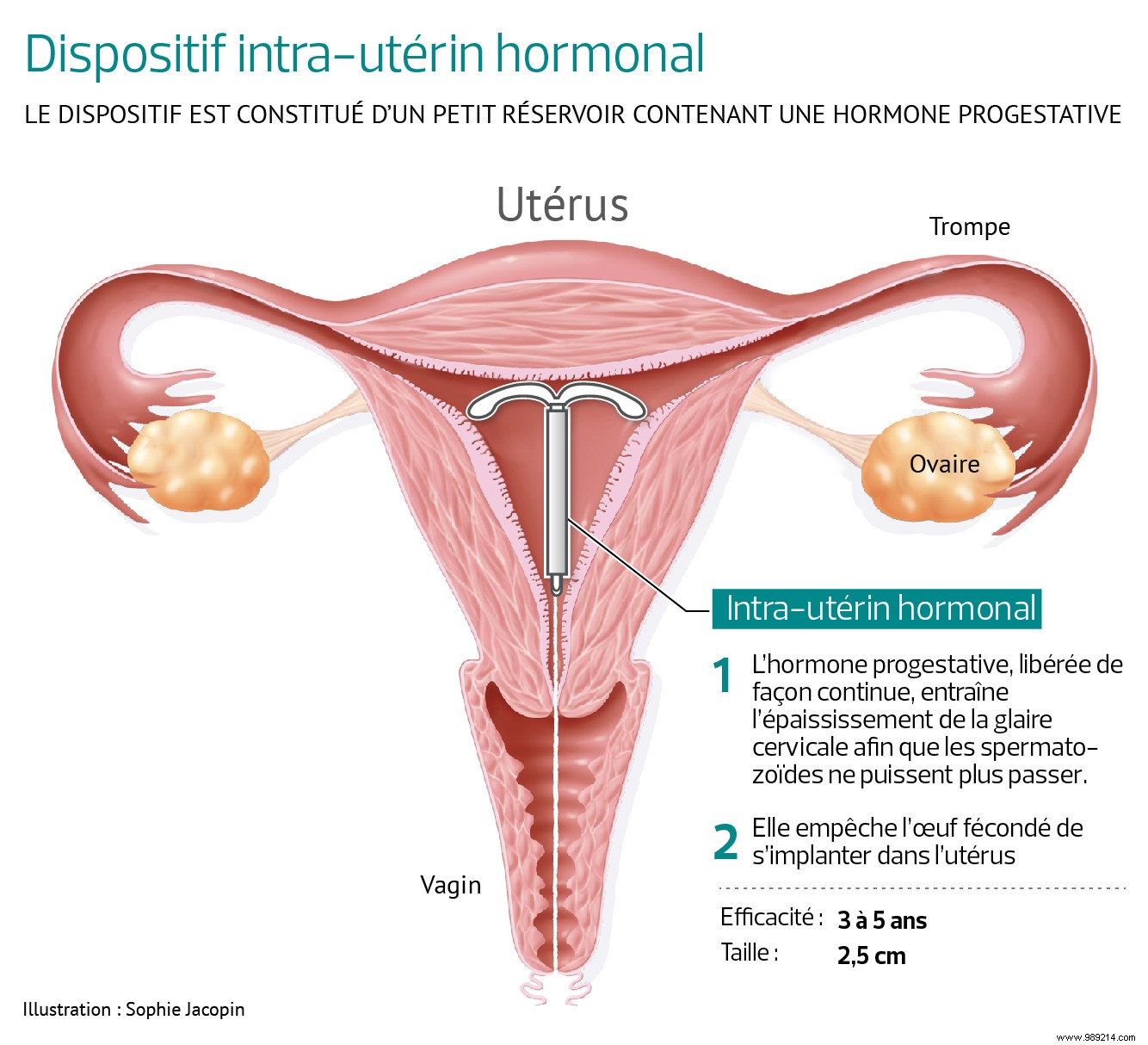
This all-plastic device has a small reservoir releasing levonorgestrel (progesterone-like hormone), similar to the pill but localized to the uterus. It thins the uterine lining, preventing implantation. Effectiveness: 99.8%, per WHO.
Unlike the copper IUD, it often reduces or stops periods entirely—sometimes prescribed just for heavy or painful bleeding. It can minimize PMS as your body adapts to steady low-dose hormones.
Besides the standard Mirena, the smaller Jaydess (since 2014) releases just 5-13.5 micrograms daily vs. Mirena's 10-20, a gentler hormonal option.
Beyond hormone concerns, some miss their periods and feel uneasy without them. Side effects may include irregular bleeding, weight gain, acne, or increased hairiness in susceptible women. Recent reports note issues like depression, anxiety, dizziness, hair loss, or pelvic discomfort in some Mirena users.
The choice is personal. Consult a healthcare professional—both types last 3-10 years (copper: 5-10; hormonal: 3-5) but can be removed anytime for side effects or preference.
****