Family Encyclopedia >> Family

Homemade Baby Purees vs. Store-Bought Jars: Pros, Cons, and Expert Advice

Homemade Baby Purees vs. Store-Bought Jars: Pros, Cons, and Expert Advice

I'm joining fellow bloggers in a baby food article series—discover more at blog2mamans.

Your little one's diversification journey has begun, but choosing between homemade purees and store-bought jars can feel overwhelming. As experienced parents, we've weighed both options extensively. Are commercial jars truly nutritious? How do you ensure homemade meals meet nutritional needs? Let's break it down with practical insights grounded in European standards and real parenting experience.

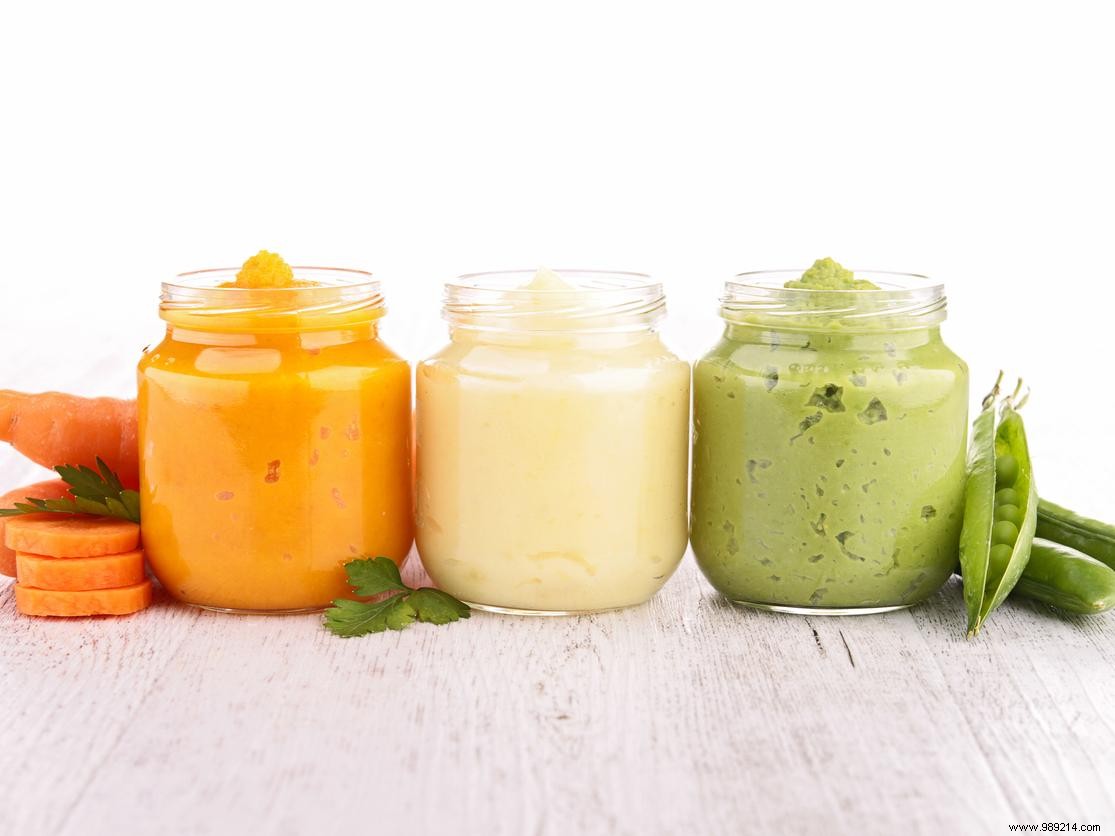
Store-Bought Baby Jars: What Do They Contain?

Healthy or not? Opinions vary, but facts matter. These jars cater to busy parents, offering convenience without compromising safety. European regulations enforce strict standards, including regular controls for quality and nutrition.

Homemade Baby Purees vs. Store-Bought Jars: Pros, Cons, and Expert Advice

Many brands deliver reliable alternatives to home cooking—hormone-free meats, pesticide-free produce, and added vitamins/minerals. No preservatives, colorings, or excess salt in compliant products.

Homemade Baby Purees: Ensuring Balanced Nutrition

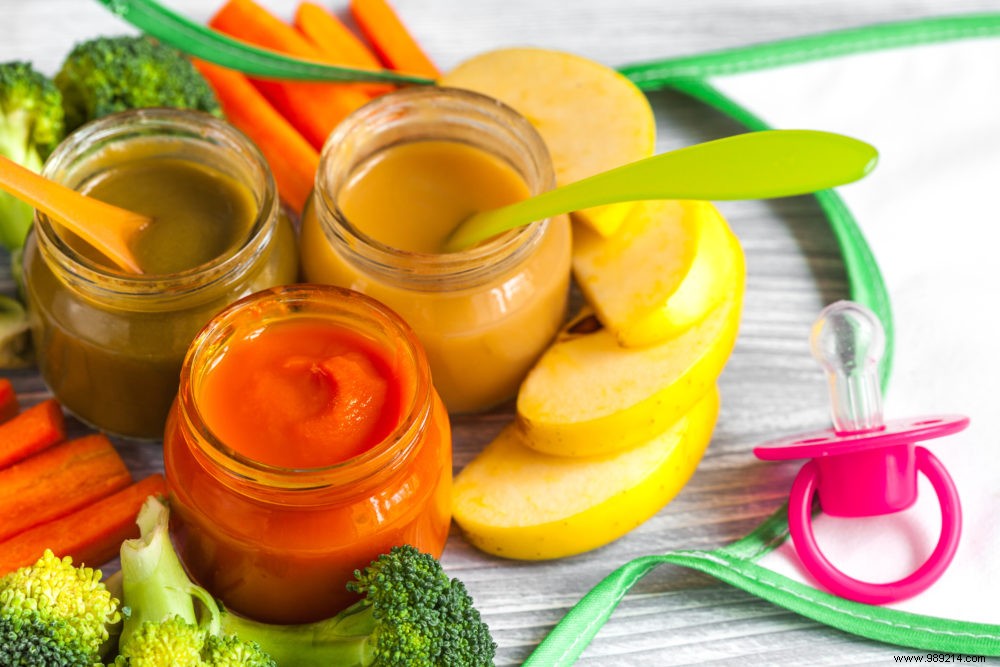
If you have time for fresh prep, it's rewarding. Key concern: meeting age-appropriate dosages, like protein amounts. Reliable resources—cookbooks, online guides, and pediatrician advice—make it straightforward.
Homemade Baby Purees vs. Store-Bought Jars: Pros, Cons, and Expert Advice

Store-Bought Jars: Pros and Cons

Pros:

  • Time-saver for packed schedules—work, errands, family activities.
  • Superior vitamin retention via sterilization; bacteria-free if unopened, consistent taste.
  • Guaranteed quality: no hormones/pesticides, fortified nutrients. Fresh market produce lacks baby-specific regs.

Cons:

  • Flavor can seem bland or overly uniform, potentially delaying single-ingredient recognition.
  • Babies may prefer jars' taste, complicating transition to family foods.
  • Higher cost per serving.

Homemade Purees: Pros and Cons

Pros:

  • Authentic flavors from fresh picks—introduce diverse tastes like fennel or leeks freely.
  • Custom textures to match baby's readiness.
  • Tailor recipes, freeze portions for convenience.
  • Budget-friendly with control over ingredients.

Cons:

  • Prep time for washing, cooking—even with appliances.
  • Requires knowledge of age-specific nutrition; consult guides/doctors if needed.

Neither is perfect—mix them based on your routine. Alternate for variety, guilt-free. Baby's palate develops naturally. Trust your instincts and prioritize joy!


What do you prefer: homemade, store-bought, or both? Share in comments!


Homemade Baby Purees vs. Store-Bought Jars: Pros, Cons, and Expert Advice