Maria Montessori, Italy's first female doctor, drew on her scientific and medical expertise to observe children closely and develop an innovative educational approach. For instance, recognizing that young children naturally love to move, she designed classrooms that encourage movement rather than forcing stillness.
If you're drawn to Montessori principles, here are proven tips from experienced educators to help you select the ideal Montessori books.
For children aged 0 to 6, it's best to steer clear of fantasy. At this stage, they can't yet distinguish reality from imagination. Tales of fairies, dragons, and superheroes—creations of adult minds—don't exist in the real world and can confuse young minds.
Instead, introduce the true wonders of our world through rich, descriptive language. This builds a strong foundation for their natural imagination to flourish.
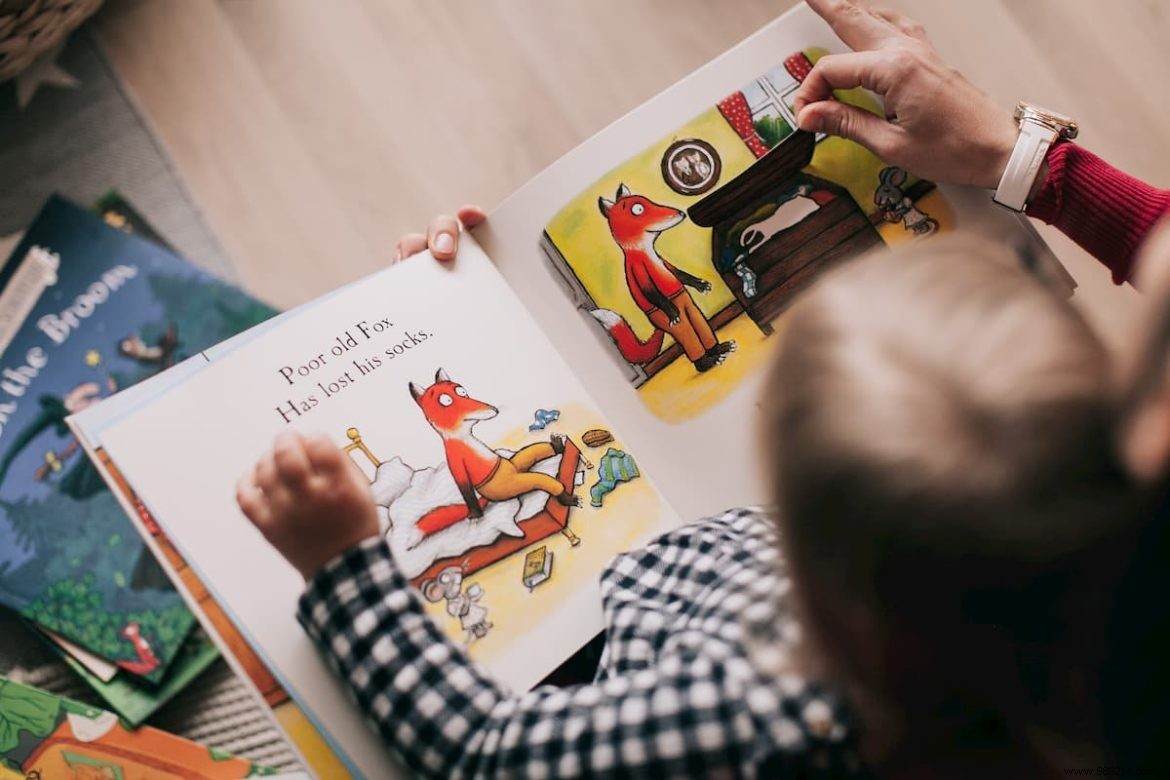
Look for books with beautiful, realistic illustrations where characters and objects are proportionally accurate relative to each other and their surroundings. For example, birds should be smaller than people, and people smaller than cars. This satisfies a child's innate need for order.
Avoid books with distorted proportions, like oversized heads on tiny bodies, which can confuse or even frighten children by straying from reality.
Steer clear of stereotypes, such as linking girls exclusively to pink or princess tales, which can subtly shape identity.
Choose stories featuring diverse characters across gender, nationality, and backgrounds to broaden your child's worldview. Equally valuable are books that gently impart simple life principles, even with a touch of whimsy, helping your child absorb positive values as they grow.
With these guidelines—rooted in Montessori practice—you can build an enriching library. Remember, perfection isn't required; balance is key to nurturing healthy development without guilt.
