Children brim with boundless energy—ours are no different. With two boys just three years apart and occasionally clashing personalities, we've sought practical ways to guide them.
Contents 1 Sophrology 2 Calm, voluntary, available 3 The main emotions 4 Sophrology exercises 5 Our opinion on the bookAs experienced parents, we've explored sophrology, meditation, and yoga to help our children channel their emotions effectively—without suppression. The goal? Equip them with tools for emotional regulation and resilience.
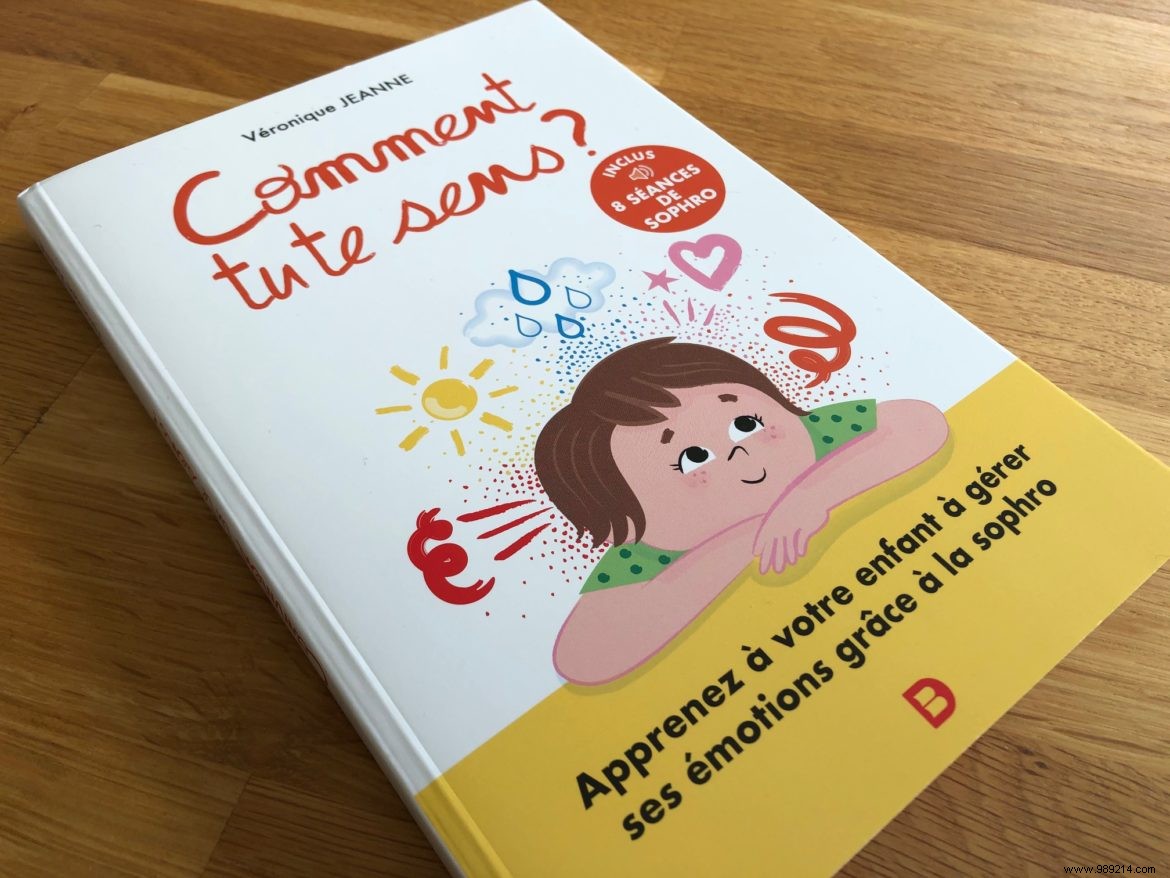
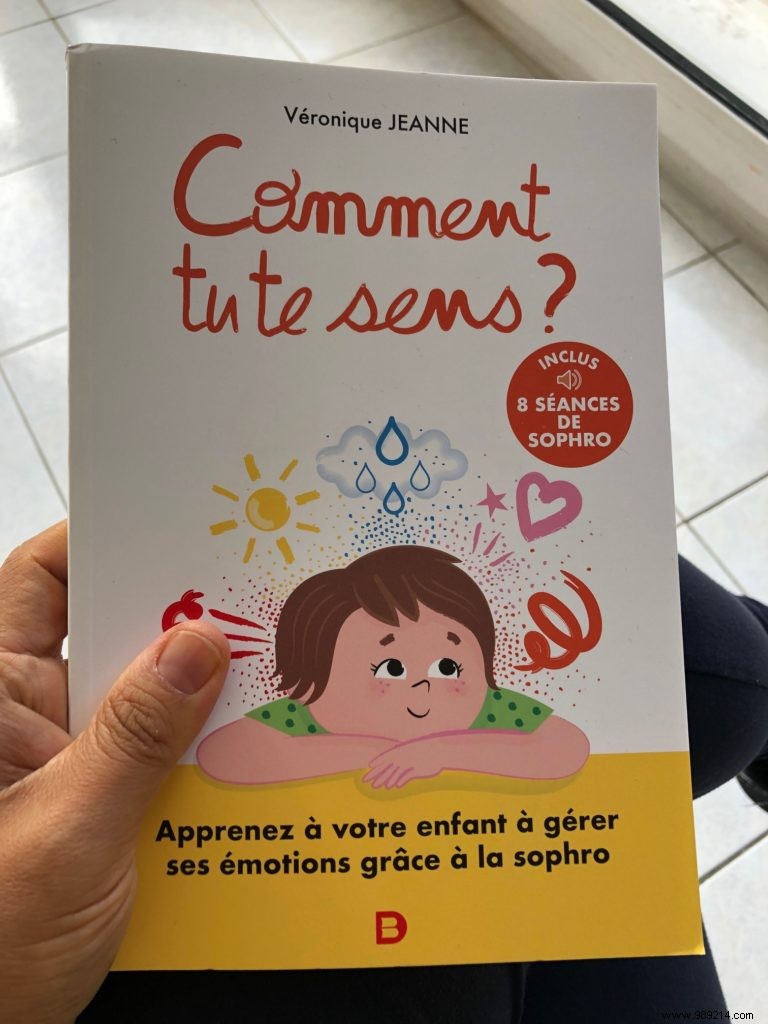
One standout resource is How Do You Feel? by Véronique Jeanne, a practical guide introducing sophrology in a fun, child-friendly format. Backed by the author's expertise, it teaches kids to identify, name, understand, and embrace their emotions.
Sophrology is a proven personal development method fostering serenity, well-being, and present-moment awareness. For children, it builds self-confidence through imaginative, playful activities—simple to integrate into daily routines, as we've found in our practice.
Success with children's sophrology hinges on timing. Choose moments when your child is calm, willing (frame it as a game), and undistracted. Both you and your child need dedicated time, approached with patience for lasting benefits.
Véronique Jeanne identifies four primary emotions, each vividly illustrated:
The book features eight guided sessions (access audio via QR code). Tailored to specific emotions, they include:
Each combines body movements with imaginative journeys for engaging emotional exploration.
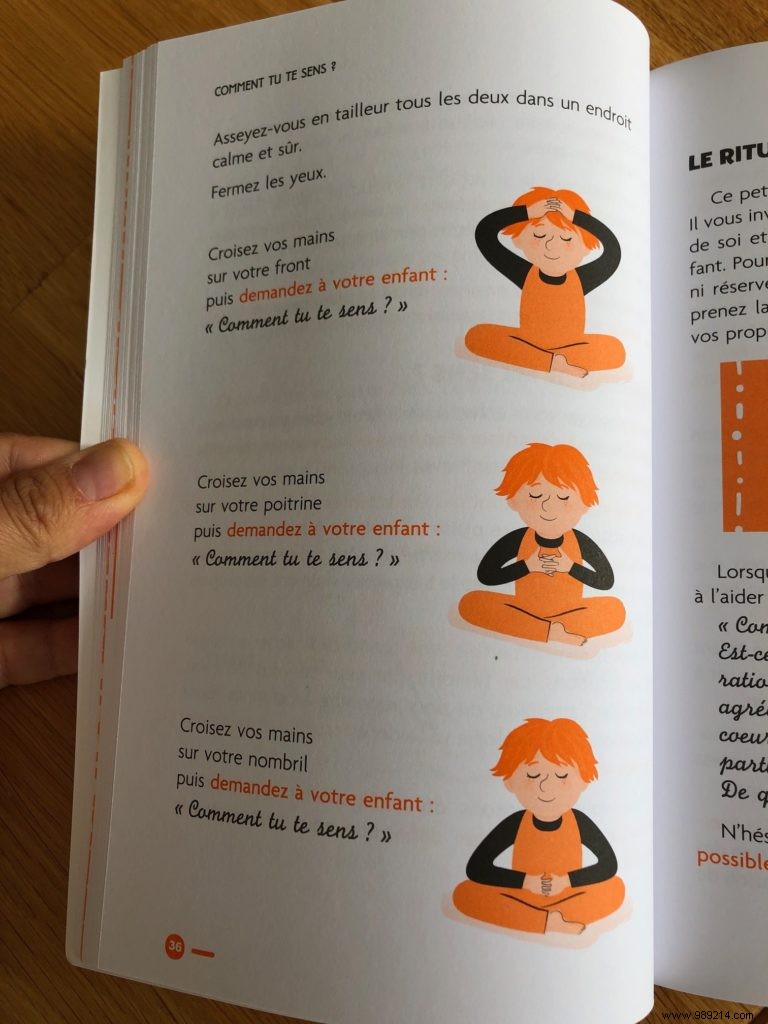
As parents who've tested mindfulness tools, we appreciate how this book demystifies sophrology for kids. It transforms complex practices into games, making adoption easier. The introduction clearly outlines benefits for family emotional health and personal growth.
While channeling active children takes consistency, the rewards are immense. We've started incorporating these exercises and value the framework for the four core emotions—a reliable reference in our parenting toolkit.
