For high school students, a reliable calculator is indispensable for tackling math with confidence. Selecting the wrong model could spell trouble during exams. Our buying guide outlines key criteria to help you find the perfect one.
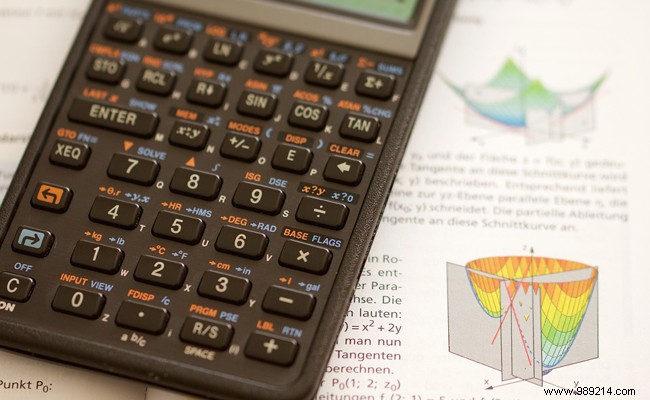
Entering high school makes a calculator essential for efficient mathematical work. However, regulations dictate the type you can use. It must feature "exam mode" to prevent cheating. Modern calculators boast advanced capabilities like 1 GB memory, WiFi, or Bluetooth, but these are prohibited.
This rule took effect in 2019. Opt for models with no alphanumeric or programmable memory—or if they have it, ensure exam mode fully disables it. Memory must be erasable or neutralized, with no data transmission. Exam mode is indicated by a light signal and is non-reversible during tests.
Check packaging for "integrated exam mode" to confirm compliance.
High school recommends two types: scientific and graphing. Scientific calculators handle exponentials, equations, and statistics shortcuts, suiting all subjects. Graphing models advance further with larger memory for plotting equations, histograms, and curves on spacious screens.
Avoid sophisticated financial calculators—they're pricey and unnecessary at this stage.
Choose durable models from trusted brands that last through high school and university. These established leaders ensure reliability backed by decades of expertise.
Budget matters: Scientific calculators range from €15 to €40. Graphing from €60 to €150. Financial models cost €100–€200. For value, scout deals on peer-to-peer sales sites.
