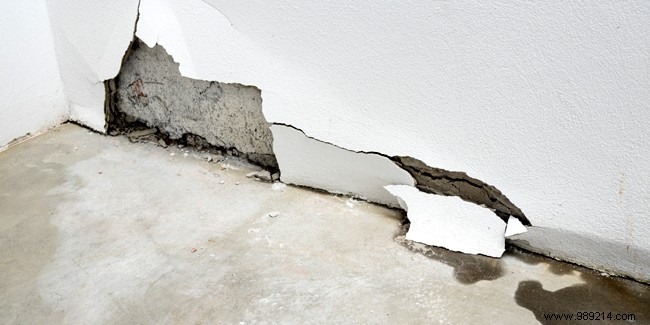
Water damage can strike any home unexpectedly, making it the most common residential insurance claim. Whether from leaks, pipe bursts, or infiltration, acting swiftly minimizes damage and streamlines your insurance process. As home insurance professionals with years of guiding homeowners through claims, we recommend these proven steps before contacting your insurer.
Water damage often stems from leaks, poor pipe maintenance, faulty fittings, or construction issues. Start by identifying the source: Is it from your home, a neighbor's unit, or shared building areas?
If it's not from your property, notify the responsible party or building management right away.
For leaks originating in your home, shut off the main water supply immediately to halt further flow. Also, switch off your electricity at the breaker to prevent electrocution risks.
Next, safeguard undamaged furniture and appliances by moving them to dry areas.
For significant floods from pipes or equipment, call a licensed plumber urgently. Pay upfront and seek reimbursement later based on your policy coverage.
Quickly mop up water, dry affected items and rooms, and ventilate thoroughly to combat humidity and prevent mold. In colder months, crank up the heat to aid drying.
Document everything: Take clear photos of the damage and affected items for your claim.
After containing the damage, declare the incident to your insurer within 5 days. Note: Home insurance is optional for owner-occupiers but mandatory for renters.
Submit via phone, online form, or registered letter with acknowledgment of receipt. Include a loss report with your details, policy number, date/time of incident, precise description (cause, location, circumstances, observed damage), photos, invoices, and warranties.
If your damage affects neighbors, common areas, or stems from another property, complete a joint amicable report with involved parties. Share copies with all insurers and affected individuals to expedite processing.
For claims over €1,600, an expert assessment may be required—avoid repairs until after their visit.
Indemnities are typically paid within one month, based on your coverage.
