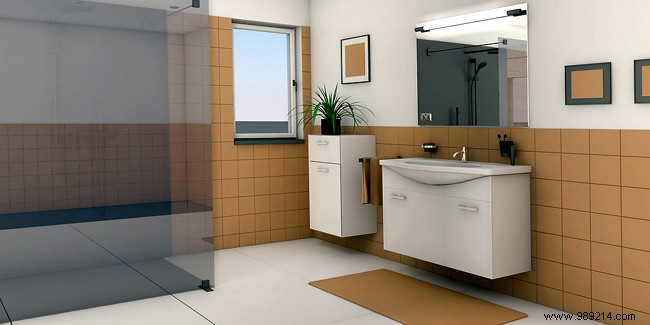
As we age, bathrooms often become less accessible, posing the highest risk of falls due to slippery, wet floors and humidity. In addition to non-slip surfaces like tiles, expert layout adaptations can make this essential space safer and more supportive of seniors' well-being and autonomy.
Proven solutions ensure bathtubs remain usable throughout the years:
Alternatively, consider replacing a standard tub with a walk-in model featuring a low-entry door to eliminate high steps.
Showers with raised trays can be tricky for seniors. A walk-in Italian-style shower is ideal, but practical aids make any setup workable.
Shower benches support prolonged standing, with space-saving folding designs available. Wall-mounted grab bars are essential for stability and fall prevention.
Position sinks at an ergonomic height for seniors. For wheelchair users, ensure open space underneath. Swap standard faucets for lever-style mixer taps, which are easier to operate with reduced dexterity.
Adapting the bathroom is crucial as mobility naturally declines with age. While renovations involve costs, various financial aids and grants can help fund these vital safety upgrades.
