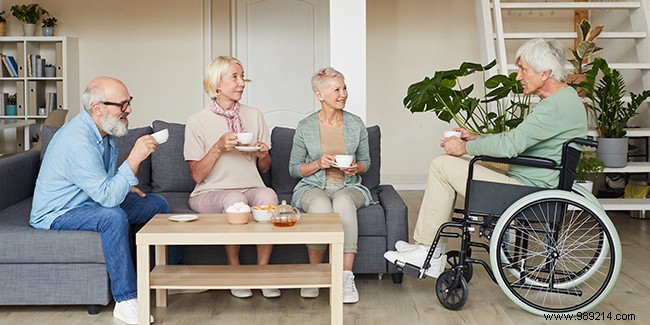
We've extensively discussed intergenerational shared housing, where seniors invite students into their spacious homes to combat loneliness and foster solidarity. Now, a growing trend is emerging: coliving among seniors themselves. At first glance, returning to communal living in later years might seem counterintuitive—after all, isn't retirement about personal independence and family focus in a society that prizes individualism? Yet, for many, this model offers compelling advantages backed by real-world examples across Europe.
As experts in senior care trends observe, aging often brings declining mobility and cognition, making solo living risky, especially post-spousal loss. Retirement homes, with their rigid routines and infantilizing atmosphere, aren't ideal for everyone. Senior coliving strikes a balance: it preserves autonomy through private spaces while leveraging communal support from peers facing similar challenges—unlike intergenerational setups that can spark misunderstandings.
This fosters security; residents know help is nearby during health issues—unity truly is strength. Loneliness, a major threat to elderly mental health and a driver of depression, is mitigated through shared routines like communal dinners, group outings, and casual chats. Retaining private areas ensures independence, evoking the communal vibes many experienced in the 1960s and 1970s.
Financially, it's a game-changer, much like student coliving. Dividing a large home slashes costs compared to standalone properties or many retirement facilities. Shared chores and, in rural setups, garden maintenance amplify savings. High-end options remain cheaper than equivalents.
Societally, it extends independence, easing burdens on social services. Some view it as revitalizing rural villages by keeping active seniors engaged in communities, rather than isolating them in institutions.
Pioneered in Germany amid acute aging demographics, senior coliving is gaining traction in France, though slowly. Thérèse Clerc's Maison des Babayagas in Montreuil (93), launched in 2012, exemplifies this: 20 women over 60 live in self-managed 30-45 m² apartments with private kitchens and bathrooms, prioritizing autonomy and solidarity. Similar rare initiatives are sprouting elsewhere.
Organizing requires effort: sourcing property, securing loans, adaptations, and compatible housemates—often pre-existing friends or couples. Networks exist but are underdeveloped in France versus Nordic countries. It's best for proactive, healthy seniors anticipating needs. Hiring shared staff for cleaning or care is common, but the key is harmony: you control your home's rules.
For those daunted by DIY setups, specialized providers simplify it. Small networks target affordable rural homes (rents ~€1000 including staff), while larger firms manage hundreds of serviced residences akin to compact retirement homes.
Private rooms plus shared spaces, 24/7 caregivers, and accessibility features come standard, with costs shared for savings. As senior living booms, options span budgets and needs.
That said, coliving at 70 demands more caution than at 20. Long solo living can foster incompatible habits; personalities must mesh. Community life requires responsibility—noise, hygiene, rules—to avoid tensions. Clear agreements are essential, as issues amplify with age. Proceed thoughtfully for lasting harmony.
