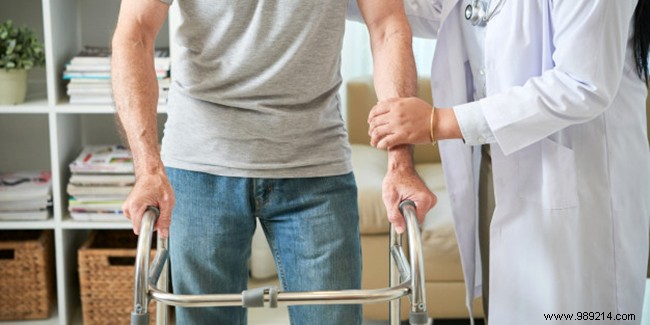
SSR (Soins de Suite et de Réadaptation) facilities primarily serve individuals post-hospitalization, as well as those at home or in specialized settings who require targeted care due to loss of autonomy. While most patients are seniors and adults, specialized SSR units also cater to children and adolescents. Their core missions include rehabilitation, recovery from new physical or sensory impairments, and preparing patients for a safe return home.
France hosts approximately 1,700 SSR establishments—formerly known as convalescent homes—that mainly support adults and seniors needing reeducation or rehabilitation after health events leading to autonomy loss. The goal is to enable them to resume daily activities independently and return home or to their prior living arrangements.
With France's aging population, demand for SSR services has surged, focusing on restoring functional independence so patients can remain at home longer rather than moving to long-term care. Many facilities now feature dedicated geriatrics departments to meet this need. Attendance has steadily risen since the mid-2000s, with an average stay of about 36 days.
SSR facilities treat around 1 million patients annually, with an average age of 75. These are typically small units capped at 80 beds, operating as public, private nonprofit, or for-profit entities.
SSR care is usually delivered in dedicated facilities via full-day stays, customized to individual requirements and durations.
To address rising patient volumes and diverse conditions, SSR operations have evolved. Depending on health status, social circumstances, and isolation risks, physicians may prescribe daytime care (with evening discharge home), fully at-home services, or shorter sessions—without requiring a full day on-site. The prescribing doctor determines the most suitable format.
Partial hospitalization now accounts for 15% of SSR hospital days, per the Ministry of Health.
Facilities have also specialized by pathology for efficiency, offering programs for multipurpose care, nervous system disorders, cardiovascular issues, respiratory conditions, musculoskeletal problems, and more.
Facing growing demand from an aging population, these often small-scale SSR units grapple with financial pressures, as noted by the Ministry of Health.
A financing reform is underway to better compensate services and ensure sustainable revenue for these vital centers supporting rehabilitation and autonomy recovery, especially for seniors.
