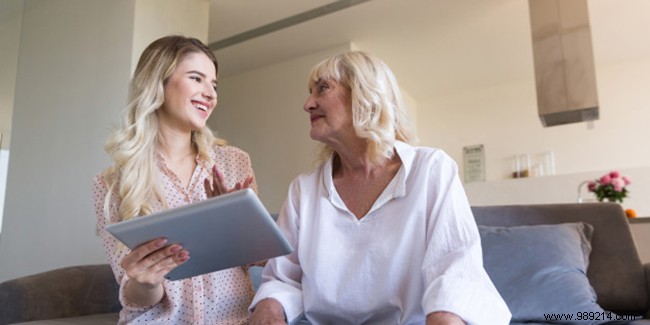
As experienced professionals in elderly care, we know the retirement home animator plays a pivotal role in enhancing the lives of seniors. These dedicated experts organize, lead, and facilitate activities that promote socialization, autonomy, and well-being among residents. By fostering adaptation, communication, creativity, and self-expression, animators create meaningful engagement opportunities.
Animators design diverse workshops using proven techniques, such as:
The gold standard is the State Diploma in Animation Functions (DEFA), accessible to adults over 18 with prior animation experience. Offered at state-approved institutions, programs include rigorous admission tests to ensure candidate readiness.
Core training spans 800 hours across five key units, followed by a full year of hands-on practice as an animator and an additional 200 hours of specialized modules. This comprehensive approach builds practical expertise trusted by care facilities nationwide.
Upon completing the full program, candidates defend a thesis in a final exam. The diploma, issued by the Ministry in charge of Social Affairs and the Ministry for Youth and Sports, opens doors to retirement homes, community centers, and beyond, serving as a foundation for advanced careers.
With three years of experience, animators can pursue the State Diploma for Animation Directors and Project Development, qualifying them for leadership in sports, social, or cultural organizations. After five years, the DEIS (State Diploma in Social Engineering) enables roles like:
In public facilities like local authority services for the elderly, salaries follow private sector collective agreements. Entry-level gross monthly pay (excluding bonuses) ranges from €1,600 to €1,650. Seasoned professionals at career's end earn €2,600 to €2,800 gross, plus premiums.
Private homes lack a uniform status, relying on collective agreements for pay. Animators can negotiate salaries based on diplomas, training, and experience, reflecting their proven value in resident-centered care.
Top animators are dynamic, motivated, and genuinely passionate about working with seniors. They excel at active listening, building relationships with residents and families, and adapting activities to individual needs. Responsibility, teamwork, networking, and autonomy are essential, especially in smaller facilities.
Demand remains strong as EHPADs and care homes expand amid population aging. This future-proof profession offers clear paths to coordinator roles in gerontology after years of impactful service.
