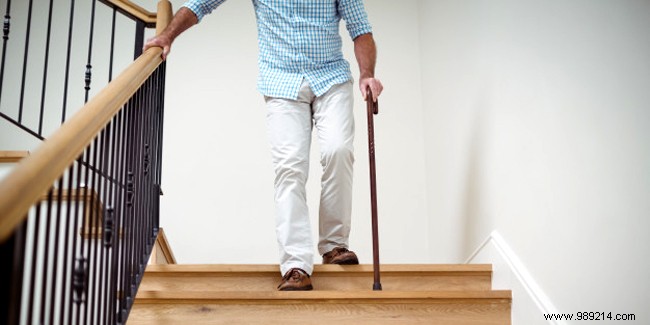
As we age, adapting our homes is often crucial to maintaining independence and safety. This might mean installing accessibility aids, mobility equipment, or safety features—such as bathroom modifications—to make daily living easier. These upgrades can be expensive, but French public authorities provide a targeted tax credit for equipment works for the elderly or disabled, helping to offset costs and support aging in place.
Taxpayers undertaking equipment works in their primary residence (completed or under construction) to address loss of autonomy or disability can claim this income tax reduction.
Eligibility requires French tax residency, with works performed in your main home—defined for tax purposes as your residence on December 31 of the income year, or your effective and usual place of residence if you have multiple homes in France.
You must also meet one of these criteria: receive the Personalized Autonomy Allowance (APA), a work-related disability pension of 40% or more, a military invalidity pension of 40% or more, or hold a Mobility Inclusion Card.
Works must be completed by December 31, 2020, and performed by the equipment supplier. This credit applies to works done over any five-year period since January 1, 2005.
Report 2020 expenses with your 2020 income declaration in April 2021.
Tip: While not required upfront, retain all invoices and proof of payment, as tax authorities may request them later.
The credit equals 25% of qualifying expenses (including VAT and labor costs).
Deduct any other grants or subsidies from the eligible expense amount before calculating.
Annual caps apply: €5,000 for singles, €10,000 for couples filing jointly, plus €120 per dependent child. These limits cover total expenses over five consecutive years.
This credit covers expenses in your primary residence for sanitary equipment, safety enhancements, and accessibility improvements.
Examples of sanitary works: adjustable-height sinks or washbasins, wall-mounted shower seats, raised toilets, thermostatic mixers, or walk-in showers for reduced mobility.
Accessibility items include: handrails, grab bars, ramps, adjustable furniture, motion-sensor controls, alarms, automated door/window systems, motorized shutters/gates, non-slip flooring, and more—all designed to ease daily life for seniors or those with disabilities.
