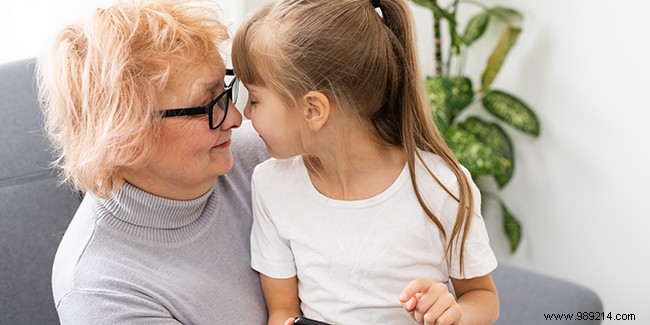
Grandparents typically enjoy a distinct relationship with their grandchildren—one that's more relaxed and affectionate than the parent-child dynamic. Free from demands of strict impartiality or discipline, they often form deeper bonds with certain grandchildren due to personal affinities or life's circumstances. In many families, one grandchild stands out, receiving extra praise and attention that eclipses others' achievements.
Even parents sometimes quietly favor one child, though admitting it is rare. For grandparents, openly acknowledging a favorite is less taboo. A joint study by UK parenting sites Mumsnet and Gransnet found that 42% of grandparents surveyed openly admitted to having a favorite grandchild.
Preferences can stem from various factors: the youngest grandchild, the only boy or girl among cousins, a "mirror" child who resembles them most, or one who reignites long-dormant parental instincts. Geographical proximity plays a big role, as does frequent contact—common in single-parent families where grandparents willingly step in, strengthening natural affinities. Some grandparents offer extra affection to a grandchild they see as needing it more, while others delight in a boy carrying the family name.
Justified or not, these preferences are hard to control, much like personal tastes. Parents rarely challenge them—only 25% admit their own favorites, per the same study, and intergenerational dynamics make it even less contentious. Preferences may emerge prenatally, through personal affinities, or proximity, often openly displayed at holidays or daily interactions without guilt.
It often affects the parents' generation most, stirring old insecurities—like middle-child syndrome—or reopening family wounds. Explaining this to your own child can be tough when it echoes your past.
For grandchildren, it depends on context. Little reason for jealousy if the favorite lives nearby or benefits from understandable support, like post-divorce stability. But overt favoritism—unequal gifts, gender bias belittling girls' achievements, or ignoring step-grandchildren—can breed frustration and resentment, especially with parallel rejection.
Don't fight natural affinities; the grandparent-grandchild bond is more like friendship than obligation. Repressing preferences for forced equality is unrealistic.
If harmful, gently remind grandparents their favorite shouldn't diminish others. Many don't see the damage, believing they treat everyone equally.
Help affected grandchildren by explaining grandparents are imperfect humans with biases—not reflections of their worth. Avoid guilt; it's not their fault. Preserve ties to prevent worsening divides.
Parents must first address their own resentments—watching history repeat can prompt healing therapy.
