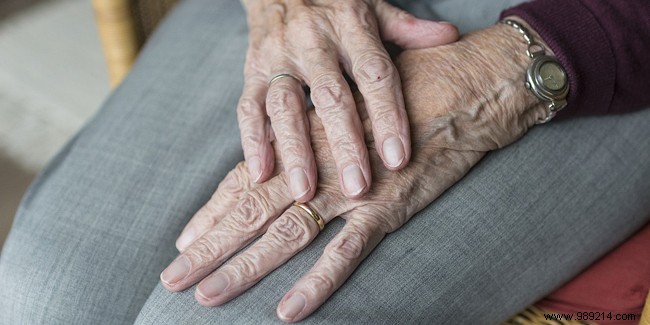
France currently has 1.5 million people aged 85 and over, a number projected to reach 4.8 million by 2050. About 10% of those over 75 reside in EHPADs (accommodation establishments for dependent elderly people). Nearly two-thirds of institutional residents are 85 or older. What does life look like for these very elderly individuals? How can we best accompany them and support their caregivers?
Extreme old age is marked by advanced age and varying levels of autonomy, typically beginning at 85. From this age, health often declines further—women commonly face bone and joint issues, while men deal with cardiovascular diseases and diabetes—and dependency rises. According to the Ministry of Solidarity and Health, one in five people over 85 is dependent. This is why most cannot live independently at home and enter specialized facilities: 21% of those over 85 require this, comprising 60% of residents.
For the very elderly still at home, health deteriorates significantly with age. Insee's latest "France, social portrait" reports that 39% of those over 85 at home experience severe activity limitations. "The share of people [living at home] declaring a poor or very poor state of health increases steadily with age, rising from 9% of 65-74 year olds to 25% of 85 year olds or over," the study notes.
Beyond physical challenges, many—especially women—suffer psychological distress from isolation and a sense of societal uselessness. Mental health declines due to physical limitations and reduced social interactions.
Around 4.3 million people (62% women) provide regular non-professional aid to elderly relatives: 44% spouses, 13% parents, 14% other family, 17% friends or neighbors. At-home support includes shopping, cleaning, personal care, medical appointments, administrative tasks, outings, or arranging care home placement. Caregivers also offer vital emotional support.
Remember, aging isn't a disease, despite associated frailties. Treat your loved one with respect and attentiveness, especially if cognitive faculties wane. Stay vigilant for depression signs, which are common in seniors.
Supporting someone losing autonomy is demanding and transformative, risking caregiver burnout. Resources abound: local elderly information points, sites like Company of Carers, With Our Loved Ones, Helping Attitude, or Aids Alzheimer. Associations provide training on caregiving roles and age-related diseases via "support and respite platforms."
The 2015 law on adapting society to aging aims for "a society where everyone can age well," enhancing daily life for seniors and families to promote independence.
It recognizes "close caregiver" status and the "right to respite." Since January 2017, caregiver leave allows paid time off, agreed with employers, to reduce work and aid a loved one.
