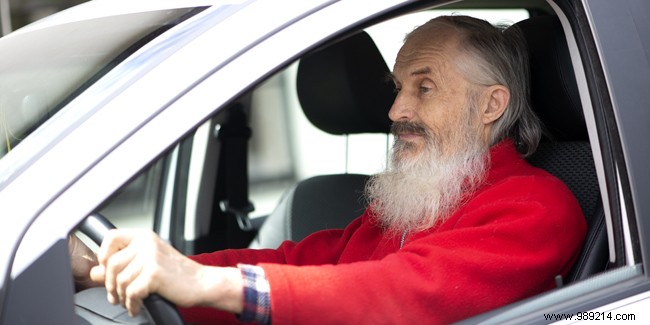
This topic often elicits uneasy laughter in families: grandparents turning into road hazards with forgotten turn signals, close calls with cyclists, or misread signs. We tend to joke about it until a heart-stopping moment—or tragic accident—strikes the headlines, like an elderly driver suffering a medical episode and veering into pedestrians or the wrong highway lane.
Road safety data shows seniors aren't the top cause of fatal crashes—they account for the fewest. However, these stats don't adjust for their lower road presence, limiting direct comparisons across age groups. When normalized by miles driven, seniors' accident rates roughly double compared to others. Declining vision, hearing, and motor skills undeniably heighten risks for some—not just to themselves, but to everyone else.
That said, age alone isn't the issue. An 80-year-old can drive capably, while someone in their 60s might face impairments making roads unsafe. A cognitive test falls short; only a practical driving assessment reveals true competence. Families must watch for red flags in loved ones' driving.
Most seniors recognize limits and adapt willingly—avoiding night drives, sticking to short trips, or adopting defensive habits like slower speeds and greater following distances. But a stubborn few deny decline due to pride or unawareness, endangering all. Here, intervene: discuss openly or, as a last resort, report to authorities for a mandatory driving evaluation.
Spot patterns in errors. Seniors' crashes often stem from rule violations like ignoring priorities or signs, unlike speed-related issues in younger drivers. This points to fading cognition needing split-second decisions. Observe: Do they spot and obey signs? Check mirrors? Signal properly? Note dexterity slips too—frequent stalling, parking struggles, or quick fatigue on longer drives.
Senses weaken too, especially vision critical for driving: sharper decline in acuity, glare recovery, field of view, and night adaptation. Add unseen threats like dementia or heart conditions, and risks soar. Consult their doctor, who should flag meds impairing driving.
Simple test: Do you feel safe as their passenger? Cold sweats or near-misses scream for action.
Challenging a loved one's independence is tough—they may deny despite evidence. But early talks beat post-accident regret. Gather corroboration from family, friends, neighbors, or even police. Approach with empathy to avoid defensiveness. Officials hesitate too, viewing mandatory exams or 'senior driver' stickers as discriminatory.
Don't push total driving bans unless medically required (not always age-linked). Favor adaptations like daytime-only or good-weather driving. Experts advocate graduated licenses to balance safety and freedom. Cars symbolize autonomy for seniors; quitting can erode motor skills, cognition, social ties, and mental health.
It's nuanced—not all seniors are risks, and blanket restrictions harm more than help. Empower self-awareness, tweak habits, and plan alternatives like robust public transit. Communities owe dignified mobility to aging residents without compromising safety.
