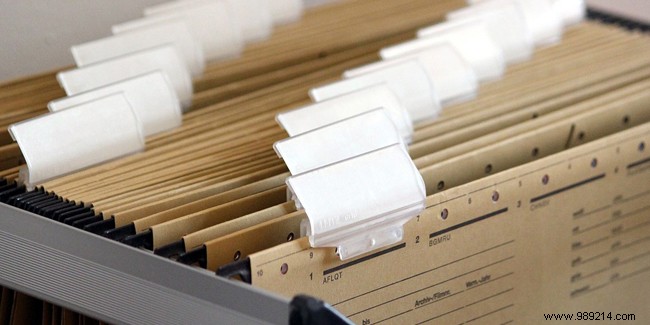
As the new year begins, many people take the chance to organize their paperwork. Key question: which documents must you retain, and for how long? Keep them only as long as required for claims or audits. Digital versions follow the same retention periods as paper ones. Here's a clear overview of standard retention rules for everyday administrative documents.
Most civil status and family papers should be kept permanently, including birth certificates, family record books, marriage contracts, divorce judgments, and adoption papers. Notices for family allowance payments can be discarded after 5 years.
Retain vaccination records, health cards, blood group cards, medical exams, and X-rays indefinitely. Health and maternity insurance reimbursements should be kept for 2 years. Health insurance providers set their own periods for other documents. Keep prescriptions for at least 1 year. Proof of daily allowance payments until pension rights are settled.
Homeowners: Keep title deeds for life. Co-ownership documents (charges payments, trustee correspondence, AGM minutes) for 10 years. Structural work invoices for 10 years; minor works and annual boiler certificates for 2 years. Chimney sweep certificates for 1 year.
Renters: Hold lease contracts, inventories, and rent receipts for the rental duration plus 3 years. Personalized housing aid (APL) payment certificates for 2 years. Electricity, gas, or water bills for 5 years (contest period). Phone, mobile, and internet bills for 1 year. Equipment return proofs (e.g., boxes, decoders) for 2 years.
Keep employment contracts, work certificates, and payslips throughout your career—they're essential for pension calculations. Work-related expense reports for 3 years (tax audit window). Account balance receipts for 6 months from signing. Unemployment benefit notices for 3 years, ideally until retirement.
Retain pension payment slips indefinitely, as they may be needed for survivor's pension claims.
Store bank statements and check stubs for 5 years. Bank loan contracts (property or consumer) for 2 years after the final payment due date.
Income tax returns and notices: 3 years from the year after the tax year. Local taxes (property, housing): generally 1 year; 3 years if relief, exemption, or abatement applies.
Insurance contracts: duration plus 2 years. Receipts, expiry notices, cancellation letters, payment proofs: 2 years from date. Life insurance and bodily injury documents: 10 years.
Vehicle purchase and repair invoices: during ownership, plus at least 2 years after resale (for hidden defect claims). Fine receipts: 3 years (Treasury collection period).
