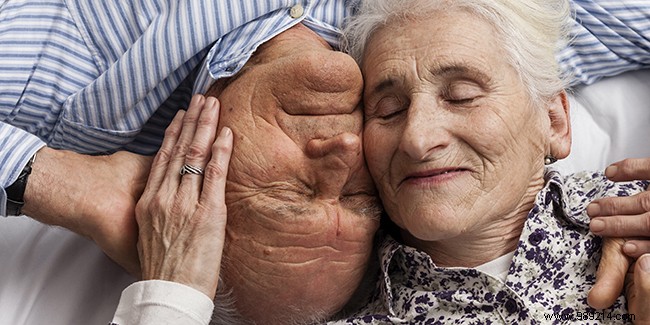
Love knows no age limits. Yet, discussions about senior sexuality remain a persistent taboo, even as older adults live longer, healthier lives. With acceptance of natural bodily changes, most seniors continue enjoying fulfilling intimate lives. The baby boomer generation (born 1946–1964), shaped by the sexual revolution, is poised to normalize these conversations in the coming years.
As experts in gerontology and sexual health observe, senior sexuality is still taboo. Rooted in Judeo-Christian traditions, our society often views non-reproductive sex as questionable or unnatural. Seniors are stereotyped as wise elders who should forgo carnal pleasures and intense romantic emotions.
Sexuality is closely tied to youth and desirability—a stereotype that endures, making it hard for younger generations to envision parents or grandparents feeling attraction. This stifles open dialogue, preventing seniors from discussing their desires freely, as they once did.
The taboo intensifies in care settings like retirement homes, where privacy for intimate moments is rarely prioritized.
Health conditions like fatigue, heart risks, dementia, or pain—not age itself—most impact sexual well-being. Physiological shifts in performance are normal and manageable with adaptation. Seniors must embrace their evolving bodies and appearances to sustain satisfying intimacy.
Recent medical breakthroughs, especially treatments for erectile dysfunction common in later years, have transformed lives. These innovations enable countless seniors to reclaim vibrant, fulfilling sex lives.
