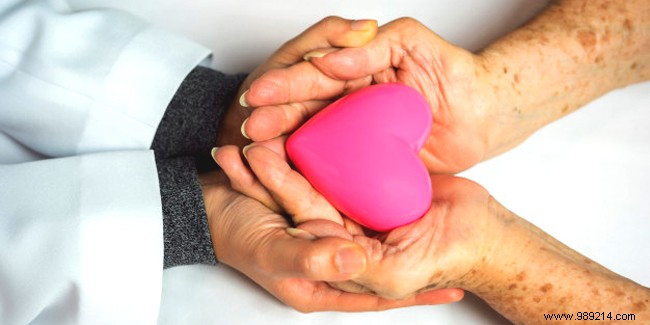
After death, you can choose to donate organs to save lives or your entire body to science for medical education and research. Organ donation assumes consent unless you've registered an objection. Body donation to science, however, requires explicit prior registration.
In France, the law presumes that everyone consents to organ donation after death, even without explicit prior statement. This covers organs and tissues suitable for transplant. To opt out, register your refusal on the National Register of Refusals at registernationaldesrefus.fr, managed by the French Biomedicine Agency under the Ministry of Health. Anyone 13 or older can register and revoke it anytime.
Alternatively, provide a dated, signed written refusal to a family member. If unable to write, two witnesses can confirm a third-party document matches your wishes, per the Biomedicine Agency. Oral refusals to relatives must be attested in writing by them.
At death, medical teams first check the national register. They then verify written or oral objections via family testimony or documents specifying full or partial refusal. Teams prioritize the most recent wishes and consult relatives.
To ease the process for medical staff and spare your family during grief, register your refusal in advance if opposed. As the Biomedicine Agency states, "Everyone is free to oppose organ donation, but you must make it known." This respects your fundamental right to decide.
If no objection exists, trained medical teams perform free-of-charge removals. Families cannot learn recipient identities, nor can recipients know donors.
Two independent physicians—not part of the retrieval team—must certify brain death. The body is maintained on life support while tests match organs to waiting recipients.
Post-removal, the body returns to family for funeral arrangements.
Adults can decide during life to donate their body for teaching and research at medical schools.
Unlike organ donation, this requires a handwritten, dated, signed declaration sent to a nearby university medical donation center. Find contacts via the French Funeral Information Association (Afif) website.
The center registers it, sends forms for details, and issues a donor card. Carry this card always; its original is needed for body transfer post-death.
Note: Schools may refuse bodies from accidents, suicides, or medico-legal cases.
Revoke anytime by destroying the card and notifying the center.
Bodies aren't returned; after use (months or years later), they're cremated. Ashes go to a remembrance garden or family if specified. Schools cover cremation/burial costs, except usually transport.
