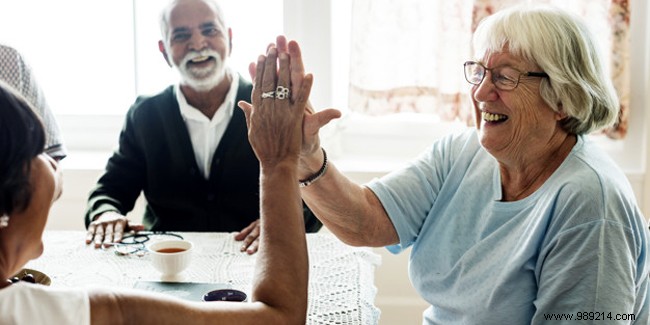
Marking the recent International Day of Older Persons, the association Les Petits Frères des Pauvres highlighted a stark reality: in France, 900,000 people over 60 experience isolation, with 300,000 in extreme cases—rarely seeing family, friends, or neighbors. The good news? Proven solutions exist to help seniors rebuild connections. Here are five practical, effective ideas drawn from real-world programs and expert insights.
Isolation in seniors often stems from distance from loved ones, reduced mobility, or financial constraints that limit leisure. Yet even those with modest means can benefit from simple outings.
Short walks, when mobility allows, open doors to casual chats with neighbors or shopkeepers, easing loneliness. For those needing support, many municipalities offer volunteer-led services. These dedicated companions visit, escort seniors on outings, and provide meaningful conversation to brighten their day.
For seniors weary of solitude at home, specialized housing provides reliable social engagement.
EHPADs (accommodations for dependent elderly) cater to those with mobility challenges, featuring organized group activities that foster new friendships and combat isolation.
Independently mobile seniors might opt for a foster family, integrating into a welcoming household—often with other residents—for a taste of family life, especially valuable when personal ties are distant or absent.
Intergenerational housing blends ages in one space, creating natural bonds that banish isolation.
Seniors can host students in their home, gaining companionship, lively energy, and help with daily tasks while sharing wisdom and stories.
No need to leave home—digital tools offer instant connection. Internet and social platforms help maintain ties with family and friends, or join interest-based communities.
Beyond relationships, the web unlocks endless entertainment, learning, and discovery, keeping minds active and spirits high.
For autonomous seniors, adopting a pet like a dog or cat delivers unconditional affection and routine, sparking interactions with others during walks or vet visits.
Associations even provide part-time pet visits for those unable to manage full care, offering comforting presence without the daily responsibilities.
