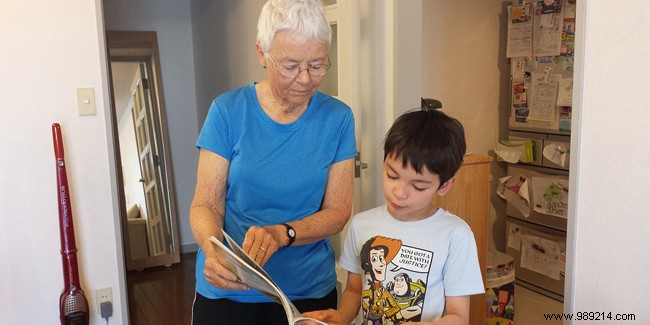
Grandparents' visitation rights are fundamentally tied to the child's best interests. Under Article 371-4 of the French Civil Code, "a child has the right to maintain personal relations with their ascendants. Only the child's interest can limit this right. If the child's interest requires it, the family court judge determines the terms of the relationship between the child and a third party, whether parent or not." As long as contact benefits the grandchildren, grandparents retain their visitation rights. Here's what you need to know.
Grandparents may lose contact with grandchildren due to parental separation or arbitrary restrictions by parents. However, they hold a legal right to visitation when it serves the child's safety and well-being.
This right, clarified by a 2013 amendment to the Civil Code (Article 371-4) on parental authority, affirms a child's entitlement to personal contact with ascendants—including parents, grandparents, and great-grandparents. Even a child's expressed desire to see their grandparents justifies exercising this right.
Visitation typically involves daytime meetings, but it can extend to a few days per month, weekends, or vacations, depending on family dynamics. Meetings may occur with or without parents present, at home, or in neutral family mediation centers. These rights apply to both biological and adopted children, regardless of parental marital status.
To enforce visitation rights, grandparents can petition the family court judge at the regional court where the child resides—if relations with parents are severed, disputes arise, or mediation fails. Family mediation is recommended first to restore ties without court intervention.
The judge bases decisions solely on the child's best interests, tailoring solutions to the child's needs. If granted, the judge specifies the terms. Conversely, the judge may deny rights if they harm the child—such as in cases of grandparent violence, alcoholism, proven serious risks by parents, or toxic family dynamics disrupting the child's stability. A child's refusal to visit can also factor in. Grandparents have one month to appeal adverse decisions.
Court proceedings require a lawyer, incurring costs that may qualify for legal aid. The process often takes 18 months to two years.
