Denmark consistently ranks among the world's three happiest countries. A key part of its education system? Compulsory empathy classes for children aged 6 to 16—no skipping allowed.
This approach prioritizes cooperation over competition from an early age. Could it be a model for other nations? First, let's define empathy: the skill of stepping into someone else's shoes without judgment, viewing the world through their values.
Every week, for one hour, Danish students build these vital skills, learning to check on others' well-being, listen actively, and challenge personal biases.
Don't confuse sympathy, compassion, or empathy. As researcher Brené Brown explains, empathy means embracing another's viewpoint without judgment.
It involves recognizing emotions in others and acknowledging them, enabling you to "put yourself in their shoes" with supportive words and actions.
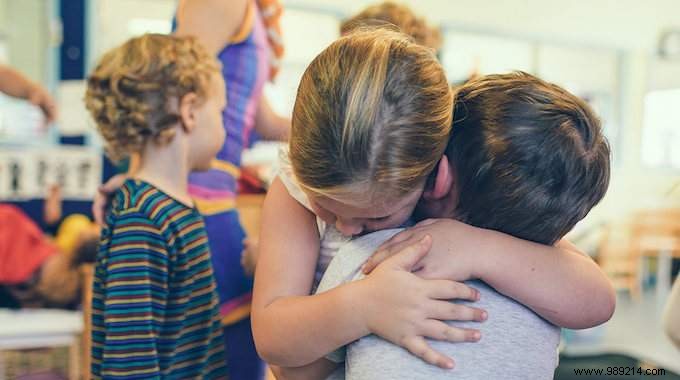
In these lessons, Danish children identify classmates' emotions using images depicting joy, sadness, fear, frustration, and anger. They describe these feelings in their own words and share how they resonate personally.
This fosters open emotional expression and attentive listening—without judging emotions or their causes. Focus remains on understanding others.
Jessica Joelle Alexander, co-author of The Danish Way of Parenting, notes this neutrality shifts emphasis from self-interest to genuine concern for others.

This cultivates solidarity and mutual aid. Unlike France's focus on individualism and economic success, Denmark emphasizes collective well-being.
Denmark's happiness stems from broader factors: smaller wealth gaps, no grades until age 13, and reduced competition. Kids aren't constantly comparing themselves.
Empathy classes reflect a culture valuing cooperation alongside achievement—taught in schools.
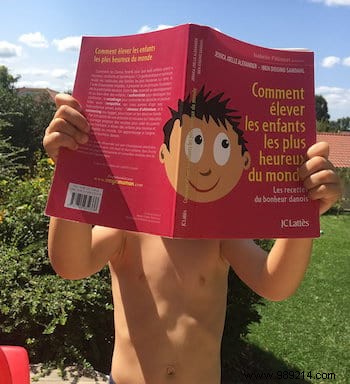
France, when will empathy join the curriculum? For deeper insights, read Jessica Joelle Alexander's How to Raise the Happiest Children in the World.