Helping your child succeed in school is a top priority for many parents. As a mom and former teacher with years of classroom experience, I've seen what works. Here are my six essential tips, drawn from real-life successes with my own kids.
School success depends on key habits and mindsets. From my experience, these are the must-haves:
Contents
Regularity forms the foundation of academic success. Unless your child is exceptionally gifted, short, consistent study sessions beat irregular cramming.
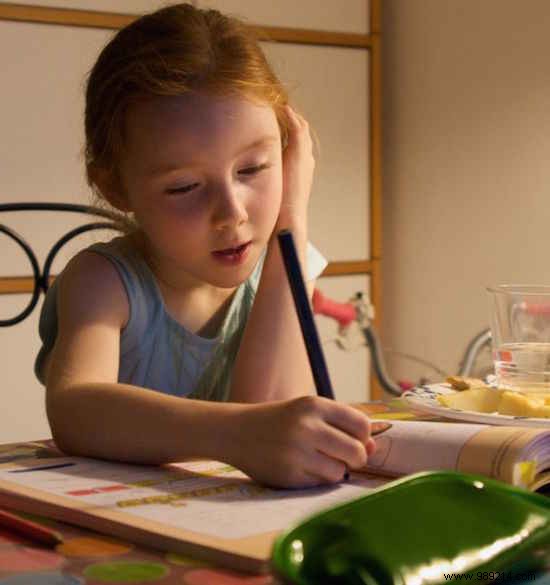
I guided my kids to tackle lessons and homework right after their afternoon snack—maximum 30 minutes in primary school, but every single day. This kept them ahead without burnout.
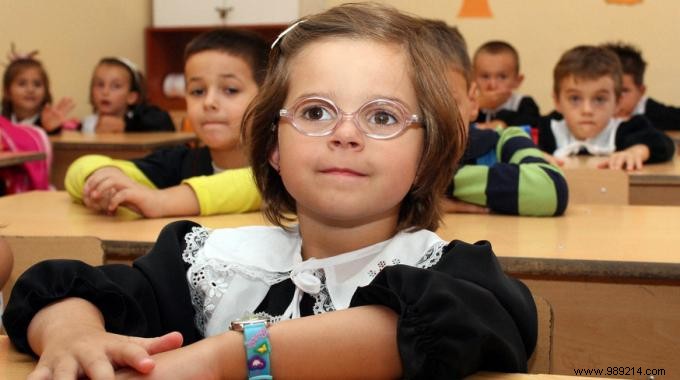
Kindergarten teachers emphasize this, and they're spot on. Parents play a crucial role: show genuine interest by asking about their day, meeting with teachers, attending parent meetings, hosting playdates with classmates, and volunteering at school events.
Your child needs to see school as a valued part of family life—one you support and enjoy too.

A strong, positive self-image unlocks potential. Parents and teachers hold the power: believe in your child and let them know it.
Celebrate their wins, and frame setbacks as normal steps in learning. This builds resilience I've witnessed firsthand.
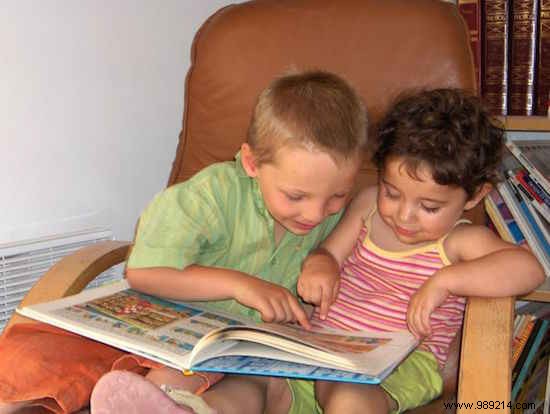
Think of this as a vital bridge between school and home. If private tutoring isn't feasible, enlist a big sibling, grandparent, or cousin.
After leaving teaching, I stepped back from direct instruction. Fortunately, my eldest child explained concepts to his little sister and helped her memorize poems—proving family support works wonders.
Foster curiosity and a love for learning tailored to your child's interests: museum visits, historical sites, family trips, library memberships, or sports clubs.
Not a museum fan myself, I bonded with my kids over book discussions and mountain hikes to identify wild plants. Any adventure sparks their wonder about the world.
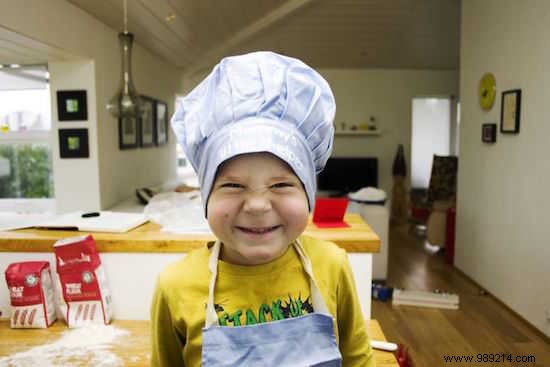
Show how school skills apply at home. My daughter penned our shopping list; my son counted coins for bread, calculating change for treats. They practiced handwriting and spelling on cards to Grandma.
These real-world ties make learning meaningful and memorable.
