Constipation in Children is more common than many parents realize, especially in young kids. It's often not chronic and responds well to simple strategies.
To better assess your child's situation, here are five practical, expert-backed tips based on pediatric guidelines.
Your child may be constipated if they have fewer than three bowel movements per week, and the stools are hard and painful.
Address it early to prevent it from becoming a chronic issue.

Your child's intestines are still developing and changing, which is completely normal.
However, this functional constipation can be quite painful for them.
If they're very young, they may not understand the discomfort, leading them to hold it in and worsening the issue.
Monitor stool frequency and your child's behavior closely.
If they're holding back out of fear, reassure them and provide gentle support.
If they have an accident from holding too long, avoid scolding— they might associate pooping with something "dirty."

The first step is softening stools to reduce pain. Opt for mineral-rich waters like Hépar.
Add prune or grape juice if they'll drink it. Limit dairy intake.
For milk-fed children, consult your doctor about switching to soy milk temporarily.
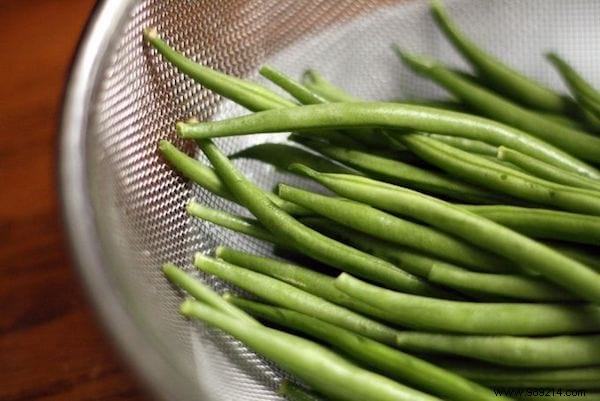
Prioritize fiber-rich foods like green vegetables, bran bread, apples, wholemeal pasta, lentils, beans, chickpeas, cabbage, turnips, spinach, salsify, red fruits, plums, and apricots.
Avoid chocolate as much as possible. If they love cocoa, choose Ovaltine for better transit support.
Use rice and bananas in moderation.
Has constipation become chronic (symptoms for at least three months in the past year)?
Gently help restore normal transit with occasional glycerin suppositories or homeopathic remedies like Ignatia or Hydrastis pellets—they're safe and non-addictive.
Consult your pharmacist. Water enemas via bulb syringe can work but may be distressing for young children.
Many children fear pooping due to the sensation or embarrassment.
Reassure them it's normal and celebrate their efforts.
If you're concerned and it's affecting them, see a pediatrician for tailored guidance.

If these steps don't help, underlying issues may be at play—consult your doctor promptly.
Share a list of what you've tried. They may prescribe a 4-6 month treatment with regular follow-ups.
Always prioritize balanced meals, hydration, and patience. Good luck—your child will thank you.
