
Is your child complaining of leg pain? It could be due to a growth spurt.
Growth spurts can cause intense, hard-to-bear discomfort in children. The good news? Simple, natural daily remedies can help soothe their pain and anxiety.
Here are my tried-and-true natural tips, drawn from years of helping families manage childhood growth pains:

Growth spurts typically affect children 3 to 6 years old, and then from 8 to 14 years. They impact preteens and teens, both girls and boys—the periods of fastest growth.
Thankfully, babies are usually spared these pains.
Pain often strikes the calves, thighs, and backs of the knees. Children might also report discomfort in an ankle, foot, or entire leg.
To identify a growth spurt:
- Pain appears especially at night, when growth hormone peaks during sleep.
- It affects the front parts of both legs, either together or one at a time.
- Episodes last a few minutes to an hour and resolve spontaneously.
Symptoms may include fever or extreme fatigue.
Medically, there are few solutions—growth pains often fade on their own. But this uncertainty can heighten a child's fear.
Start by calming their anxieties, as stress amplifies pain through nervous tension.
Reassure them: "Your body is growing strong, and everyone experiences this at some point."
In a quiet spot, gently massage sore areas or apply a hot water bottle while they rest.
For added relief, consider homeopathy like Arnica montana 9 CH: 5 granules twice daily (less than 2 € per tube). It provides comfort without risks.
Two natural options work wonders—choose one or alternate them, applying 2 to 3 times daily.
- Camphor massages: Rub painful areas with camphor alcohol or oil for a soothing warmth and relief. Not for children under 6.
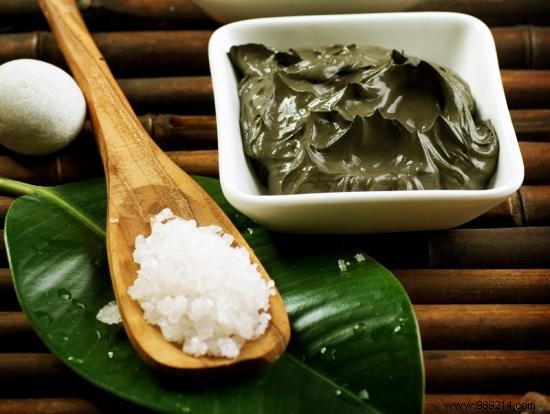
- Green clay poultices: Clay's relaxing, anti-inflammatory properties are invaluable. For the recipe, follow this link.
Growth pains are more common in very active children, underscoring risks of excessive or high-level sports.
During puberty, muscles gain power faster than bones finish growing. Intense activity causes muscles to strain cartilaginous bones.
Prioritize rest: reduce or pause physical activity for weeks or months.

Support your child's bones to keep pace with muscle growth. Boost calcium from dairy, spinach, lentils, chickpeas, anchovies, sardines, and salmon.
Add vitamin D to help fix calcium to bones—found in those fish, eggs, butter, calf's liver, and sunlight.
