
Research in child psychology reveals that well-intentioned phrases parents commonly use can unintentionally undermine children's self-trust, encourage minimal effort, or lead to giving up when challenged. Drawing from studies on emotional development and parenting expertise, here's a list of 10 phrases to avoid—plus proven alternatives to help kids build resilience, emotional control, and intrinsic motivation.
 Contents
 While "Well done!" feels like great motivation, it's often repeated for low-effort tasks. This conditions kids to seek external validation rather than value their own persistence, per insights from child development experts.
Try: "Wow! That wasn't easy, but you did it!" This highlights effort, teaching that trying hard matters as much as success and builds a growth mindset for tackling challenges.
Said with love, this can backfire. Kids link their "goodness" to compliance, fearing loss of approval and acting only for praise—not internal morals.
Say: "It's great when you listen!" Or, "I saw you share your toys with your friend." This focuses on actions, empowering kids to self-evaluate and choose behaviors independently.
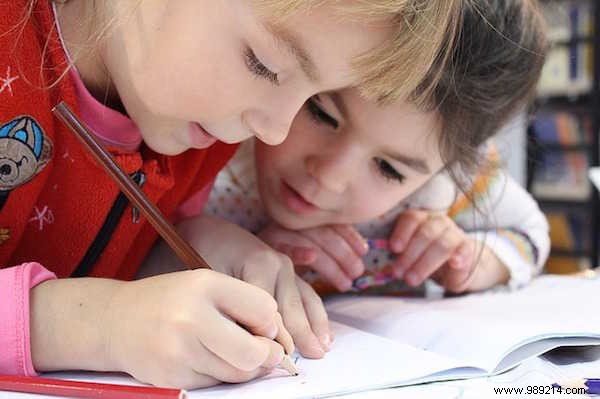
Giving your opinion robs kids of self-judgment, limiting their creative autonomy.
Observe: "I see red, blue, and yellow! Can you describe your drawing?" This invites self-assessment, fosters creativity, and respects their artistic intent.
Threats model unhealthy aggression and trap you: follow through and punish angrily, or bluff and lose credibility—neither builds trust.
Express vulnerability: "It's not okay to kick your brother. I'm worried you'll hurt each other. Hit a pillow or the sofa instead." This validates emotions, sets boundaries, and teaches healthy outlets for better self-regulation.
Bribes erode intrinsic motivation, turning cooperation into negotiation—kids may even reverse it on you.
Express gratitude: "Thank you for helping clean up!" Or remind: "Remember when you took out the trash? That helped so much!" Genuine thanks motivates naturally.
Praising innate smarts adds pressure—studies like Carol Dweck's show it makes kids avoid challenges to protect their "smart" label.
Praise process: "You worked really hard on that!" This values perseverance, encouraging tougher puzzles as growth opportunities.
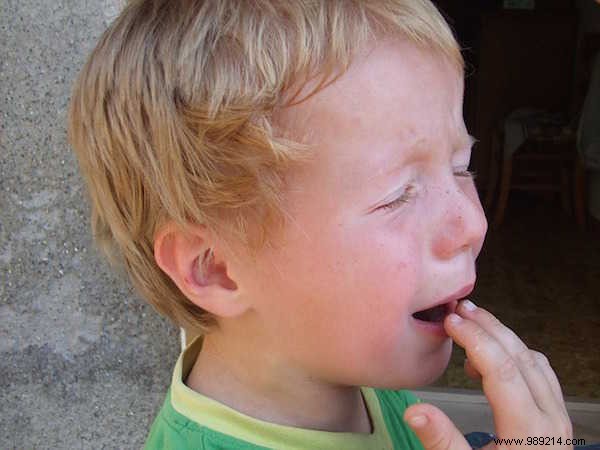
Dismissing tears implies emotions are wrong, risking bottled-up feelings and outbursts later.
Support: "It's okay to cry. I'm here—let's talk." Or name it: "You're disappointed about the park, right?" This builds emotional literacy for lifelong regulation.
Broken promises erode trust deeply, especially from unpredictable life events.
Be honest: "I'll do everything to make playtime with Mathieu happen, but surprises occur. I'll try my best." Follow through, apologize if needed—model integrity.
Kids' feelings matter hugely to them; minimizing invalidates emotions.
Empathize: "I know you wanted that, but not today." Or "You're disappointed, and the answer is no." This honors their perspective respectfully.
In the moment, this overwhelms kids, sparking defensiveness over reflection.
Probe gently: "Were you upset because friends ignored your idea?" This uncovers needs, reduces your frustration, and fosters understanding.
