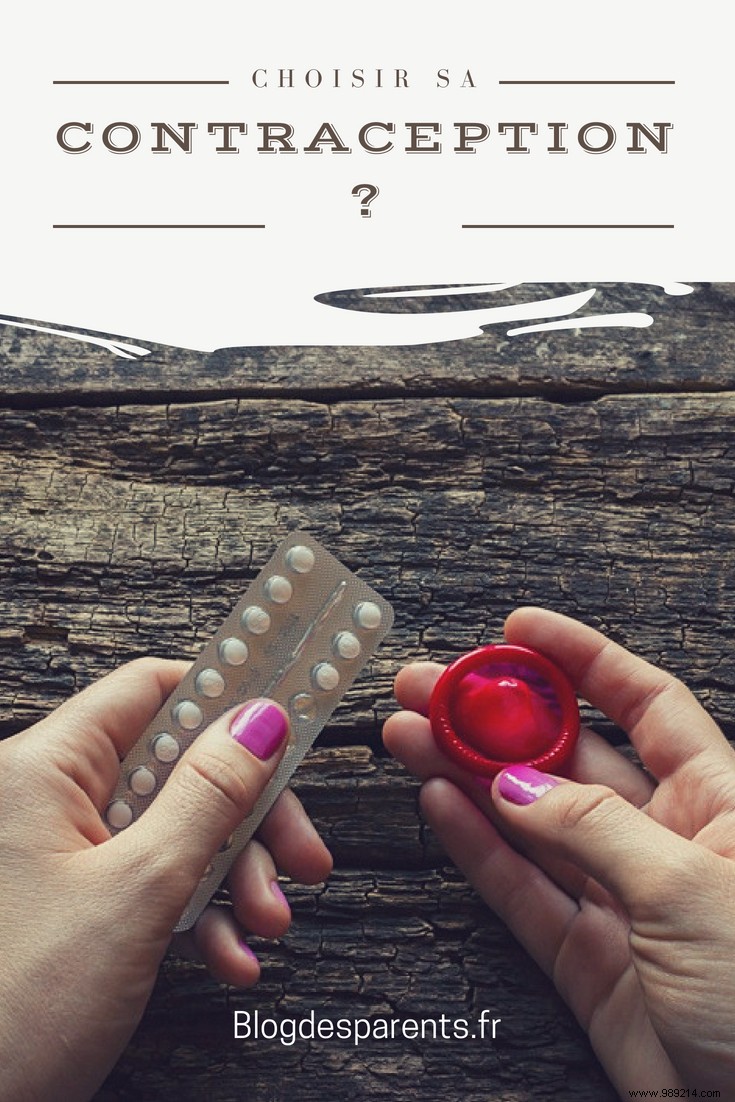
Contraception is a vital topic, often introduced during early adolescence when sexual activity may begin. Open discussions help prevent unintended pregnancies and empower informed choices. While stigma can make it feel taboo, understanding available methods—backed by medical experts—is key to selecting what suits your lifestyle. As trusted healthcare guidelines emphasize, knowing how each works ensures effective protection.
Contents 1 Contraception: let’s talk about it first! 2 The so-called "hormonal" contraceptive methods: the most widespread and used 2.1 The pill 2.2 The contraceptive implant 2.3 The intrauterine device or intrauterine system (IUS) 2.4 The contraceptive patch 2.5 The vaginal ring 2.6 Injectable contraceptives 3 The so-called "barrier" contraceptive methods 3.1 Condoms (male and female): double protection for proven effectiveness! 3.2 Cervical cap or diaphragm 4 Contraceptive methods without hormones 4.1 The copper IUD 4.2 Sterilization 4.3 What method of contraception have you opted for?Explore these proven contraceptive options recommended by gynecologists worldwide.
Whether planning for children or not, preventing unintended pregnancies and protecting against STIs is essential. Contraception involves temporary, long-term, or permanent methods to avoid unwanted pregnancy. Drawing from clinical data and expert consensus, we'll break down popular options to help you decide what fits best.
These include the pill, implant, hormonal IUS, patch, vaginal ring, and injectables. They deliver estrogen-progestin combinations or progestogen alone, primarily blocking ovulation and thickening cervical mucus to block sperm. With perfect use, they offer up to 99.9% effectiveness, though user error or hormonal changes can reduce reliability.
Chosen by over 20% of women and endorsed by medical specialists for its reliability and familiarity, the pill contains estrogen-progestogen (combined) or progestogen alone (minipill). Take daily—once a day, for 21-24 days monthly depending on type. Theoretical effectiveness: 99.9% with perfect adherence.
A small rod inserted painlessly into the arm by a clinician releases progestogen steadily. Lasts up to 3 years. Proven 99.9% effective for long-term convenience.
A T-shaped plastic device with hormones, inserted into the uterus by a professional. Effective for 3-5 years. 99.9% reliable with long-lasting protection.
A skin-adhesive patch like a nicotine one, delivering estrogen and progestogen through the skin. Visible but water-resistant and ideal for those who dislike pills. Apply weekly for 3 weeks, then 1 week off. 99.9% effective.
A flexible ring self-inserted deep into the vagina releases hormones monthly (3 weeks in, 1 week out). Proper placement is key; effectiveness: 99.7%.
Progestogen injections every 3 months by a clinician. 99.7% effective, a strong alternative when others fail.
These physically block sperm from the uterus. Combine diaphragms or caps with spermicide for best results. Only condoms protect against STIs.
Latex, polyurethane, or nitrile sheaths used every time. 95-97% effective against pregnancy; essential for STI prevention.
Latex or silicone devices covering the cervix, used with spermicide. Insert hours before sex; leave in 8 hours after. 91-94% effective.
Include barriers, copper IUD, and sterilization. Barriers block sperm; copper alters it; sterilization is permanent.

T-shaped copper-covered device inserted by a clinician, lasting 5-10 years. Best post-childbirth; 99.9% effective.
Surgical: vasectomy for men, tubal ligation for women. Generally irreversible; 99.9% effective, though rare failures occur.
To Conclude… Regular contraception tailored to your needs provides peace of mind. Consult a healthcare professional for personalized advice based on your health and lifestyle.
****