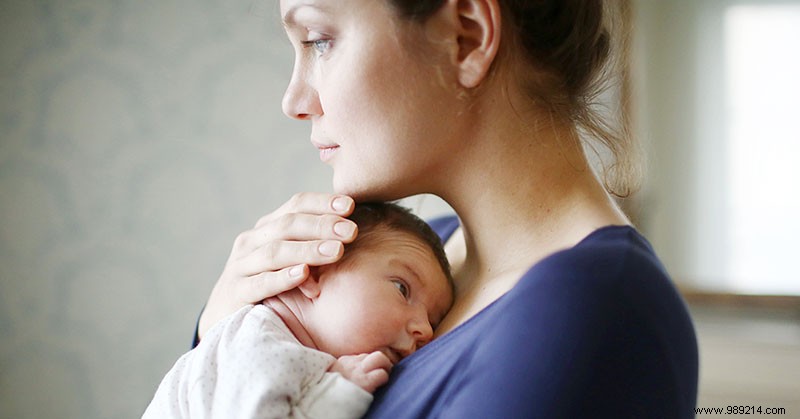
Experienced by many new mothers, baby blues—also known as 'third-day syndrome'—often strikes shortly after childbirth, especially when heading home from the hospital or in the final days of maternity leave. This emotional shift marks a major life change: expanding your family from two to three or four to five. While joyful, it disrupts routines significantly. Hormonal fluctuations play a key role, alongside individual responses. As a parenting expert with firsthand experience, I'll break down what baby blues entails, how to spot it, and positive ways to navigate the transition from career woman to full-time mom.
ContentsLet's dive into this common yet challenging phase and explore how to handle it without lasting emotional strain.
The arrival of a newborn transforms a woman's daily life overnight. New responsibilities, physical recovery, and psychological adjustments hit fast. At its core, baby blues stems from a sharp drop in pregnancy hormones like estrogen and progesterone, sending emotions on a rollercoaster—from laughter to tears in moments. Rest assured, this is normal and temporary.
Signs include sudden mood swings: a simple comment, even positive, might spark tears, anxiety, anger, or unexpected giggles. If this sounds familiar, baby blues is likely at play.
Reflecting on my own experience with my first child, I felt it intensely upon returning home from the maternity ward. Surrounded by loving family, I was overwhelmed with sadness, hiding constant tears and mourning the 'lost' early moments with my baby. Years later, it still tugs at my heart. To all new moms: give yourself time to adjust before the visitors arrive.
Baby blues typically emerges in the first few days postpartum, earning its 'third-day syndrome' nickname. With rest, support from partners, family, and friends, it resolves within days—no prolonged suffering.
However, vigilance is key. If symptoms persist beyond a week without improvement, despite support, it could evolve into postpartum depression—a more serious condition requiring professional intervention. Prioritize rest, open communication, and seek medical advice if needed to emerge stronger and more at peace.
Don't hesitate to voice your feelings post-birth. Overwhelmed by your newborn's gaze? Struggling to balance 'before' and 'after' life? Exhausted and vulnerable? The essentials are: communicate openly, delegate tasks, and rest.
Step back, breathe, and avoid overthinking. Affecting over one in three women, baby blues isn't inevitable—many sail through unscathed. But if sadness, crying, or helplessness arises, confide in your partner, parents, friends, or a healthcare professional for guidance. This approach works for both baby blues and potential postpartum depression.