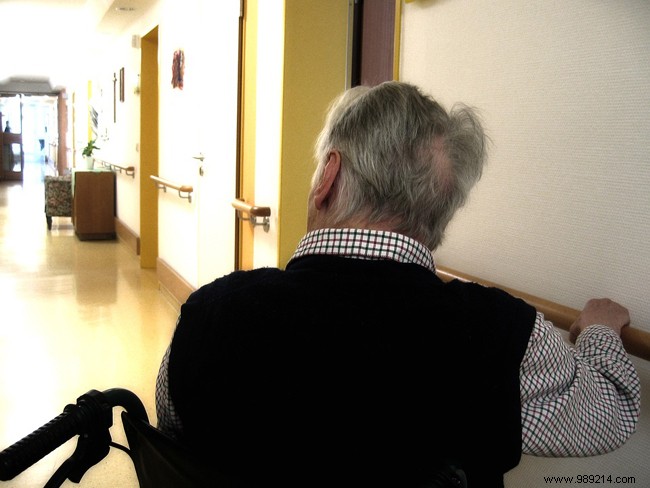
Retirement often coincides with transitioning to a senior living community. With diverse options available today, choosing the right one requires careful consideration based on your needs and level of independence.
If maintaining independence at home becomes challenging due to physical limitations, specialized retirement resources can guide your decision. For those experiencing a loss of autonomy, EHPADs (Établissements d'Hébergement pour Personnes Âgées Dépendantes)—or nursing homes for dependent seniors—are the most appropriate choice.
These facilities stand out for their medicalized care, supported by a multidisciplinary team including general practitioners, coordinating geriatricians, nurses, and nursing aides available 24/7. This ensures personalized medical attention tailored to each resident's health needs. Before committing, evaluate the quality and scope of this care to ensure it meets high standards.
Proximity to family is also key for regular visits. Avoid limiting your search to one facility—whether public or private, visit multiple options to compare value for money and services.
Even fully independent retirees may opt to relocate post-retirement to combat isolation or simplify daily life. Popular choices include autonomy residences and service residences:
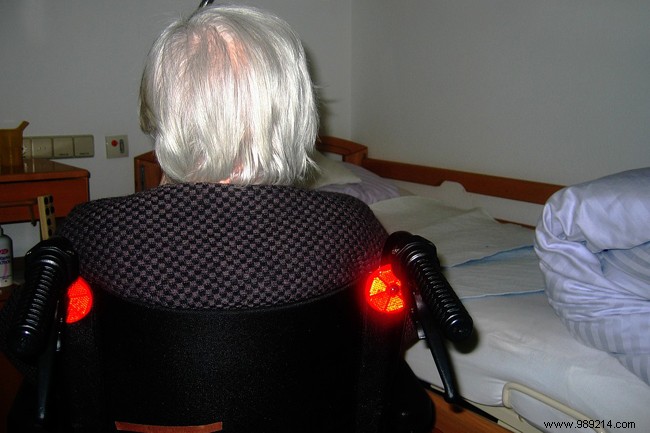
Designed for singles or couples, these communities are conveniently located near public transport and shops to ease everyday routines. On-site services like cleaning and laundry further enhance convenience. Apartments typically range from studios to T2 units, centered around shared dining and activity spaces.
Affluent seniors often prefer service residences for their upscale amenities. Similar to residential homes, these feature green spaces, leisure facilities, sports areas, and partnerships with home assistance providers like gardeners and housekeepers.
