As parents, we all want the best for our little ones. While some see reading as just a pastime, research and real-world experience show it’s a powerhouse for toddler development. Whether during evening wind-downs in soft lighting or daytime play, reading fosters family bonds and helps children thrive.
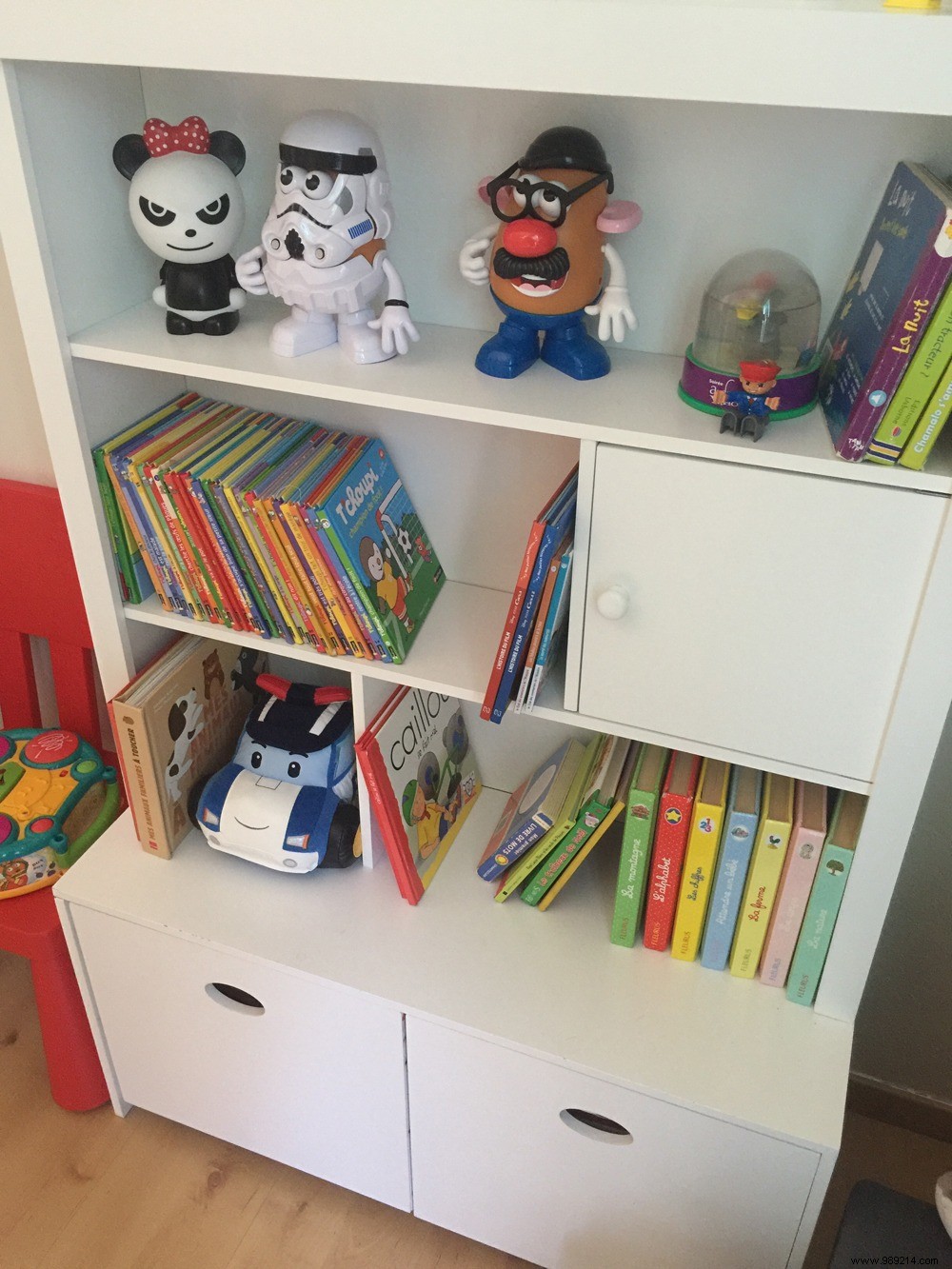
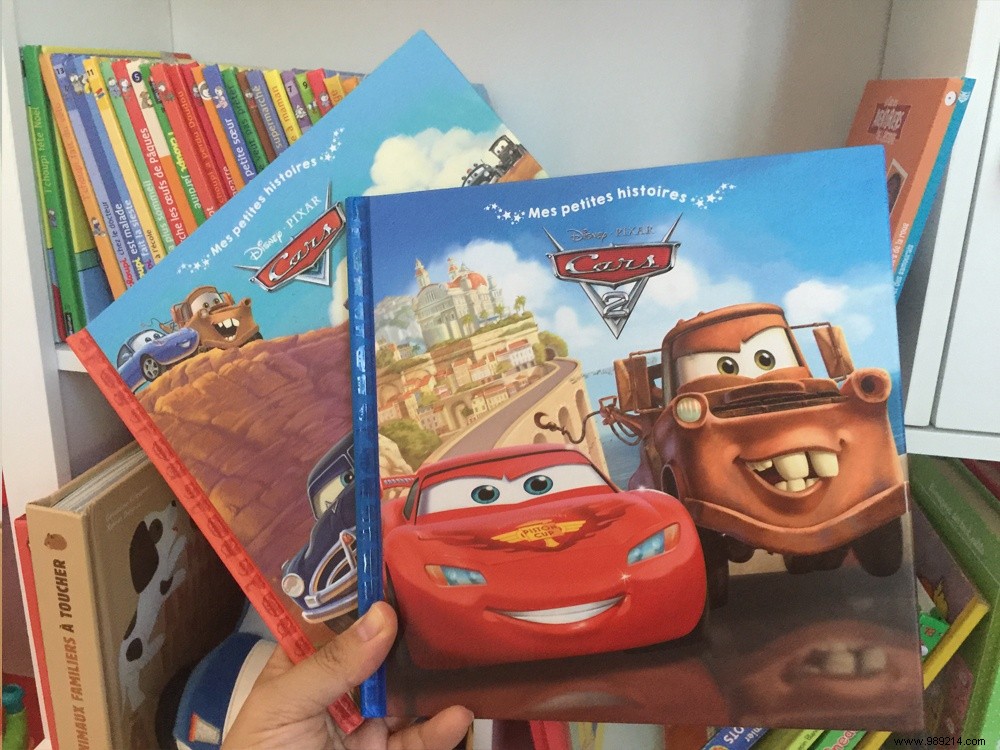
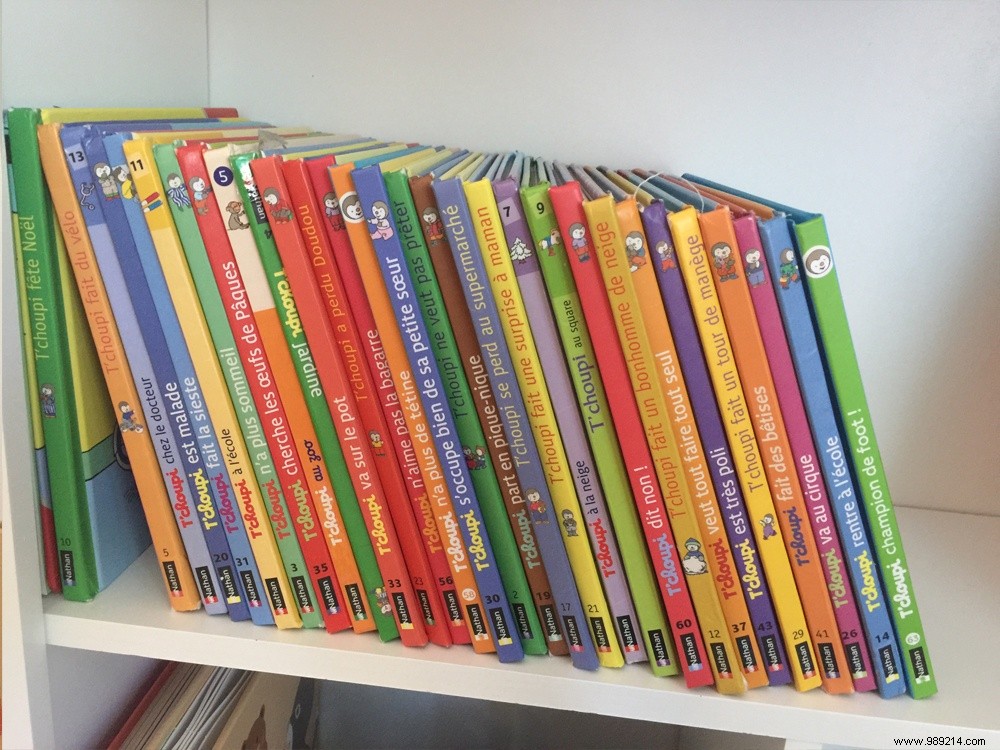
Contents 1 Reading promotes the development and imagination of the child 2 Reading allows a unique, individual and privileged moment of sharing 3 Reading promotes language and memory 4 Reading for toddlers: a springboard for tomorrow! 4.1 What are your children reading at the moment?Picture books or bedtime stories work wonders from the earliest ages. As a parent with two young libraries at home—one stocked with toddler favorites like Tchoupi and Cars—I’ve seen firsthand the magic of reading. Let’s dive into the benefits.
From infancy, stimulating a baby’s senses with colors, sounds, and rhymes lays the foundation for growth. Reading fits seamlessly into these rituals, sparking imagination in toddlers and older kids alike. Before bedtime, spend a few minutes sharing images or a short story in a calm, dimly lit room. Even at 4-6 months, this routine promotes relaxation and restful sleep while imprinting moments of closeness. Your child’s mind absorbs these experiences, fueling early skills like language and drawing.
Whether as a pre-nap ritual or quiet daytime activity, reading offers undivided attention. Pair it with a cuddle, and toddlers—regardless of age—engage through listening, pointing, or commenting. Involve them actively; even if words seem beyond them, their developing minds retain every bit. Don’t underestimate the lasting impact—our sessions have built confidence and connection over time.
By ages 2-3, toddlers start forming words, often understood only by parents. Reading guides this journey by introducing new sounds, vocabulary, and rhythms absent from daily chatter. Encourage repetition and ask them to retell stories in their own words to sharpen memory. A few pages can ignite curiosity and expand their expressive world.
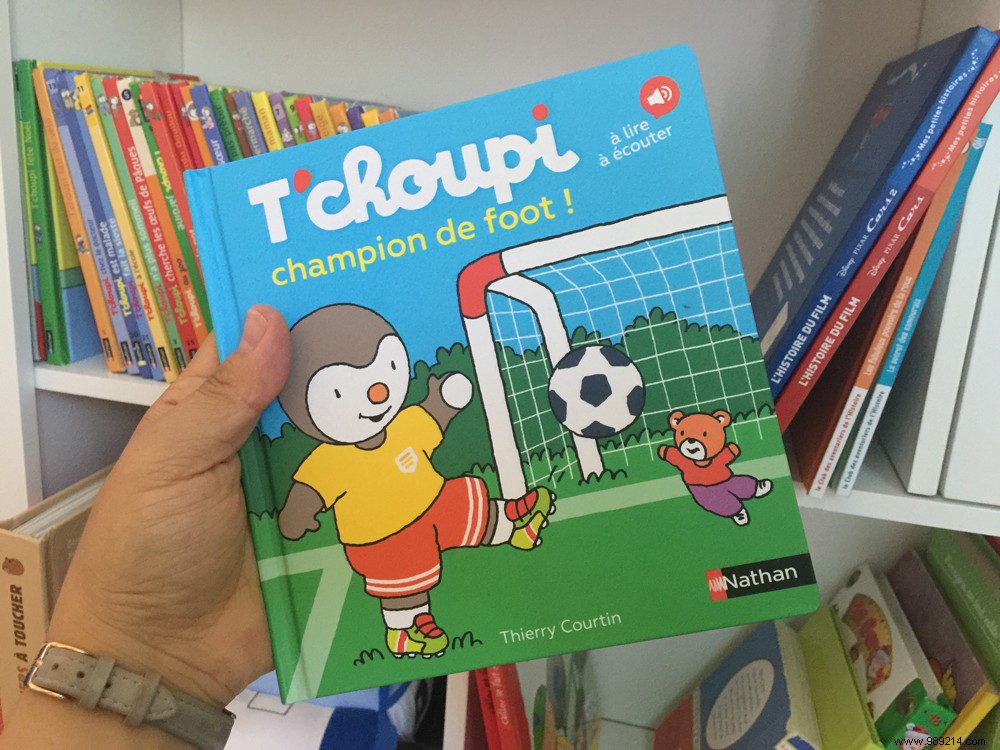
Our son fell in love with Tchoupi around 12 months and still requests stories nightly. His collection, including “Tchoupi Loves Football” (perfect timing with the World Cup), keeps the joy alive.
In a screen-saturated world, reading stands out as a healthy alternative. It calms toddlers after daycare, with soft cloth or board books teaching page-turning and exploration. As they grow, independent reading instills a love for stories, enriching imagination, memory, language, and culture—without screens’ risks.
****