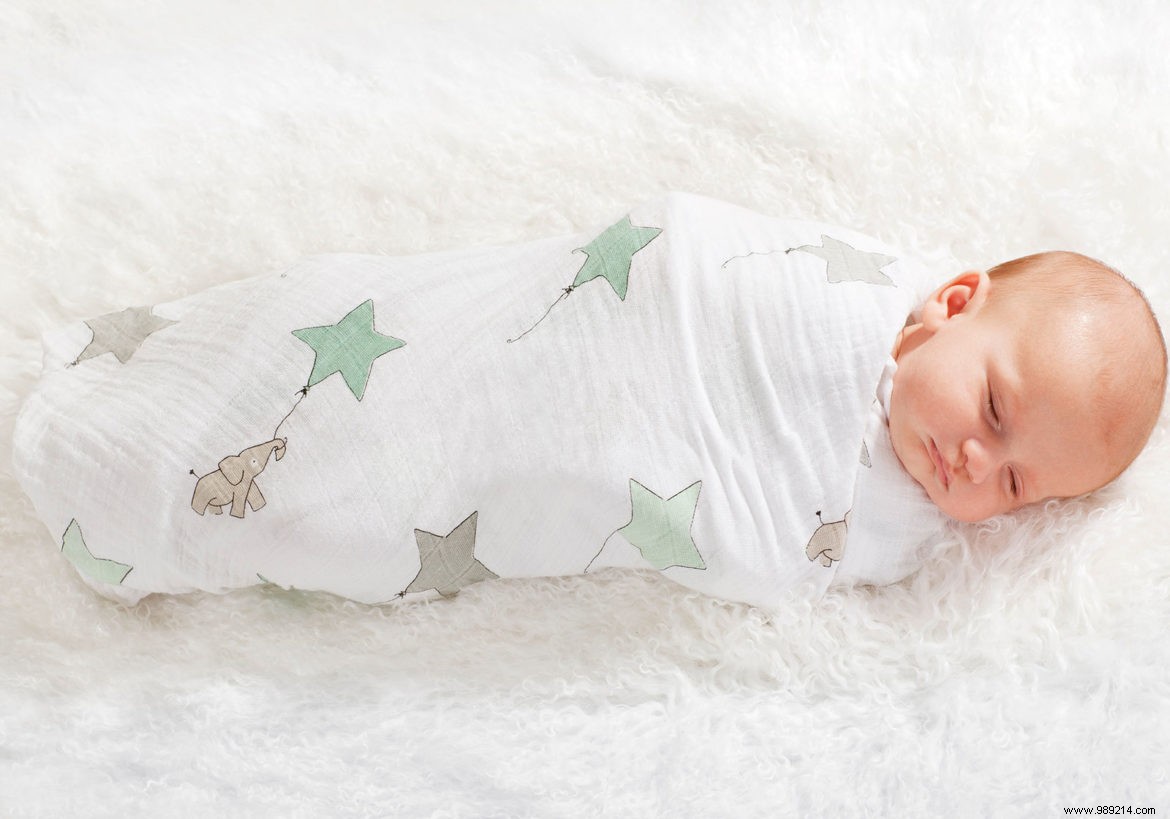
An age-old practice enjoying renewed popularity, swaddling prompts questions from new parents everywhere. Backed by traditions from antiquity, it has passionate supporters and critics alike. Prioritizing your baby's well-being means understanding its benefits, drawbacks, and risks based on pediatric insights.
ContentsWe break down this timeless technique, popular among many parents today despite ongoing debates. Here's what you need to know.
Swaddling involves gently wrapping your baby in a lightweight blanket or swaddle to restrict arm and leg movements during sleep. Far from restrictive, this method mimics the snug environment of the womb, helping newborns feel secure and calm. Pediatric experts note it reduces startling reflexes and Moro movements that can disrupt sleep, promoting faster, deeper rest. In the womb, every motion met the uterine walls—swaddling recreates that comforting boundary.
Something to consider for peaceful nights.
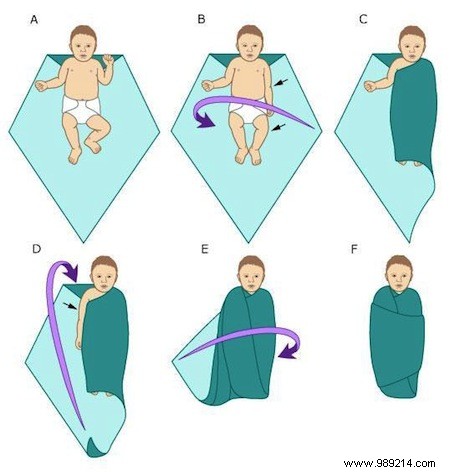
Swaddling recreates the cozy confinement of the womb, soothing babies during bedtime routines, especially at night. Trusted by generations and endorsed by child development specialists, it calms the nervous system.
It's also effective against colic, reducing cries and easing common infant discomforts as baby feels secure.
For parents, it minimizes worries about cold exposure—no more kicking out of sleeping bags.
Overheating is a primary concern, as swaddling adds warmth—keep the nursery at 19-20°C. Adjust clothing accordingly: a short-sleeved bodysuit suffices in summer.
Critics highlight suffocation risks if fabric shifts over the face, similar to loose blankets. However, using purpose-designed swaddle blankets minimizes this when folded correctly per instructions.
For safety, follow guidelines precisely and discontinue by 4-6 months, or sooner if baby rolls independently. The American Academy of Pediatrics supports swaddling with precautions like back sleeping and hip-healthy positions.
Start with naps to test suitability. Above all, prioritize your baby's comfort—nothing beats parental reassurance for serene sleep.