
Around eight months, babies often grapple with separation anxiety as they realize they are distinct from their parents. This is when many adopt a beloved comforter—a teddy bear, stuffed animal, soft blanket, or cozy fabric—to foster a sense of security. As experienced parents and child development experts know, this little companion becomes indispensable.
Contents 1 What does the comforter represent for your little one? 2 How to choose your baby's comforter? 3 Until what age does a baby need a comforter?A comforter is vital for a baby's healthy emotional growth and daily comfort. It offers reassurance and safety, evoking the familiar scent and presence of parents. This bridge connects the secure world of home to new environments like daycare or nursery, helping your baby navigate separations more confidently, build autonomy, and handle alone time, such as sleeping solo at night.
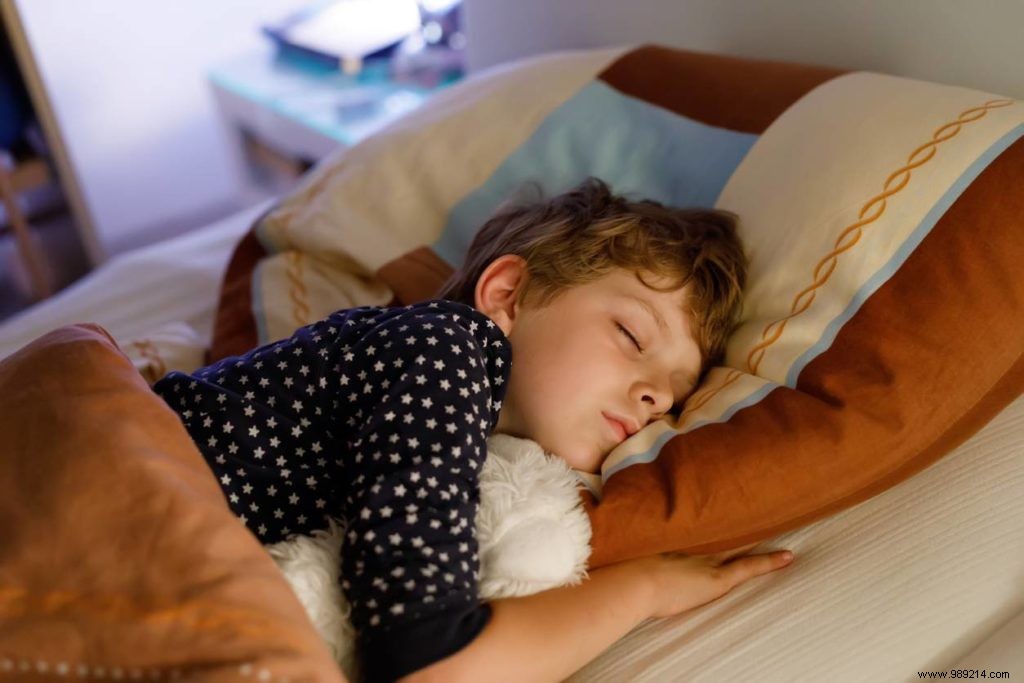
Babies typically select their own comforter—a flat blanket, plush cat, dog, or other favorite—based on instinct. Even if it's not your preference, honor your child's choice; forcing an alternative rarely works. For infants under one year, opt for flat designs to minimize suffocation risks, as recommended by pediatric guidelines.
Losing a comforter can devastate a child, so proactively buy two or three identical duplicates for backups against loss or washing. Regular laundering keeps it fresh, preventing over-reliance on a single scent. Note that not every child needs one—don't push it if they show no interest.
Children naturally outgrow their comforter when ready, often around 3 to 6 years, as they gain emotional confidence, express feelings better, or form friendships. This bond is profoundly important, so never confiscate it as punishment—it could erode trust. Respect their timeline for parting with this cherished friend.
